
The Volkswagen maintenance schedule already includes language written for drivers like you. Plenty of Las Cruces owners never read it.
Tucked inside the 2026 Volkswagen service literature you'll find a clause about "severe operation." Excessive dust and extreme heat both qualify, and the Chihuahuan Desert around Las Cruces clears that bar every single summer. The clause shortens specific intervals for filters, fluids, and drivetrain components. Not all of them. Not dramatically. But enough that skipping the fine print costs you real money and real reliability.
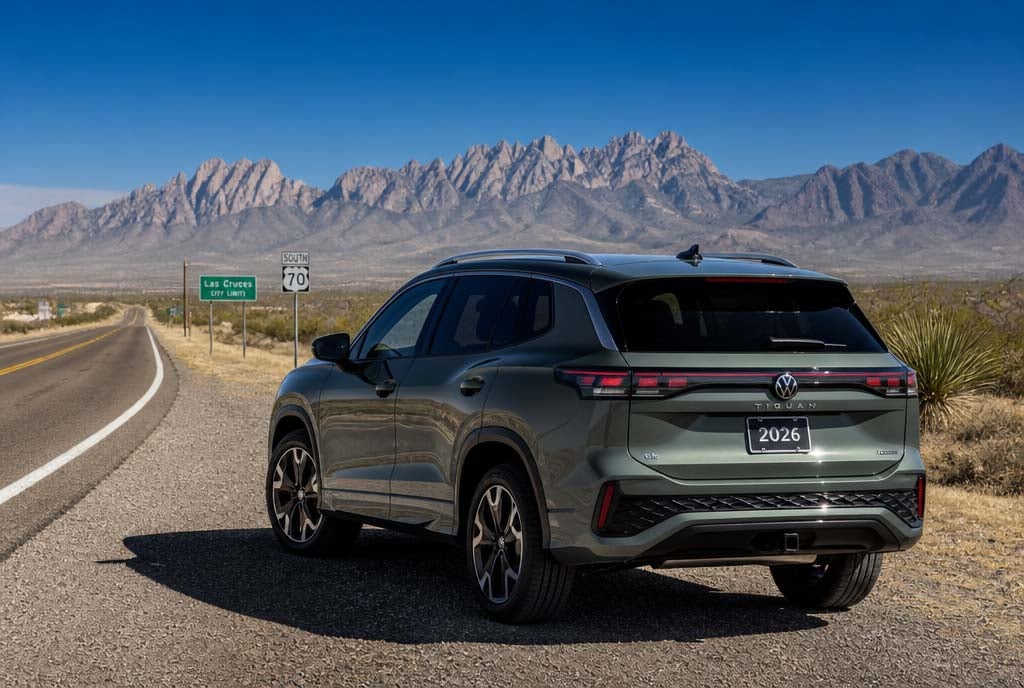
We drive these roads with our customers in mind. Below is what the schedule actually says, and what it means for the way you use your Tiguan on US-70 toward White Sands, on I-10 heading south to El Paso, or just running daily errands across Las Cruces in heat that still touches 90 degrees F.
Browse our 2026 Volkswagen Tiguan inventory
What Do the Volkswagen Service Intervals Actually Mean for Desert Drivers?
The standard Volkswagen schedule runs on a 10,000-mile or 12-month cadence (whichever comes first), covering oil and filter, brake inspection, and a multi-point safety check, and that baseline still stands in the desert. What changes is the fine print. The schedule spells out that severe conditions including excessive dust push certain items to earlier attention than you'd otherwise plan. Airflow components get dirty faster. Brake fluid absorbs moisture faster when temperature swings are wide, and coolant condition degrades under sustained heat load.
| Service Item | Standard Volkswagen Interval | Desert/Severe Condition Note |
|---|---|---|
| Engine oil and filter | Every 10,000 miles or 1 year | Check sooner if driving in excessive dust or sustained heat |
| Engine air filter | Every 15,000-30,000 miles | May need inspection or replacement before standard interval in high-dust conditions |
| Cabin air filter | Annually or per inspection | In dusty desert climates, annual replacement is often not enough |
| Brake fluid | First flush at 3 years, then every 2 years | Time-based regardless of mileage; desert heat cycling can accelerate moisture absorption |
| Spark plugs (Tiguan 2.0T) | Every 80,000 miles or 6 years | Interval unchanged, but carbon buildup on turbocharged engines accelerates with heat |
| DSG transmission fluid | Every 60,000 miles (severe), 80,000 miles (normal) | High-load or hot-climate driving qualifies as severe for this interval |
Sources: official 2026 Volkswagen maintenance schedule (Volkswagen Group of America); Tiguan-specific service documentation confirmed for the RM1 platform.
The DSG figure is the one worth a double take. Sixty thousand miles sounds distant when you're buying new, but if you're running the El Paso commute five days a week and the gearbox is working in triple-digit ambient temperatures, the clock runs faster than paper shows.
The Three Desert Realities That Change the Math
Las Cruces isn't just hot; it's a specific combination of heat, altitude, and alkaline dust that hits multiple vehicle systems at once, and that overlap is exactly what the Volkswagen severe-conditions language was built to address. Each of the three works on the Tiguan a little differently.
Fine alkaline dust is the quiet threat.
Check the engine air filter sooner than the calendar alone suggests. The Chihuahuan Desert produces exceptionally fine particulate (the kind that defeats a loose or partially clogged engine air filter before you notice reduced power). The official Volkswagen service note specifically flags excessive dust as a trigger for between-interval attention. Our team pulls cabin filters at the one-year mark and finds them noticeably loaded compared to what we'd see in a humid climate. A restricted cabin filter doesn't just affect air quality inside. It forces the HVAC blower to work harder, which puts additional load on the system that's already cooling your cabin against 95 degrees F ambient air.
Schedule a service appointment with our team
Heat cycles accelerate moisture in brake fluid.
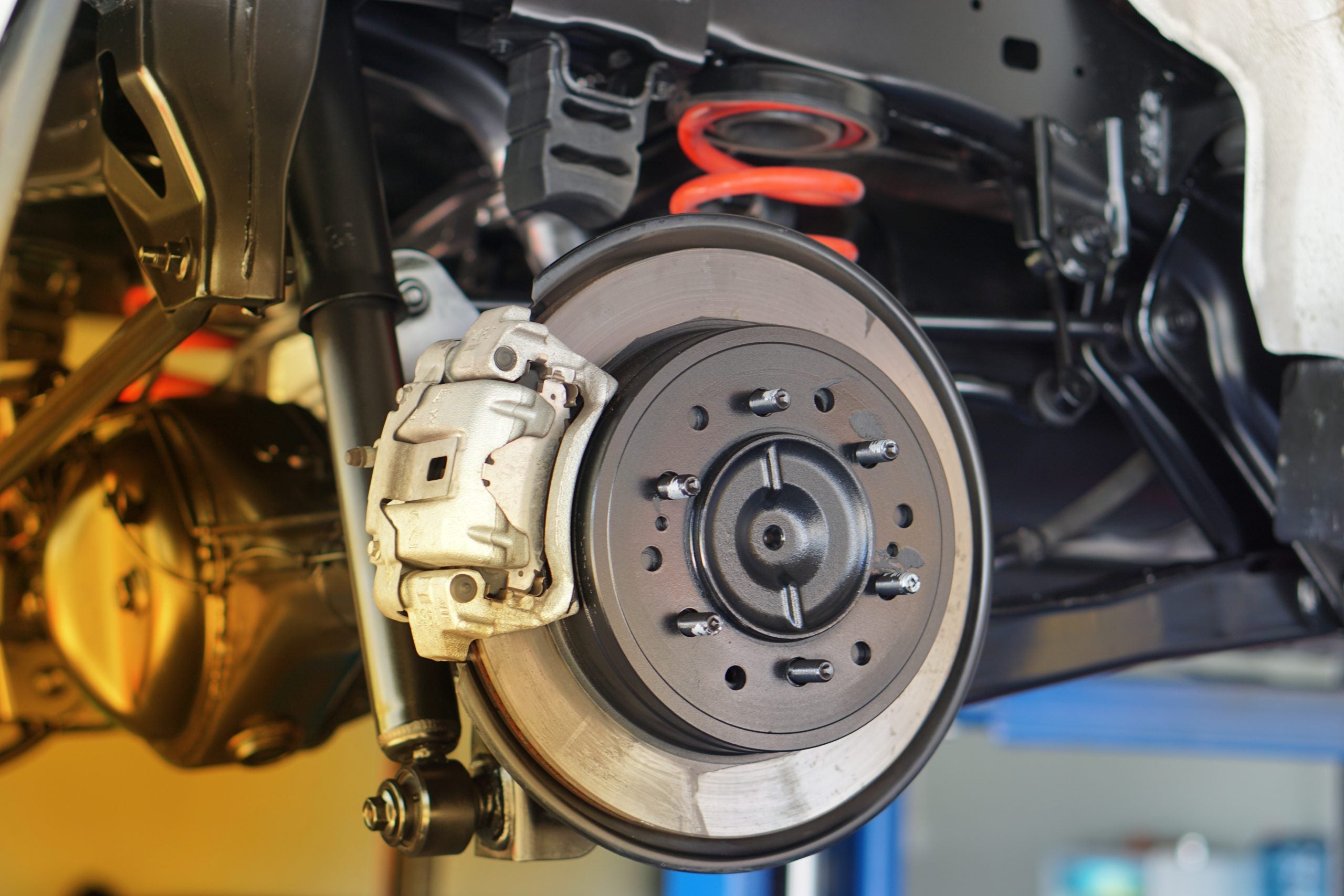
The brake fluid replacement schedule per Volkswagen runs on the calendar, not the odometer. First flush comes three years after registration, then every two years after that. That interval doesn't change in the desert, but the reason it matters does. Brake fluid is hygroscopic (it absorbs moisture from the air). Las Cruces temperature swings between 110 degrees F daytime and 60 degrees F overnight create condensation cycles inside brake lines. Old, moisture-laden fluid has a lower boiling point. For most daily driving that's a background concern. On a steep I-25 descent or a canyon road coming back from Organ Mountains-Desert Peaks National Monument, it's not background at all.
Turbocharged engines and desert heat need the right oil spec.
Every 2026 Volkswagen Tiguan runs a turbocharged engine. Volkswagen specifies SAE 0W-20 full synthetic meeting Volkswagen 508 00 specification. That spec isn't interchangeable. In sustained desert heat, the wrong oil viscosity means inadequate film protection at operating temperature, which the turbocharger notices first. Carbon buildup on turbocharged Volkswagen engines is a documented pattern. Heat accelerates it, and short low-speed trips in hot conditions make it worse.
See our Volkswagen Jetta lineup for the commuter in your family
Who This Maintenance Approach Actually Fits
Staying on the OEM schedule isn't the same as over-servicing, and that distinction matters for any owner worried we're padding the ticket, because the honest reading is that the desert clause simply moves a few intervals earlier rather than inventing new ones. We're not suggesting you double every interval. We're saying the Volkswagen schedule has a desert clause, Las Cruces trips that clause, and ignoring it is the only thing that counts as skipping maintenance.
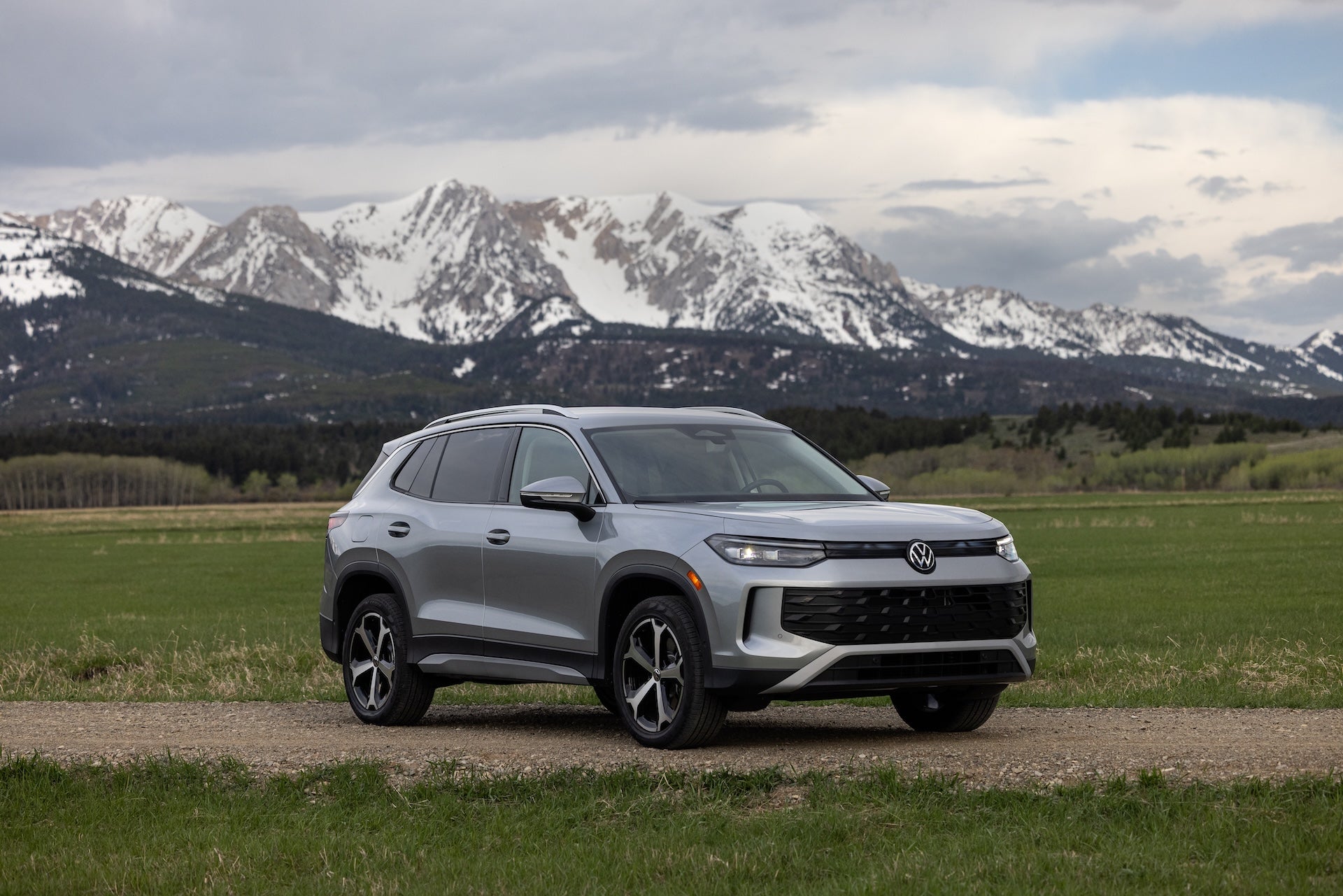
The Tiguan is a composed, well-engineered crossover, and it handles Las Cruces driving well. I-10 runs south from Las Cruces to El Paso. It's comfortable on that long run, capable enough for the dirt pullouts east of the city, and refined enough that university families at NMSU find it a notch above the generic compact SUV options. The tradeoff you accept is that its turbocharged 2.0T engine and DSG transmission are more specification-sensitive than a naturally aspirated engine paired with a conventional automatic. They reward owners who follow the right fluids and intervals. They're less forgiving of the "I'll do it next month" drift.
None of that is a knock. It's a design tradeoff in favor of driving feel and efficiency that Volkswagen engineers made deliberately. Our job is making sure you get the benefit of it across the full ownership arc in this climate.
Explore the Volkswagen Taos for a lighter footprint in the desert
Frequently Asked Questions
Does the desert count as "severe" driving conditions for my Volkswagen?
Yes. The official 2026 Volkswagen maintenance schedule explicitly names excessive dust and extreme temperatures as examples of severe conditions that warrant between-interval attention for engine oil and air filter elements. The Chihuahuan Desert environment around Las Cruces (with fine alkaline particulate, summer highs approaching 100 degrees F, and wide day-to-night temperature swings) meets that threshold. It doesn't mean every interval changes, but it does mean air and oil filtration deserve earlier inspection than standard-conditions guidance suggests.
How often should I replace the cabin air filter on my Volkswagen in Las Cruces?
The standard recommendation is annually or per inspection. In Las Cruces conditions (high dust loading from desert particulate combined with heavy A/C use across a long summer) annual replacement is often the right cadence, and in some cases you'll want a mid-year inspection if you notice reduced airflow from your vents or unusual odors when the HVAC runs. A restricted cabin filter puts extra load on the blower motor and reduces the cooling efficiency you need most in a desert climate.