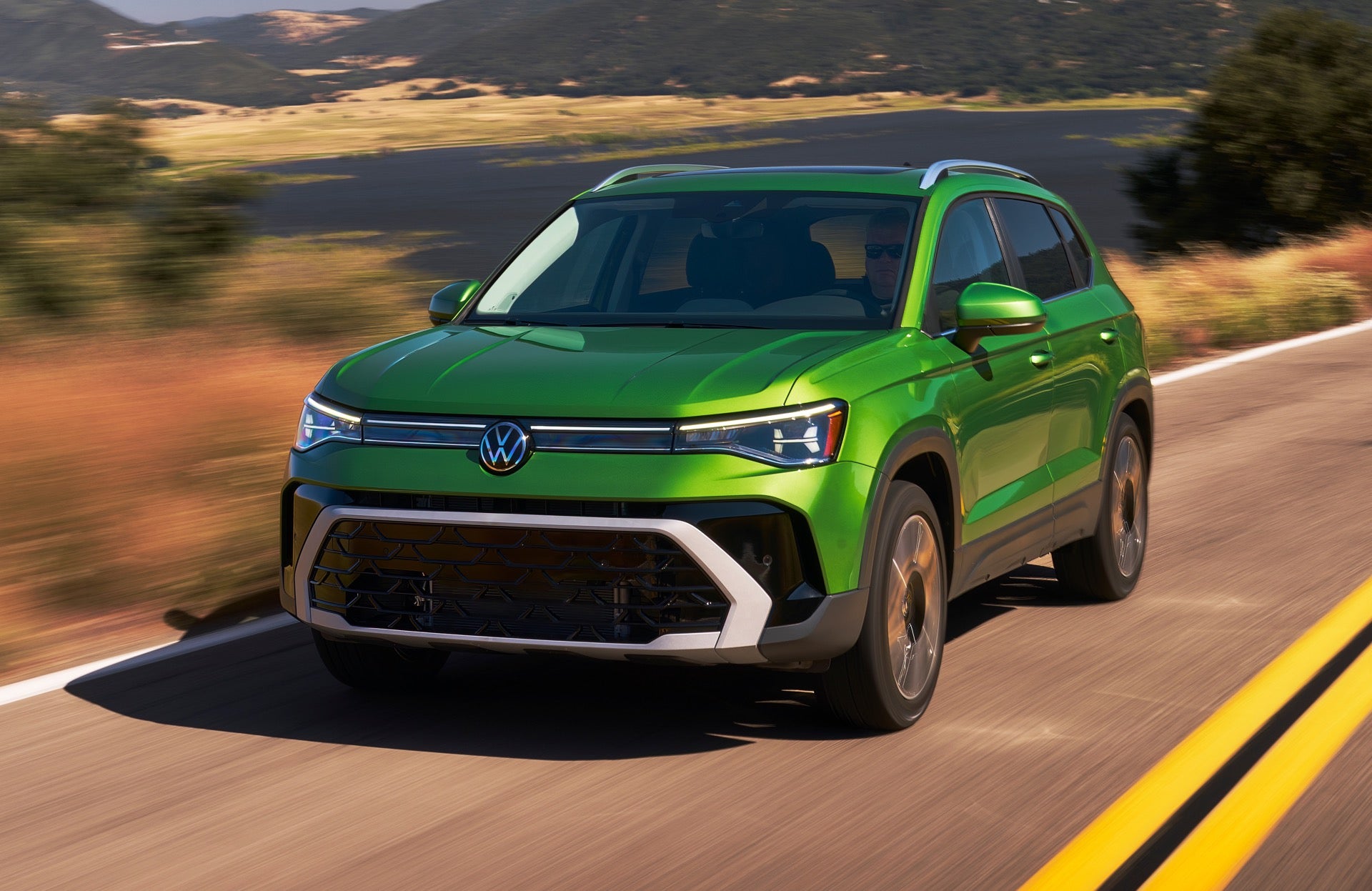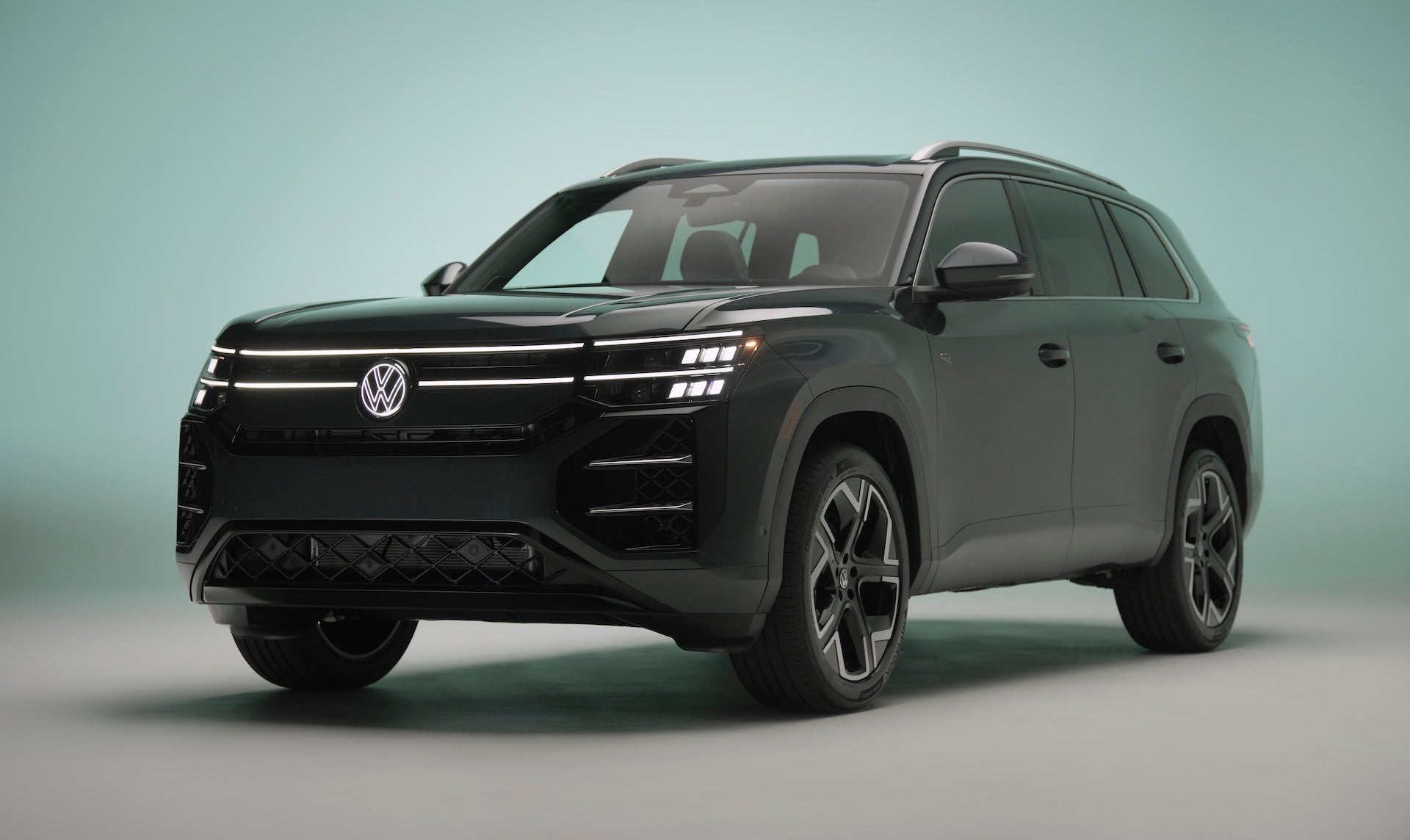

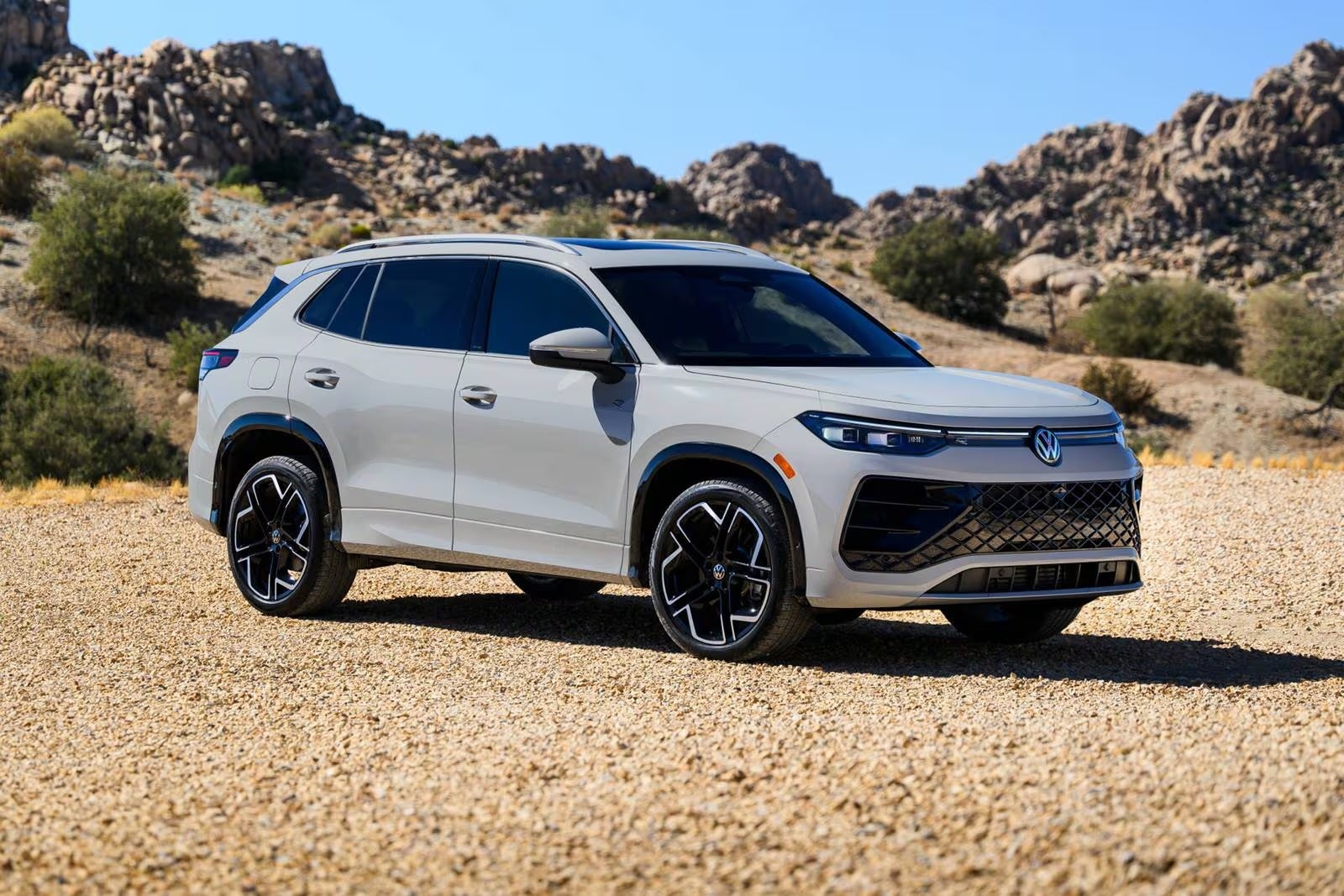
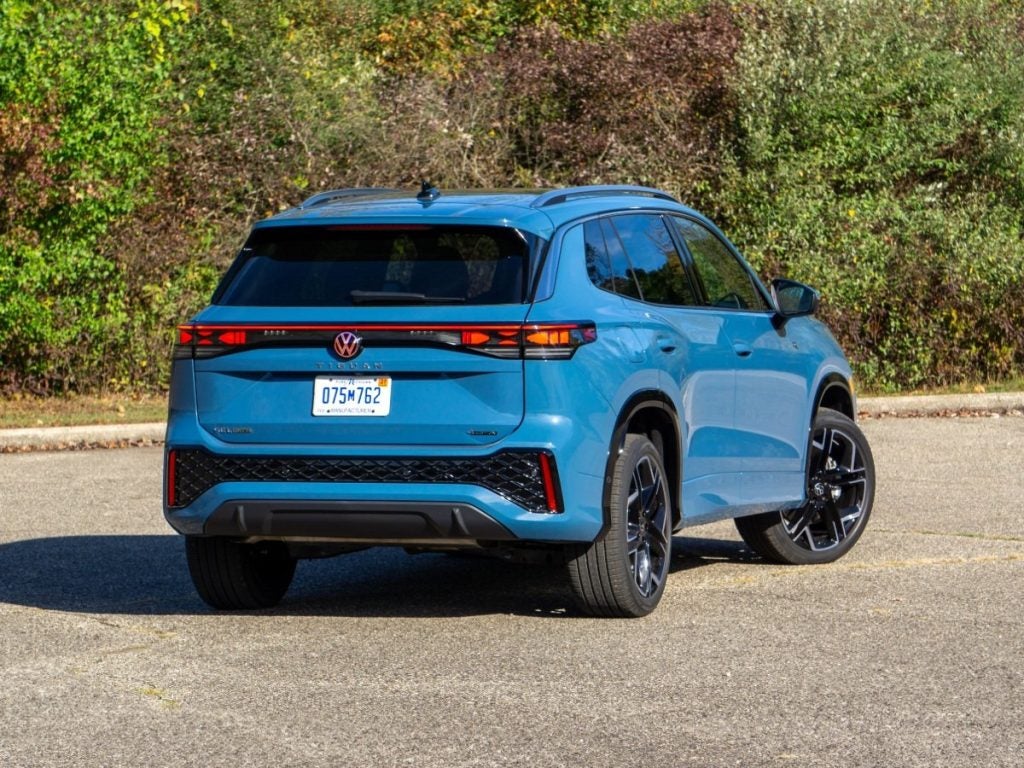
The Tiguan experienced a significant redesign for the 2026 model year. How does it compare to its current competition? AutoBlog noted that the Volkswagen Tiguan is close in size to the Outback and decided to compare the two. In this blog, Sisbarro Volkswagen tells you what they found.
Notably, the 2026 Outback starts at $34,995, making its entry price significantly higher than the Tiguan’s $30,805. Meeting the Outback’s price and factoring in the model’s standard AWD, a comparable Tiguan would be the SE 4Motion at $35,105, just $110 above the base Outback.
Though larger than the previous model, the Outback remains powered by a normally aspirated 2.5-liter horizontally opposed 4-cylinder engine producing 180 horsepower and 178 lb-ft of torque at 4800 rpm. This falls well short of the Tiguan’s turbocharged 2.0-liter engine, which produces 201 horsepower and 221 lb-ft of torque, peaking at a low 1,500 rpm. The Outback engine is paired with a continuously variable transmission that features eight virtual gear ratios for manual shifting, while the Tiguan offers the real thing with an 8-speed automatic transmission with sequential shifting capability. With a price increase of about $9,000, the Outback offers a 260-hp turbocharged version of its 2.5-liter engine.
Both models feature 4-wheel independent suspensions. While the Outback has a higher ground clearance (8.7 vs. 7.0 inches), the Tiguan matches its 18.0° approach angle and bests its departure angle (25.2° vs. 21.4°) and breakover angle (21.1° vs. 19.4 °).
Still, the Outback, particularly the raised Wilderness off-road-focused model, is better suited to off-road use, while the Tiguan is more focused on on-road comfort.
The Outback is seven inches longer (15’4” vs. 15’11”), while the Tiguan is two inches wider (7’ vs. 6’10”). The base Outback is an inch taller. Inside, front shoulder room, rear legroom, and front and rear headroom are all within an inch of each other. Cargo space behind the seats is also similar, with the Outback having a slight edge at 34.6 cubic feet compared to 33.8 for the Tiguan.
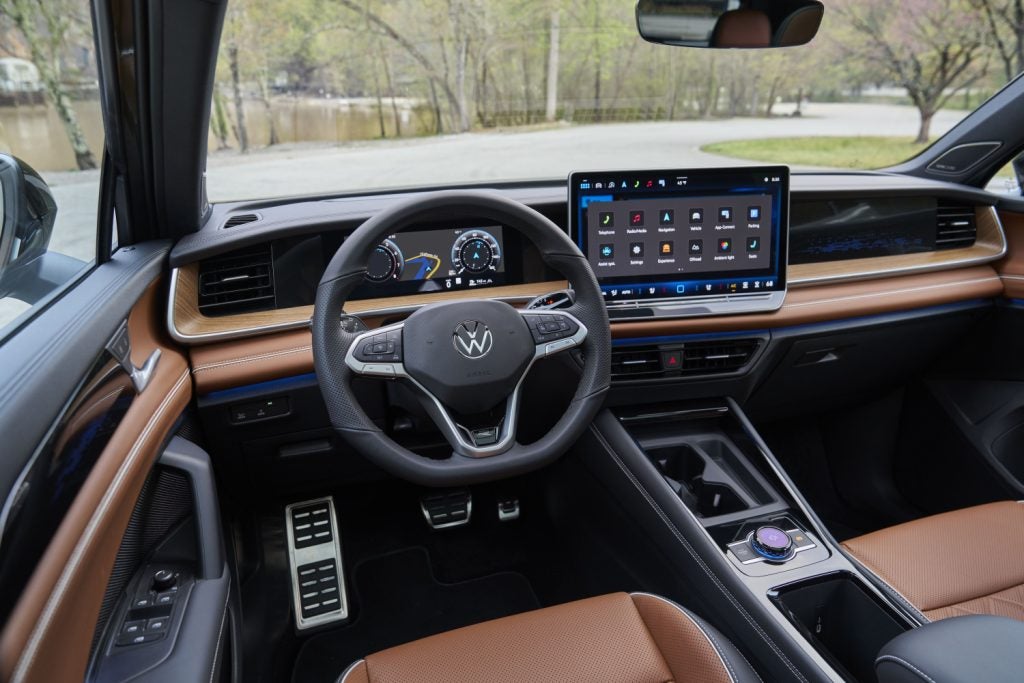
AutoBlog notes that the Tiguan has a more premium interior feel. While the new Outback features a new infotainment system with a 12.1-inch touchscreen and a 12.3-inch digital cluster, the Tiguan provides a standard 12.9-inch screen, with a 15-inch screen available on the SEL R-Line. They point out that the available 10-point massaging front seats have no counterpart in the Outback model line.
For long-distance highway driving, the Tiguan comes standard with adaptive cruise control and lane-keep assist. It isn’t standard, but the Touring and Touring XT Outback models feature Hands-free Assist, which lets you remove your hands from the steering wheel at speeds up to 85 mph, though the driver is expected to keep their eyes on the road.
In their conclusion, AutoBlog notes that the Tiguan offers a better on-road experience and advanced tech, while they also recognize the Outback’s superior off-road ability. That gives the Tiguan an edge in how most people drive their crossover models. For anyone in the greater Las Cruces area who usually drives on pavement, Sisbarro Volkswagen invites you to come by and test drive the handsome 2026 Tiguan.