

If you are in the habit of maintaining your car, you are already familiar with the need to check and change your oil, rotate your tires, change wipers and washer fluid, and so on. Two items that may slip your mind, mostly because you don’t have to do them as often, are an engine tune-up and flushing out your coolant. Sisbarro Volkswagen explains why and when these tasks need to be done. Both of these items only need to be done approximately every 30,000 miles, so they might not be at the forefront of your mind.
Engine Tune-Up
Engine tune-ups are now much simpler than they used to be. Decades ago, when most cars had carburetors and many Volkswagens were air-cooled, tune-ups involved adjusting carburetors, replacing points and condensers, and setting valve lift and engine timing. The advent of electronic systems, sensors, and the replacement of many parts, such as switching from carburetors to fuel injection, has made many of these tasks unnecessary. What remains is much easier and less labor-intensive.
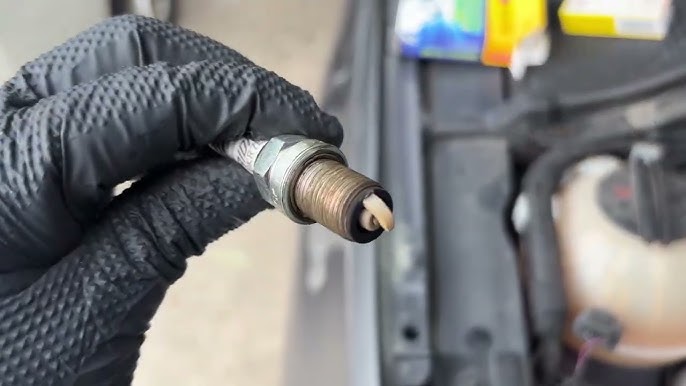
Today’s tune-up mainly involves replacing the spark plugs. They will probably last beyond 30,000 miles, but it’s a good idea to replace them at this point because a single fouling plug can severely affect engine performance, especially in four-cylinder engines. It’s also a good time to change the air and fuel filters to ensure proper airflow and fuel delivery. At Sisbarro, we’ll run an on-board diagnostic check to find any trouble codes that might not have triggered warning lights. While we’re at it, we’ll also inspect and top off your remaining fluids for the brakes, transmission, and engine coolant, except that…
Signs Your Engine Needs a Tune-up
As mentioned, a tune-up is generally recommended every 30,000 miles, but it may be needed earlier if your vehicle shows the following symptoms:
- Reduced Gas Mileage: May indicate the engine is working harder than normal
- Poor Idle or Stalling: Idle is rough, uneven, or the engine stalls instead of idling
- Sluggish Performance: Slow and possible hesitation during acceleration.
- Warning Lights: Check Engine Light illuminates your gauge cluster outside of the start-up sequence

Coolant Flushing
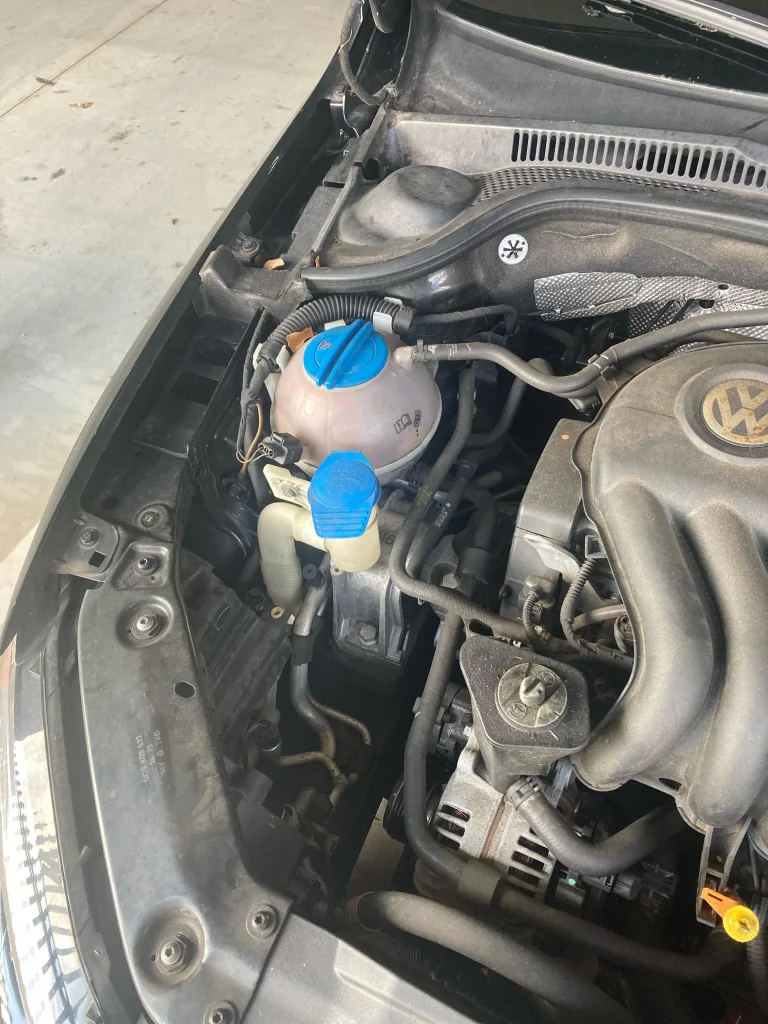
It is no secret that internal combustion engines generate significant heat. This heat would damage nearly all components if it were not for the cooling system. The coolant flows through different parts of the engine, absorbing heat until it reaches the radiator, where the heat disperses through tubes cooled by airflow around them and the metal fin labyrinth attached to them.
Ironically, the coolant is often called antifreeze because it has a much higher freezing point than water, allowing the engine to operate in freezing weather. It is also less corrosive than water. This is important because, over time, the coolant picks up rust particles, scale, and debris, especially later in its life when its anti-corrosive properties start to degrade.
As the name suggests, a coolant flush is more involved than simply draining and replacing the coolant as in an oil change. Draining the coolant does not remove the buildup of particulate matter that forms on various parts of the cooling system. Therefore, the system must be flushed with high-pressure fluid before adding new coolant.
Signs Your Engine Needs a Coolant Flush
Like the engine tune-up at 30,000 miles, this is a point just before the expected need for a coolant flush. But the need could come earlier if your engine exhibits the following:
- Dashboard Warning Lights: Modern VW models have sensors that monitor engine temperature and system health. If triggered, the Coolant Warning Light will appear on the gauge cluster outside of the start-up sequence.
- Vehicle Overheating: If your temperature gauge often reads high, it may be due to degraded coolant that can’t transfer heat effectively.
- Unusual Smells or Steam: Noticing a sweet, syrup-like odor or steam from your engine indicates coolant leaks or boiling over. Shut off the engine and have a technician check for leaks, damage, or fluid degradation, which may require a flush.
- Rusty or Discolored Coolant: Coolant should be clean and brightly colored, such as green, orange, or pink, depending on the formula. Murky, brown, or sludgy fluid indicates rust, scale, or old additives, signaling that it is well past time to flush and replace it.

It goes without saying, but we’ll say it anyway: the Sisbarro Volkswagen Service Center is fully equipped to perform these services when needed or accurately diagnose your Volkswagen or other models if any of the symptoms mentioned above occur. Also, as the mileage milestones approach, keep an eye out for our Service Center Specials that could save you money on upcoming maintenance.
Connect with us


- May 2026
- April 2026
- March 2026
- February 2026
- January 2026
- December 2025
- October 2025
- September 2025
- April 2025
- February 2025
- November 2024
- September 2024
- August 2024
- July 2024
- June 2024
- May 2024
- April 2024
- March 2024
- February 2024
- January 2024
- December 2023
- November 2023
- October 2023
- September 2023
- August 2023
- July 2023
- June 2023
- May 2023