
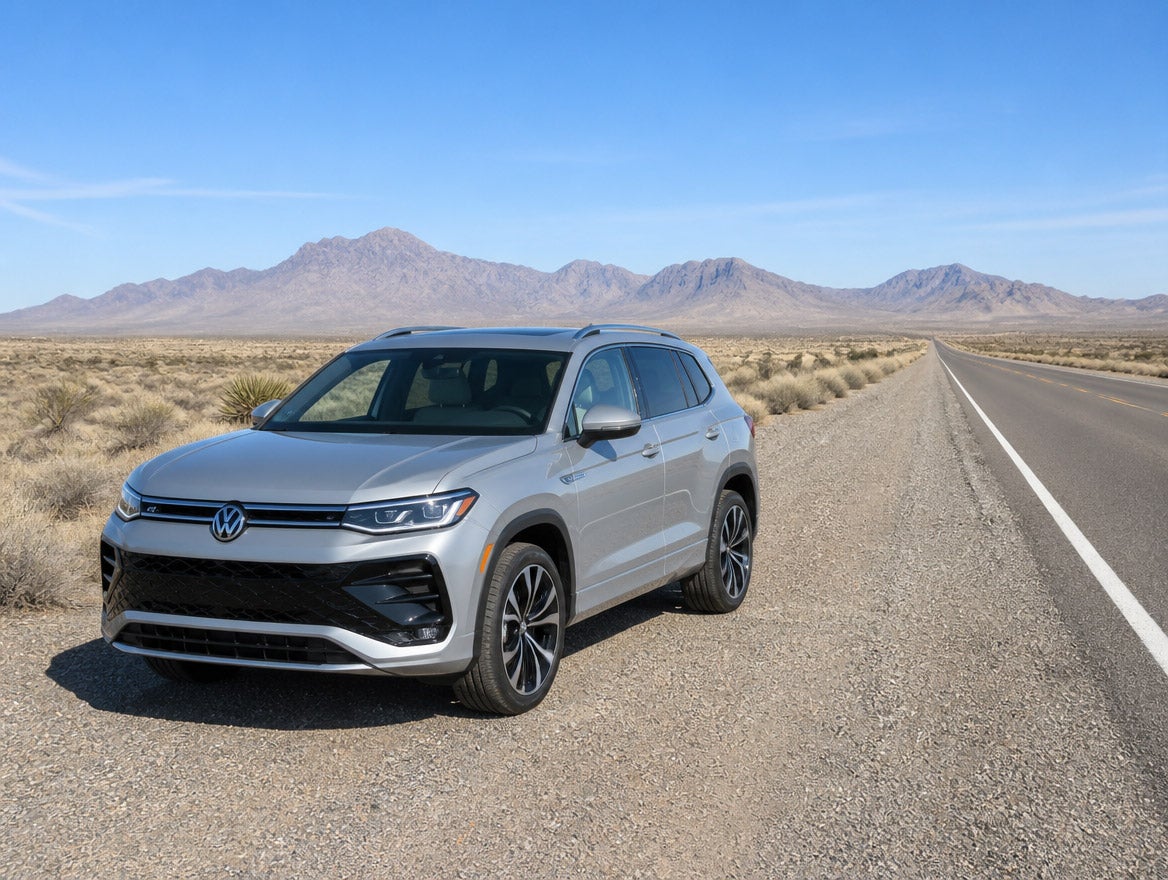
That 60-mile run looks simple on the map. The road is signed, it's a freeway, and you've probably driven it a dozen times without a second thought. The honest version reads a little differently. U.S. 180 concurrent with I-10 between Las Cruces and Deming crosses open Chihuahuan Desert with long service gaps, documented dust-storm closures that can drop visibility to near zero, and monsoon flash flooding in late summer that hits without much warning. Keep the right gear in your Volkswagen Tiguan, or whichever Volkswagen you're running, and you've handled the realistic worst-case before it happens.
What Goes on the Checklist?
Every item below earns its place for this specific corridor, listed in priority order, and none of it is exotic gear you'll struggle to find. Check the kit every six months per the National Safety Council's guidance, and refresh anything you pull out right after a trip so the bag is ready for the next run.
- Water (at least one gallon per person). The Chihuahuan Desert at roughly 3,900 feet of elevation is dry enough in August that dehydration becomes a real risk if you're stuck roadside for even an hour in midday sun. Pack sealed jugs, not bottles that have been baking in the cargo area for weeks.
- Jumper cables or a lithium jump starter. Dead batteries rank among the most common roadside problems. A compact lithium jump starter tucks behind the rear seat and works without a second vehicle.
- Tire repair kit + portable inflator. The 2026 Tiguan comes with all-season tires as standard equipment. A quality portable inflator and a can of tire sealant handle slow leaks and minor punctures fast enough to get you to Deming or back to Las Cruces.
- First aid kit. Keep one stocked with sterile gauze, bandages, antiseptic wipes, medical tape, and tweezers. The Red Cross recommends supplies sufficient for at least the people in your vehicle.
- Flashlight with spare batteries (or hand-crank). If a breakdown lands after dark on this stretch, you need to be visible before you need anything else.
- Reflective warning triangles or flares. Three is the standard recommendation. During a dust-storm closure, they're how other drivers know you're there before they can see you.
- Reflective safety vest. Step out of the vehicle on the shoulder in a blowing-dust event and you'll want it on. Make wearing it a habit.
- Rain poncho. Monsoon season in southern New Mexico, roughly July through mid-September, brings fast, heavy downpours. If you climb out to inspect a tire during one, you'll be glad it's there.
- Windshield sunshade. A parked car on open desert asphalt in August gets dangerously hot inside. The sunshade buys you time and keeps interior surfaces touchable if you have to wait for a tow.
- Charged battery pack (phone charger). Cell service on the I-10/U.S. 180 corridor thins noticeably in the high-desert sections between exits. A fully charged power bank means your phone's ready to make the call the moment you finally catch a bar.
- Paper map or downloaded offline map. Phones don't find service on demand out here. Know your exits before you leave.
- Non-perishable snacks. A granola bar isn't glamorous. It earns its keep when you're waiting with kids.
Schedule a Pre-Trip Vehicle Check
Why These Items Matter on This Particular Run
Scheduling routine service before a regular U.S. 180 run pays off in a way it never does on a quick errand across town, because this corridor asks more of your Volkswagen than the map lets on. The gear matters for three concrete reasons, and each one shows up on this stretch in a way you can plan around.
The dust closures are documented and serious. In March 2025, the New Mexico Department of Transportation closed both directions of I-10 from milepost 132 in Las Cruces to milepost 81 near Deming because of blowing dust and severely reduced visibility. That covers nearly the full stretch. Get caught in it without water, warning triangles, and a sunshade, and what felt like a nuisance turns uncomfortable in a hurry and potentially unsafe. Reflective triangles placed behind your vehicle and a vest on your body are the practical answers.
Monsoon flooding changes the calculus in late summer. The NWS classifies our region's monsoon season as running from approximately mid-June through mid-September. In July 2025, flooding hit communities along the I-10 corridor south of Las Cruces hard, with NMDOT reporting standing water on the roadway. Ready.gov is direct on this. Six inches of water can cause a vehicle to lose control. Don't drive through a flooded section of roadway. If water is moving across the road ahead of you, stop and wait it out.
Services thin out fast west of the metro. Once you're past the Las Cruces exits and into the high desert toward Deming, you're committed. No gas station waits at every exit, no cell signal at every mile marker. You're on your own. Topping off your fuel before you leave town is practical, not paranoid. The EPA rates the front-wheel-drive 2026 Tiguan at 34 miles per gallon on the highway, which means a full tank takes you well beyond Deming in either direction, but you still want to start full.
Item / Why It Matters on U.S. 180
| Item | Why It Matters on This Corridor |
|---|---|
| Water (1 gal/person min.) | Chihuahuan Desert heat + potential wait during closures |
| Jump starter | Dead batteries are the top breakdown cause; no help nearby |
| Tire inflator + sealant | Long service gaps mean you may need to self-rescue |
| First aid kit | Response time is longer out here than in town |
| Reflective triangles | Dust-storm zero-visibility requires you to mark your position |
| Reflective vest | Stepping out on a desert shoulder in any low-visibility event |
| Rain poncho | Monsoon downpours arrive fast and soak you before you react |
| Windshield sunshade | Interior temps spike quickly parked on open asphalt |
| Phone power bank | Cell service is spotty in high-desert sections |
| Offline map | Have the route downloaded before you lose signal |
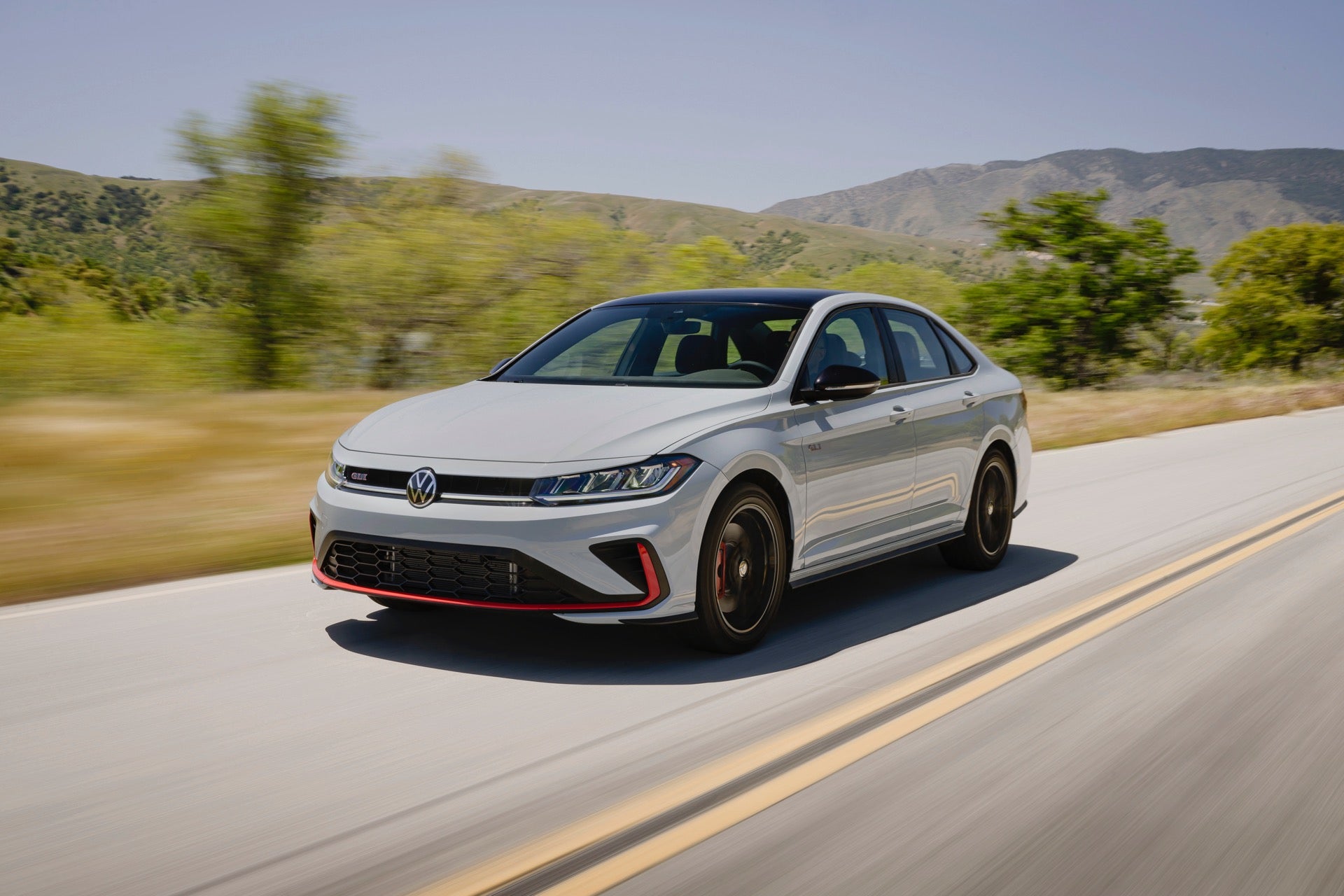
Atlas owners and Jetta drivers, the kit contents stay the same regardless of which Volkswagen you're running. The Atlas gives you more rear cargo space to lay everything out flat. Smaller sedans do better with a compact, organized bag that won't slide around.
The Print-and-Go Recap
Browse our current Volkswagen inventory if a more capable setup is on your mind for these runs, but for the vehicle sitting in your driveway right now, use the version below that you can screenshot or print before your next trip west.
Before you leave Las Cruces:
- Fuel tank full.
- Tire pressure checked (including the spare or repair kit).
- Phone fully charged, power bank charged.
- Offline map of the corridor downloaded.
- Water confirmed in the cargo area.
- Check NMDOT road conditions for I-10/U.S. 180 (high-wind and dust advisories post quickly during spring and monsoon season).
In the cargo area at all times:
- Compact first aid kit.
- Reflective warning triangles (three recommended).
- Reflective safety vest.
- Tire inflator and sealant.
- Jumper cables or lithium jump starter.
- Flashlight with spare batteries.
- Water (sealed jugs, rotated out often).
- Windshield sunshade.
- Rain poncho.
- Phone power bank.
- Non-perishable snacks.
None of it is exotic, none of it expensive. The kit is what makes a 60-mile desert freeway run feel like what it should be: routine.
By the Sisbarro Volkswagen Team | August 2026
Frequently Asked Questions
Is U.S. 180 between Las Cruces and Deming a separate road from I-10?
Not in the practical sense. On this segment, U.S. Route 180 is concurrent with Interstate 10, meaning they share the same pavement. The U.S. 180 designation branches off separately in Deming toward Silver City to the northwest. Between Las Cruces and Deming, you're on the interstate. We flag the U.S. 180 name because locals and regulars still use it, and it's accurate for that leg, though the driving surface and conditions are all I-10.
How often should we refresh the emergency kit in our Volkswagen?
The National Safety Council recommends checking your emergency kit every six months. We'd add a practical layer for this corridor. Check water before every trip, since sealed containers that've sat in a hot trunk for weeks aren't reliable hydration, and replace anything you used right away rather than waiting for the biannual check. A quick look before any trip longer than a local errand costs you two minutes and earns you real peace of mind.