
Blog / Informative

Blog

All Informative Las Cruces Volkswagen Dealer Volkswagen New Cars News New Inventory Technology Las Cruces Volkswagen Service Awards and Recognition Features Volkswagen Golf GTI Las Cruces Used Cars Golf R Volkswagen Jetta Comparison Finance Safety Specs Volkswagen Atlas Events Pre-Owned Inventory Volkswagen Jetta GLI Volkswagen Taos Volkswagen Tiguan Sisbarro Autoworld Volkswagen Service Volkswagen Atlas CrossSport Volkswagen ID.Buzz Electric Vehicle Review Sedan Service Towing Volkswagen ID.4 SUV Volkswagen Jetta Sport
Sisbarro supports the Southern New Mexico State Fair

Sisbarro Volkswagen Proudly Supports the 60th Southern New Mexico State Fair

Southern New Mexico State Fair 2026: Sisbarro Volkswagen Proudly Supports Las Cruces' 60th Annual Fair Some traditions in Doña Ana County don't need an invitation. When October gets close, families from Las Cruces, Mesilla, Anthony and El Paso start clearing a day on the calendar for the fair. This year is a milestone. The 60th Annual Southern New Mexico State Fair & Rodeo runs September 30 through October 4, 2026, and Sisbarro Volkswagen is proud to help make it happen. We're sponsoring alongside our sister stores: Sisbarro GMC, Sisbarro Chrysler Dodge Jeep Ram and the Sisbarro Truck Store. Below you'll find how to pick your best fair day, and how to make sure your ride is ready for the drive out I-10. Which Fair-Goer Are You? Finding Your Best Day at the Southern New Mexico State Fair Think of fair week like a five-course menu. Nobody eats every course. You pick the ones you came for and plan around them. Here's how most families we talk to naturally sort themselves out: The Barn Family. You have a kid showing an animal, or you just love the livestock barns. Shows start early: swine and market rabbits kick off at 8 a.m. on Wednesday, and the Junior Livestock Sale is Friday evening. The Rodeo Crowd. The Ranch Rodeo takes over Thursday night. The PRCA Rodeo follows Friday and Saturday at 7 p.m. and Sunday at 1 p.m., all at the Pete Domenici Rodeo Arena. The Concert Crowd. The Electric Company Concert Pavilion hosts Wade Bowen on Thursday, Oct. 1, Tyce Delk on Friday, Oct. 2, and Restless Road on Saturday, Oct. 3. The Car People. A Model A vintage car display fills the 4-H Building Saturday morning. Sunday brings an all-day car show at The Electric Company Pavilion. The Sisbarro Day Crowd. Wednesday, September 30 is Sisbarro Day. According to the fair's official schedule, admission is discounted all day, and the evening wraps with the opening ceremony and the carnival lights coming on. The takeaway: pick your day around your "must-see," then build the rest of the visit around it. You'll leave happier and less worn out. Southern New Mexico State Fair Trip Planner: Matching Your Plans to Your Ride A fair day in Southern New Mexico is really a road trip, a long day outdoors and a late drive home rolled into one. Your vehicle is part of the plan. Situation Cause / Reason Recommended Action Driving out daily for 4-H or FFA shows Early barn times and repeat trips on I-10 add up fast Check tires and brakes before the week starts. For heavy hauling, our Sisbarro GMC and Truck Store neighbors can help. Bringing the whole family for the carnival and the rodeo Strollers, coolers, jackets for the cooler night air and tired kids Consider three-row space like the Atlas or the ID. Buzz, and test drive one with your real gear in mind. Coming up from El Paso or Anthony for a concert A longer highway drive and a late return in the dark Book a quick pre-trip visit covering lights, wipers, fluids and tires. Showing off your car at Sunday's car show Desert dust and strong sun are hard on paint and interiors Ask about accessories and protection, and give the air filters a look afterward. Most people are surprised how much one fair day asks of their vehicle. A little prep keeps the focus on funnel cakes, not flashing dash lights. Why the Fair Matters in Las Cruces, and Why Sisbarro Shows Up The fairgrounds sit about 12 miles west of town on I-10, out on the open West Mesa. Take Exit 132 (Airport) or Exit 127 (Corralitos Road). On Friday and Saturday, the fair recommends the Corralitos exit for express parking. That drive tells you something about this region. People here cover real distance for the things they care about: ranch rodeos, youth livestock shows, family time and neighbors they only catch up with once a year. The Sisbarro family has been part of that story since 1981. Over more than 45 years, that's meant support for schools, youth athletics, local nonprofits and the Pat & Lou Sisbarro Community Park at New Mexico State University. You can see the full Sisbarro Southern New Mexico State Fair sponsorship page for more. You can also explore the wider list of Sisbarro Volkswagen community involvement across Doña Ana County. This matters for anyone who wants their car dollars to stay close to home. A local dealer that invests in local traditions is one you can hold accountable. Pre-Fair Checkup or Wait Until After? A Straight Answer Truth is, most well-maintained Volkswagen vehicles will handle a fair trip without a second thought. The real question is whether anything has been nagging at you. Here's the tipping point. If a warning light is on, your brakes feel soft or your tires are near the wear bars, don't wait. A dark stretch of I-10 at 11 p.m. with a carload of sleepy kids is the worst time to find out. If everything feels normal, enjoy the fair first. Then book a visit, because dusty lots are tough on air filters and paint. Either way, you can schedule Volkswagen service in Las Cruces online in a few minutes. What if the fair has you realizing you've outgrown your ride? Is a three-row SUV right for everyone? Not necessarily. A Tiguan or Taos covers plenty of families, while bigger crews may want the Atlas. Take your time. Browse new Volkswagen inventory, and if you're thinking about moving on from your current vehicle, start with a trade-in value estimate. No pressure, just information. Common Questions About the Southern New Mexico State Fair in Las Cruces Is there a way to save on admission to the Southern New Mexico State Fair? Yes. According to the fair's official 2026 schedule, Wednesday, September 30 is Sisbarro Day, with discounted admission all day. Thursday and Friday offer discounted admission until 2 p.m., and Saturday includes a discount for military members and first responders with valid ID. Confirm details with the fair before you go. What should I check on my Volkswagen before driving out to the fairgrounds? Focus on tire pressure and tread, brakes, headlights and taillights, and wiper blades. Your cabin and engine air filters take a beating on dusty desert lots. If a warning light is on, get it looked at before fair week, not after. When is the 2026 Southern New Mexico State Fair, and which day should I go? The fair runs September 30 through October 4, 2026. Livestock fans should go early in the week, and rodeo fans have Thursday through Sunday. Car lovers should circle Sunday for the all-day car show. How do I get to the Southern New Mexico State Fairgrounds from Las Cruces? Head west about 12 miles on I-10 and take Exit 132 (Airport) or Exit 127 (Corralitos Road). On Friday and Saturday, use the Corralitos exit for express parking. We'll See You at the Fair Sixty years is a long time for any tradition to last. It lasts because families keep showing up: the kid walking a lamb into the ring, the grandparents in the rodeo stands, the friends splitting a funnel cake under the carnival lights. Sisbarro Volkswagen is proud to be a small part of that. Whether you're headed out for Sisbarro Day or Sunday's car show, we hope you get there comfortably, stay a little late and drive home with a full heart. And when you're ready to talk about your next Volkswagen or your next service visit, our Las Cruces team is right here on South Valley Drive. Explore New Volkswagen Inventory Call Sales: 575-319-9131

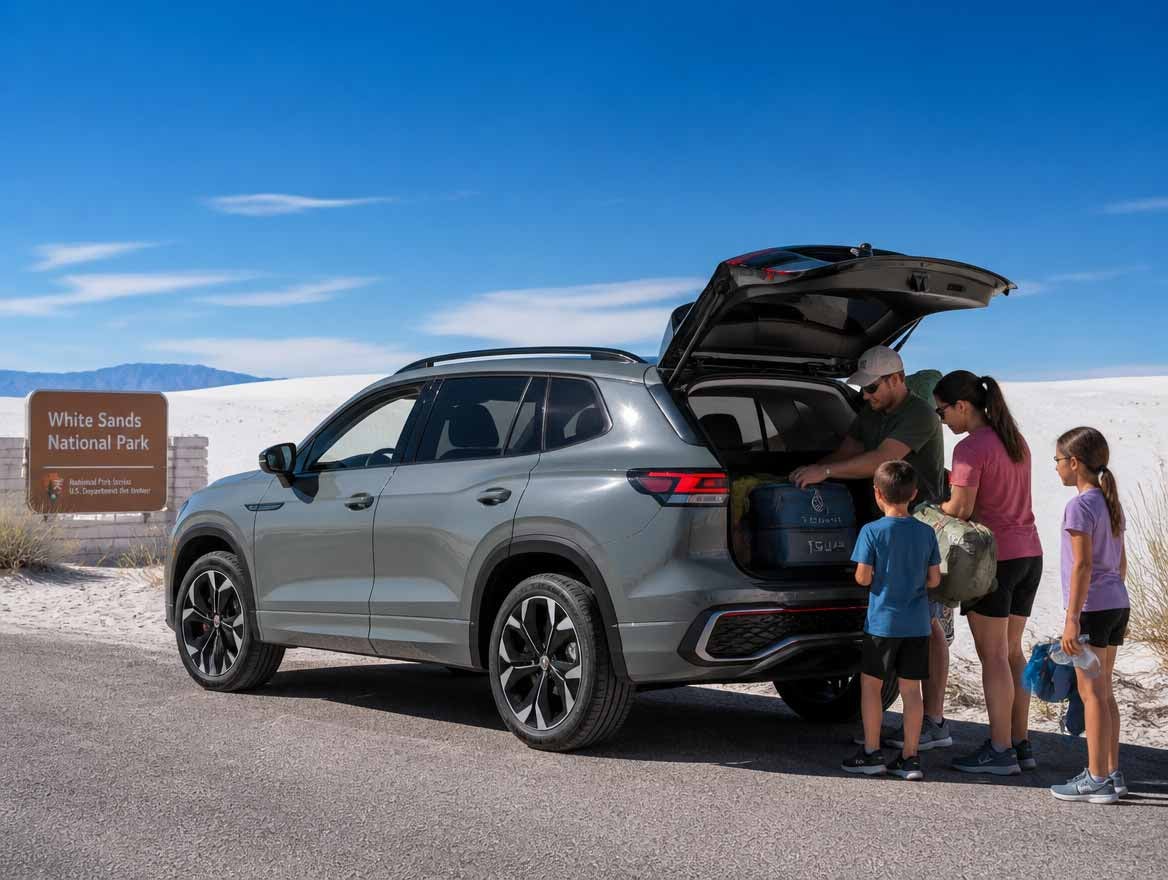
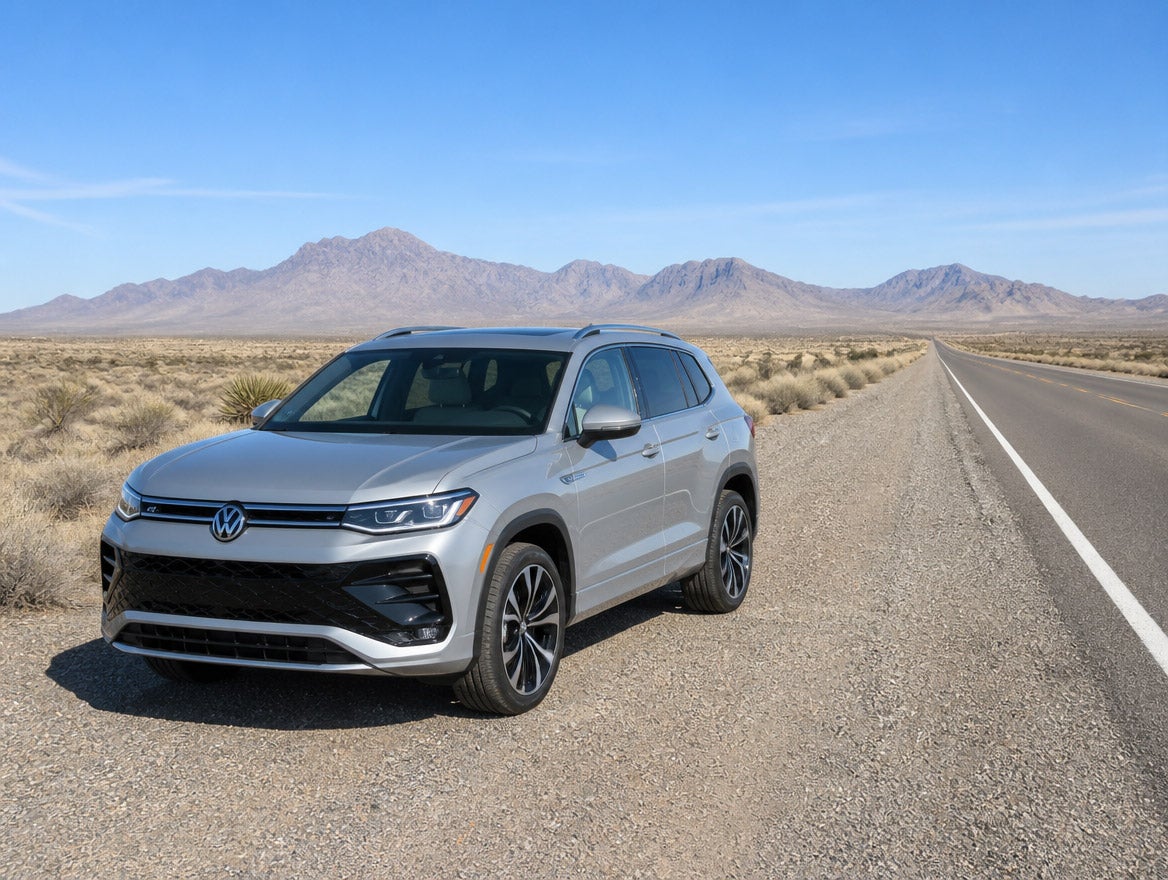
2026 Volkswagen Tiguan at White Sands National Park gypsum dunes, Las Cruces NM road trip

Volkswagen Service Checklist Before a Trip to White Sands National Park

White Sands sits about 45 miles east of us on US-70, an easy run on paper. And it stays easy right up until your A/C starts losing ground on a 97-degree afternoon, or US-70 closes for a missile test while you're waiting to head home, or you catch a warning light on the gypsum-packed Dunes Drive with no cell signal and no shoulder. None of those scenarios need bad luck. They just need a skipped pre-trip walk-around. We tell our own customers the same thing before they pull out. Spend twenty minutes on this list, and the trip takes care of itself. Book a pre-trip service visit with our team before you go What Goes on the Checklist? Every item below actually matters for the specific conditions between Las Cruces and White Sands: sustained highway speeds on open desert, a hardpack gypsum road inside the park, September heat that's still regularly hitting the low-to-mid 90s, and afternoon monsoon thunderstorms that can materialize fast on the drive back. Print it, tape it to the dash, and check things off as you go. Volkswagen Pre-Trip Checklist: Las Cruces to White Sands [ ] NHTSA recall status (Atlas and Atlas Cross Sport owners, check this first) (verify your VIN at NHTSA.gov before you load anything) [ ] Tire pressure (check cold, before you leave the driveway; PSI lives on the sticker inside your driver's door, not the sidewall number) [ ] Tire tread depth (4/32" or below is a hard stop before any highway run; gypsum surface on Dunes Drive is packed but unforgiving on worn rubber) [ ] Engine oil level and service interval (The published schedule for the Jetta, Taos, Tiguan, and Atlas calls for every 10,000 miles or 12 months using approved synthetic; if you're within about 1,500 miles, go ahead and change it before you go) [ ] Coolant level (high desert at elevation means your cooling system runs harder; check the reservoir cold) [ ] Brake fluid (brake fluid absorbs moisture over time and degrades; have it inspected if it's been more than two years) [ ] A/C performance (this one matters more than people expect; September temps at White Sands still average in the low 90s, and a weak A/C on the Dunes Drive with the car parked in direct sun is a genuinely uncomfortable situation) [ ] Windshield washer fluid (desert dust and bug splatter happen fast on US-70; keep it full) [ ] All exterior lights functional (headlights, brake lights, reverse lights; a Monday late-afternoon return from White Sands can put you on US-70 at dusk) [ ] Wiper blades (monsoon season runs through late September; afternoon storms on the return drive are real) [ ] Battery (heat accelerates battery degradation; if yours is over three years old, have it load-tested) [ ] Cargo area and roof load secure (the last four miles of Dunes Drive are hard-packed gypsum, not pavement; anything loose in the cargo area will know it) [ ] Emergency kit (water for passengers (at least a gallon per person for a summer-adjacent visit), first aid kit, jumper cables or a jump pack, phone charger, and a physical paper map or downloaded offline navigation for inside the park where signal drops) [ ] US-70 closure plan (US-70 passes through White Sands Missile Range and closes temporarily for testing; check conditions the morning of your trip (NPS.gov or the park's recorded line) and build a buffer into your return time) Why These Items Matter on This Specific Route Desert heat and the Dunes Drive put different demands on a Volkswagen than a typical I-10 commute. So the key items on that list earn more than a quick glance. The A/C and Cooling System: Your Biggest Risk Factor A/C failures rarely announce themselves on your grocery run. They announce themselves at mile 30 on an open highway with no shade. The gypsum dunes at White Sands reflect sunlight in a way that makes the air feel even hotter than the thermometer says, and a parked car can turn into a genuine heat problem in under ten minutes. Heat builds fast. When we run a pre-trip check, our service team looks at refrigerant charge, belt condition, and condenser cleanliness. Three things that stay invisible in daily use get obvious under sustained desert load. The Tiguan and Atlas both run climate-control systems that do real work on a day like this. And that work needs a system that's genuinely in good shape. Tires: The Gypsum Dunes Drive Is Not a Parking Lot The first four miles of Dunes Drive inside the park are paved. The last four are hard-packed gypsum. Not sand, so you won't need a truck or 4WD. But it's an abrasive, fine-particulate surface that stresses tire sidewalls and shows up any existing damage you might've missed on asphalt. A tire with a slow sidewall crack or a bubble rarely blows on I-25. Get that same tire flexing on an uneven surface at low speed, though, and it can let go, which is exactly what those final four miles deliver. Tread below 4/32" on any corner is a reason to reschedule or take a different vehicle. There's no workaround, no exceptions. Note for Atlas and Atlas Cross Sport owners: NHTSA recall 44BW covers certain 2026 Atlas and Atlas Cross Sport vehicles produced between late October and early November 2025 for incorrect wheel bolts installed during manufacturing. Per NHTSA, affected owners were advised not to drive their vehicles until the repair is complete. The fix is free at any Volkswagen dealer. Check your VIN at NHTSA.gov before this trip (it takes two minutes, and we can confirm your status and complete the repair if needed). Oil Interval: The Short-Commute Problem If your day-to-day driving is mostly short trips around Las Cruces (school runs, NMSU campus loops, quick errands), your oil is working harder than the mileage suggests. Short trips that don't fully warm the engine let moisture and combustion byproducts build up in the oil faster than they would on a highway commute. The Volkswagen maintenance guidance accounts for this. If your driving pattern has been mostly short runs, the practical service interval sits closer than the odometer reading implies. A 90-mile round trip to White Sands on US-70 at highway speed is sustained heat load on an engine that may have spent most of the summer in warm-up mode. If you're within 1,500 miles of your interval, change it first. Taos owners should note that Volkswagen lists the 2026 Taos oil service interval as every 10,000 miles or 12 months using approved synthetic. The same cadence applies across the Jetta and Tiguan lineup. Always confirm the spec in your owner's manual for your exact engine. The Jetta and Jetta GLI share that interval. Confirm the spec for your engine in your owner's manual; your service team is the right call when you're not sure. Item Why It Matters on This Route A/C system Sustained desert highway heat; reflected gypsum sunlight inside the park Tire condition Last 4 miles of Dunes Drive are hard-packed gypsum, stresses sidewalls Oil interval Short-trip Las Cruces driving degrades oil faster than mileage suggests Coolant level High-desert elevation adds load on the cooling system at sustained highway speeds Battery health Summer heat accelerates battery degradation; test before a remote destination Wiper blades September monsoon tail-end means real chance of afternoon storms on US-70 Exterior lights Late returns on US-70 at dusk are common; lights need to be verified NHTSA VIN check Recall 44BW affects certain 2026 Atlas and Atlas Cross Sport (wheel bolts) Print-and-Go: Your Pre-Trip Summary You don't need a full service visit for every item on this list. Some of it you can knock out in the driveway in ten minutes. The ones that need a lift (brake fluid, A/C refrigerant, battery load test, recall verification) are worth booking with us a few days before you go. Grab the short version below, snap a photo, and take it with you. Do in the driveway: Tire pressure (cold, driver-door sticker PSI) Coolant reservoir level (engine cold) Washer fluid (top it off) All exterior lights (walk around the car with someone watching) Cargo secure, emergency kit loaded Book with our service team: A/C performance and refrigerant check Battery load test (especially if it's 3+ years old) Oil change if you're within 1,500 miles of your interval Brake fluid inspection NHTSA VIN recall check (Atlas and Atlas Cross Sport owners: do this before anything else) The morning of the trip: Check NPS.gov or call the park for US-70 closure info Download offline maps for the park (cell signal is unreliable inside) Pack water. At least a gallon per person for September visits when temps still reach the low 90s. Schedule Your Pre-Trip Service Check Frequently Asked Questions Do I need 4WD or AWD to drive through White Sands National Park? No. The Dunes Drive is fully passable in a standard front-wheel-drive Volkswagen. The NPS confirms the road is suitable for cars, motorcycles, and recreational vehicles. The last four miles are hard-packed gypsum rather than pavement, so good tire condition matters. Ground clearance and drivetrain are not limiting factors for most visitors. An AWD Tiguan or Atlas Cross Sport gives you a bit more composure on the gypsum surface, but it isn't a requirement. When should I schedule a pre-trip service visit at Sisbarro Volkswagen? Aim for at least three to four days before you plan to leave. That gives us time to complete any work that turns up during the inspection (an oil change, a battery replacement, or a recall repair) without rushing. If you're planning a September trip around the Labor Day window or a weekend, book earlier. A brief pre-trip check covers the items that need a lift (A/C, brake fluid, battery) in one visit. Get Your Volkswagen Ready for the Road Sisbarro Volkswagen 1115 S Valley Dr, Las Cruces, NM 88005 (575) 319-9131

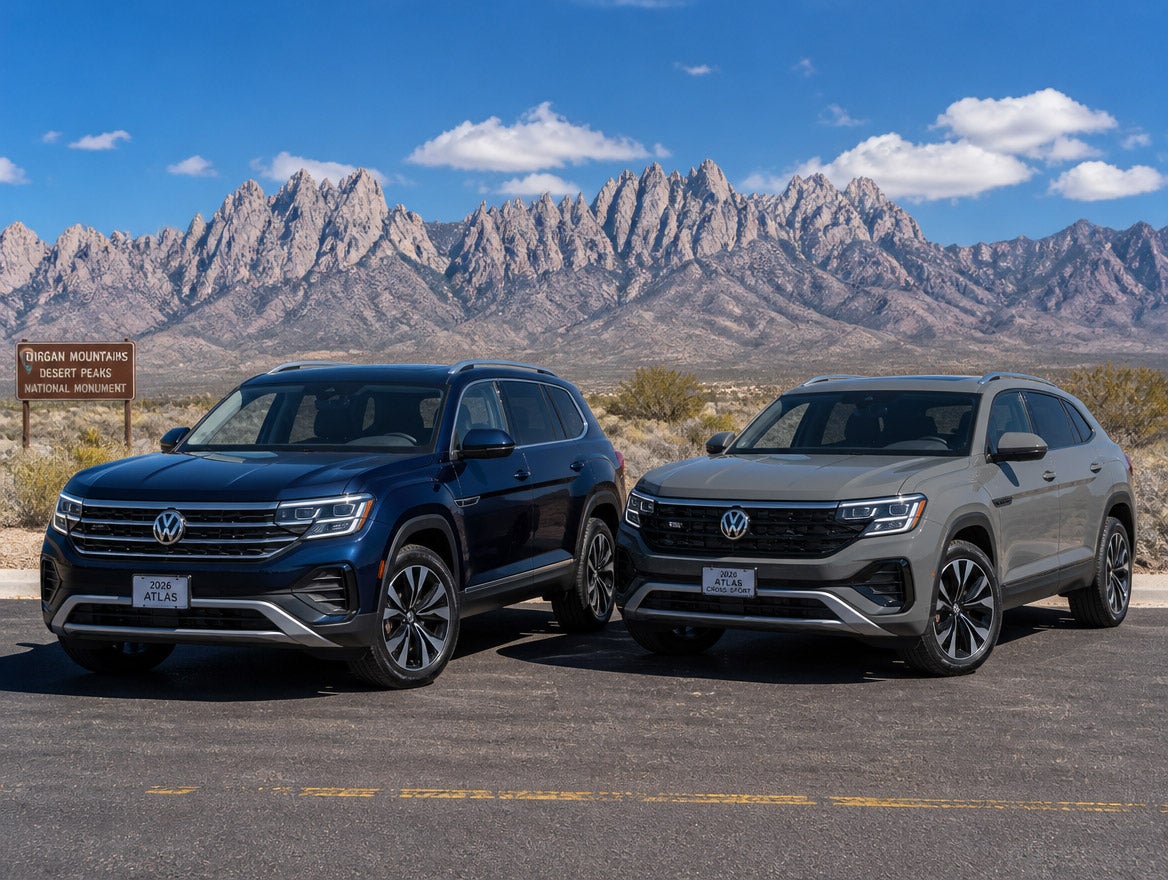
2026 Volkswagen Atlas and 2026 Volkswagen Atlas Cross Sport side by side on a southern New Mexico desert highway with the Organ Mountains behind them

Volkswagen Atlas vs. Atlas Cross Sport for Las Cruces Families

In this article What's the Real Difference Between These Two? Does the Third Row Actually Matter for Your Family? Room for the Drive to White Sands (and Everything You Pack for It) So Which Should You Pick? The short answer runs shorter than you'd expect. Seat more than five people on the regular, and the Atlas is your pick. If you don't, the Atlas Cross Sport hands you a bigger, more adult-friendly rear seat and more usable everyday cargo room, in a package that's a little easier to place in a garage or a Walmart parking lot on a busy Saturday. The nuances still matter, though, and they're not what most comparison articles cover. We'll walk through the breakdown that does. The short version The 2026 Atlas seats up to seven; the 2026 Atlas Cross Sport seats five, full stop. Both share the same 269-horsepower engine, the same 117.3-inch wheelbase, and the same maximum 5,000-lb tow rating when properly equipped. The second-row legroom of the Cross Sport (40.4 inches) actually beats the second row of the Atlas (37.6 inches), because no third-row seat eats into the packaging. Cargo behind the last row: Atlas gives you 20.6 cu ft; Cross Sport gives you 40.3 cu ft. With seats folded: Atlas 96.6 cu ft vs. Cross Sport 77.6 cu ft. Both earned the IIHS TOP SAFETY PICK for 2026 and the NHTSA five-star overall safety rating. Pick the Atlas if you need that third row now or in the foreseeable future. Pick the Cross Sport if five seats are genuinely enough and you want a more practical two-row footprint. Households in the middle (not sure whether that third row will matter at all) should keep reading. That decision is what this guide is for. the 2026 Volkswagen Atlas What's the Real Difference Between These Two? Mechanically these two are nearly identical, so the difference you'll feel every day isn't power or fuel economy but seat count and cargo layout, and the choice really comes down to how many people ride behind you and how much room you keep when everyone's aboard. The rest is body length. Under the hood, both the 2026 Atlas and 2026 Atlas Cross Sport run the same Evo4 2.0-liter turbocharged four-cylinder producing 269 horsepower and 273 lb-ft of torque, paired to the same eight-speed automatic. Volkswagen lists the wheelbase at 117.3 inches on both. That shared foundation means identical powertrain behavior, identical fuel economy ratings (the EPA puts FWD models of both at 20 city / 27 highway), and the same tow rating of up to 5,000 lbs when properly equipped on upper trims. These are genuinely the same vehicle from the firewall forward. Where they split is the body structure behind the B-pillar. The Atlas stretches to 200.7 inches overall length to accommodate that third row. The Cross Sport cuts 5.1 inches off the tail and lowers the roofline, giving it a sleeker profile that also happens to fit more comfortably in a standard garage. Spec 2026 Atlas 2026 Atlas Cross Sport Rows / max seats 3 rows / 7 (or 6 w/ captain's chairs) 2 rows / 5 Cargo behind last row 20.6 cu ft 40.3 cu ft Cargo (all rows folded) 96.6 cu ft 77.6 cu ft Row 2 legroom 37.6 in 40.4 in Overall length 200.7 in 195.6 in Engine 2.0L turbo, 269 hp / 273 lb-ft 2.0L turbo, 269 hp / 273 lb-ft Tow capacity (properly equipped) Up to 5,000 lbs Up to 5,000 lbs EPA mpg (FWD, combined) 23 mpg 23 mpg IIHS rating TOP SAFETY PICK TOP SAFETY PICK NHTSA overall 5 stars Not separately listed at time of publication The single deciding factor: do you currently seat, or expect to regularly seat, more than five people? If yes, buy the Atlas. If no, the rear-seat and cargo layout of the Cross Sport will serve you better in day-to-day use. Does the Third Row Actually Matter for Your Family? Whether the third row earns its keep depends entirely on how often you'll fill it, and the simple audit is less about spec sheets than about being straight with yourself over who rides in the back on a normal week around Las Cruces. Do that honestly and the pick makes itself. The third row of the Atlas really works. In practice, the layout looks like this: With 33.7 inches of legroom back there, it's suited for kids and smaller adults on shorter runs. The sliding second-row bench moves fore and aft 7.7 inches, so you can redistribute space between rows two and three depending on who's riding that day. When the third row is empty, though, you're left with 20.6 cubic feet of trunk space behind it. Call it compact-SUV territory. A full grocery run for a family of five fills it fast. The Cross Sport flips that equation. With the third row removed entirely, the cargo bay behind the second row opens to 40.3 cubic feet (effectively double the usable trunk space of the Atlas when everyone's on board). And because the rear passengers of the Cross Sport aren't sharing packaging with a third row, they get 40.4 inches of legroom, nearly three inches more than Atlas row-two riders. For a family of four, that's a more comfortable daily experience, and you feel it on every trip. See the 2026 Volkswagen Atlas Cross Sport on our lot, alongside the full three-row Atlas, and compare that cargo bay in person. You notice it the moment you load a stroller. Browse our current Volkswagen inventory to see what's available now. The trap to avoid is buying the Atlas "just in case." If carpool duty is a regular fact of life, or you have three kids and a dog, the third row pays for itself in flexibility immediately. If your household is solidly two adults and two kids, you're giving up everyday trunk space for a seat that may ride folded flat most of the year. Room for the Drive to White Sands (and Everything You Pack for It) Both SUVs handle the US-70 run east from Las Cruces to White Sands National Park with room to spare, so the deciding factor isn't capability at all but how much gear you're hauling and how many people are riding along for a full day at the dunes. The drive is an under-an-hour stretch of open highway where real-world comfort matters more than any spec-sheet number. On that drive, both SUVs feel planted and quiet. The 269-horsepower turbo four pulls confidently through the pass with a full load, and the EPA's 27-mpg highway rating for FWD versions of both models means the return trip to town isn't a punishment at the pump. The choice shows itself when you load up. Pack for five people for a full day at the dunes and the 40.3 cubic feet of cargo space for the Cross Sport behind the second row handles boards, coolers, shoes, and bags without a Tetris session. In the Atlas, 20.6 cubic feet behind that third row makes you choose what comes and what stays home. Fold the third row and you've got an Atlas-sized cargo hold and a five-person vehicle anyway. Per IIHS: Both the 2026 Volkswagen Atlas and 2026 Volkswagen Atlas Cross Sport earned the TOP SAFETY PICK designation, achieving Good ratings in the small overlap front, updated moderate overlap front, and updated side tests, with standard LED headlights rated Good across all trims. Families with three kids will load that third row and lean on the Atlas on the return trip when everyone's tired and space-sharing patience is short. Families of four making that same run with gear will appreciate having the trunk they need. So Which Should You Pick? Pick the Atlas if you need seats now or expect to soon, and pick the Cross Sport if five seats cover you and you'd rather have the roomier rear bench and bigger everyday trunk, because the two vehicles drive the same and the decision really is about seat count and how you use the cargo area day to day. We'll be direct from here. Get the 2026 Atlas if: You have three or more kids, or you regularly carpool additional passengers. You need the occasional ability to seat six or seven, even if it's not every day. Extended family visits or road trips with grandparents are part of your routine. A larger footprint doesn't factor into your parking situation. Get the 2026 Atlas Cross Sport if: Your household is consistently four or five people. You want the more useful daily trunk (40.3 cu ft vs. 20.6 cu ft with everyone on board). Your rear passengers are adults who'll notice the extra legroom. Garage clearance or parking-lot maneuverability matters to you. One caveat worth naming: the Atlas is the better hedge if your family is still growing, or if you're buying a vehicle you plan to keep for seven-plus years. The Cross Sport is the better vehicle right now for a household that knows its size. Talk yourself into the third row, and you may keep it folded flat nine months out of twelve. There's nothing wrong with that flexibility, but it does cost you trunk space on every single trip where you're using it. Explore financing options for either model with our team. Both are excellent, and both earned IIHS TOP SAFETY PICK status for 2026. The decision really does come down to seat count and how you use your vehicle day to day, not which one sounds more capable on paper. Come drive both back to back at Sisbarro Volkswagen. You'll know within ten minutes. By the Sisbarro Volkswagen Team | September 2026 Frequently Asked Questions Do the Atlas and Atlas Cross Sport have the same engine? Yes. Both the 2026 Volkswagen Atlas and the 2026 Volkswagen Atlas Cross Sport use the Volkswagen Evo4 2.0-liter turbocharged four-cylinder engine producing 269 horsepower and 273 lb-ft of torque, paired with an eight-speed automatic transmission. Front-wheel drive is standard on base trims; 4Motion all-wheel drive is available on both models and standard on upper trims. The EPA rates FWD versions of both at 20 city and 27 highway miles per gallon. Is the back seat of the Atlas Cross Sport actually bigger than that of the Atlas? For second-row passengers, yes. With no third row eating into the package, the rear seat of the Atlas Cross Sport offers 40.4 inches of legroom. The second row of the Atlas provides 37.6 inches. That nearly three-inch difference is noticeable for adult passengers on longer drives. If the third row of the Atlas is in use, its legroom is 33.7 inches, which works well for children but is a tighter fit for adults on anything beyond a short trip. Value Your Trade-In Toward an Atlas or Atlas Cross Sport Sisbarro Volkswagen 1115 S Valley Dr, Las Cruces, NM 88005 (575) 319-9131

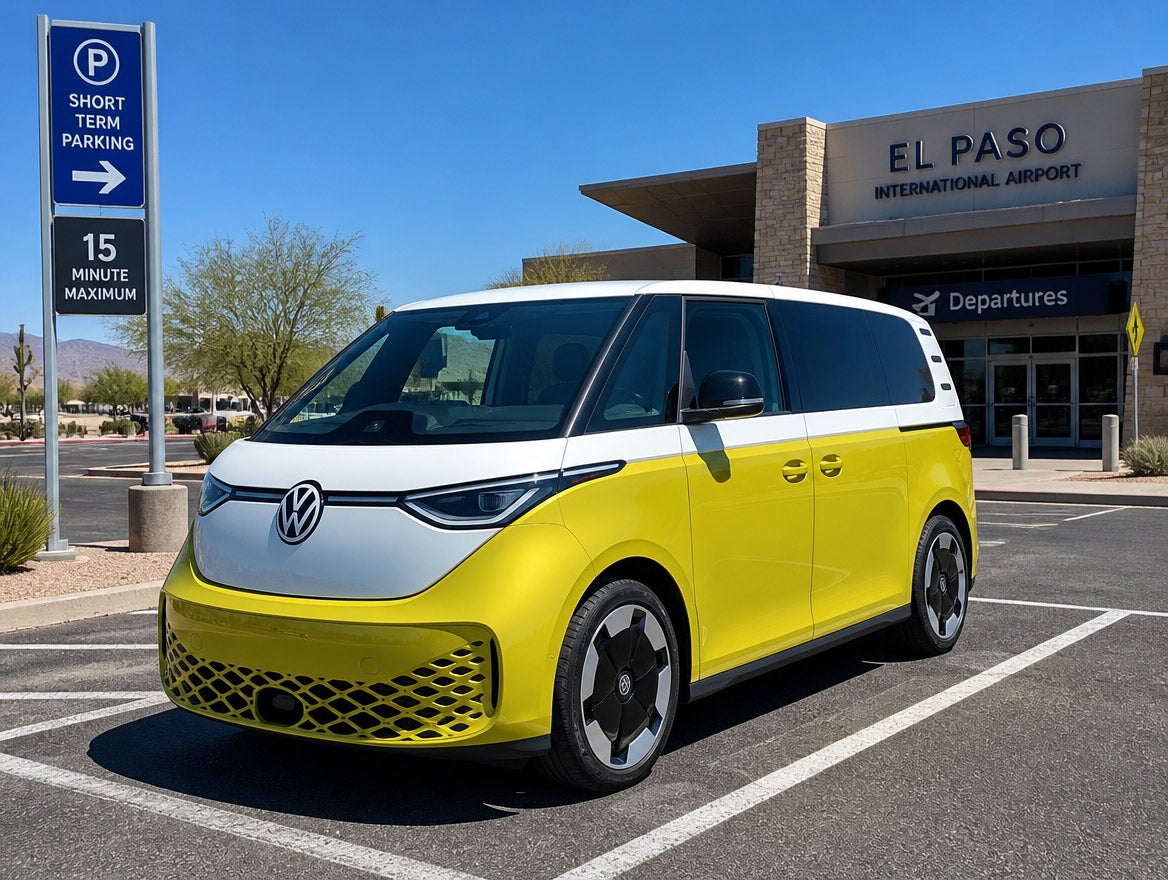
2027 Volkswagen ID. Buzz parked at El Paso International Airport short-term lot

Volkswagen ID. Buzz for El Paso International Airport Runs: Charging, Range, and Parking Questions

The good news is that the Las Cruces-to-ELP round trip sits well inside the EPA-rated range of the Volkswagen ID. Buzz, and you won't need to touch a charger at the airport for most trips. The flip side matters too. Park for more than a day or two and the airport's on-site charging setup won't save you, so you'll want to plan for that before you leave the driveway. That covers the bottom line, and here's the full play. Browse the Volkswagen ID. Buzz at Sisbarro Volkswagen Where Do You Park, and When Do You Need to Arrive? For a quick pickup you'll want the short-term lot right out front, and for a multi-day stay the on-site long-term lots take over, though those long-term lots carry no EV chargers at all, so you'll charge before you arrive rather than at the terminal. El Paso International Airport (ELP) sits at 6701 Convair Road, about 4 miles northeast of downtown El Paso, which puts it roughly 45 to 50 miles from Las Cruces via I-10. The drive itself is dead-simple. The airport runs compact by major-hub standards, but the parking picture has a few layers worth knowing before you pull in. Arrive By Best Lot ID. Buzz Fit Note Key Tip Drop-off only (under 10 min) Short-term lot, front of terminal Sliding doors make loading fast; pull forward to stay clear of traffic First 10 minutes are free 1-2 hours (pickup / waiting) Short-term lot Blink Level 2 chargers in this lot near the exit; 4 stalls available Good for a short top-up while waiting 1-3 days Long-term lots (on-site) No EV chargers in long-term; plan your charge before you arrive Two long-term lots; 5,738 total spaces on property 4+ days Long-term lots or off-site Off-airport shuttles run to the terminal; van-sized vehicles fit easily Leave with a full charge from home Running late (under 30 min to flight) Short-term or Premium Reserved Premium Reserved is covered and closest to the main entrance Don't rely on finding a spot at drop-off in peak periods The short-term lot sits directly in front of the main terminal, and the Premium Reserved area is covered. For a van the size of the ID. Buzz, those sliding rear doors are a genuine advantage in the tighter bays. You won't swing a wide door arc into the neighboring car's side panel. On a packed lot, that pays off. The Maneuvering and Fit Picture The Volkswagen ID. Buzz is a long-wheelbase three-row van, and it's bigger than it looks in photos, which means the size helps you in some airport bays and costs a little patience in others. Knowing where each shows up saves you the hassle. See current ID. Buzz availability In a tight bay, the sliding rear doors let passengers load and unload without drama. The upright greenhouse and large windows give genuinely good outward visibility, which helps when you're inching into a space with traffic behind you. Where the Buzz asks for patience is a covered or low-clearance structure. The Premium Reserved area is covered but surface-level, so clearance isn't a concern there. Multi-story garages at other spots in El Paso are where you'd want to verify height limits before committing. Explore financing options for the Volkswagen ID. Buzz For the I-10 run from Las Cruces, the van is genuinely comfortable. Three rows, climate control, quiet cabin. The person you're picking up from baggage claim will appreciate it more than they would a sedan. Insider note: The boxy shape of the ID. Buzz is aerodynamically honest. Volkswagen rates the EPA range at 234 miles for the rear-wheel-drive model and 231 miles for the 4Motion all-wheel-drive, and those figures hold up well at I-10 highway speeds because Volkswagen tuned the platform for real-world family driving, not wind-tunnel numbers alone. At about 95-100 miles total, a Las Cruces-to-ELP round trip leaves you with substantial range margin, so you're not sweating the return leg. Etiquette note: At ELP's short-term Blink stalls, the 4 charging terminals are shared among all EV drivers. If you're just picking someone up and don't need a charge, leave the stalls free for someone who does. It's a small lot and a short list of chargers. Before You Go: The Print-and-Go Checklist A good airport run in the ID. Buzz isn't complicated, and you won't need a charger at ELP for a short stay, but a little prep before you roll out of Las Cruces is what keeps the day seamless. Charge at home, confirm your lot, and mind the I-10 traffic. The rest takes care of itself. [ ] Charge to at least 80% at home the night before (the round trip runs around 95-100 miles; 80% gives you plenty of buffer) [ ] If you own a 2027 ID. Buzz, verify your NACS adapter is in the vehicle (Volkswagen confirmed standard NACS ports on 2027 models, opening Tesla Supercharger access along the I-10 corridor) [ ] Check the ELP parking map at elpasointernationalairport.com before you leave so you know which lot you're targeting [ ] For stays of 3 days or more, plan to charge at home or a nearby DC fast charger before your return drive, not at the airport (ELP's on-site stalls are Level 2 Blink units at 4 terminals in the short-term lot; they add range slowly, not rapidly) [ ] Use the three-zone Climatronic climate control to pre-condition the cabin while still plugged in at home on hot September days; that protects your range for the highway run [ ] If you're dropping someone off, account for departure-day morning traffic on I-10 through Anthony and the outskirts of El Paso [ ] For multi-day parking, confirm long-term lot availability on the ELP website ahead of peak travel weekends Schedule a pre-trip service check at Sisbarro Volkswagen The Volkswagen ID. Buzz handles this corridor naturally. Las Cruces to ELP is exactly the trip you'll want this vehicle for. A manageable distance, a family to move, and cargo to load without wrestling a hatch. Point the ID. Buzz at ELP and go enjoy the drive. By the Sisbarro Volkswagen Team | September 2026 Schedule a Pre-Trip Service Check Sisbarro Volkswagen 1115 S Valley Dr, Las Cruces, NM 88005 (575) 319-9131

2026 Volkswagen Tiguan on a wet Las Cruces road during monsoon season with dark storm clouds above the Organ Mountains

Do Las Cruces Drivers Need Volkswagen 4MOTION All-Wheel Drive?

For most Las Cruces commuters running I-10 on dry pavement, a front-wheel-drive Tiguan or Atlas does the job well and saves fuel. The honest answer shifts, though, once monsoon season arrives. During Chihuahuan Desert monsoons, when arroyos fill in minutes and the New Mexico Department of Transportation posts standing-water alerts on I-25 through the city, Volkswagen 4MOTION all-wheel drive earns its cost in a way no dry-weather statistic can capture. Does 4MOTION Actually Do Anything in a Desert Climate? Yes, and the reason is water, not the snow this region barely sees. Las Cruces gets almost none. What it does get is violent summer monsoons. The ground bakes hard all spring and early summer, then the rains hit fast and water sheets across the roads before it can soak in. That's the low-grip, sudden-traction-loss scenario 4MOTION was built for. The Volkswagen 4MOTION system runs primarily as front-wheel drive under normal conditions. When the sensors detect wheel slip (or anticipate it from throttle input, steering angle, and vehicle dynamics data), it engages the rear axle proactively through a multi-plate Haldex clutch, catching a slide before it develops. On a rain-slicked I-25 on-ramp in August, that timing difference is everything. The National Weather Service issued a Flood Watch for Southern Dona Ana County and the Mesilla Valley on August 1, 2026. NMDOT has documented standing water on I-25 at the University Avenue exit and on I-10 near the Mesquite area during recent monsoon events. These aren't hypothetical conditions. Our team has watched customers cross a monsoon-soaked parking lot and a wet on-ramp, and the composure gap shows depending on what they're driving. Condition Front-Wheel Drive 4MOTION AWD Dry I-10 daily commute Fully capable No meaningful advantage Wet monsoon pavement Adequate with smooth inputs Proactive rear engagement, more margin Paved arroyo crossings Workable if water is shallow Better traction on slippery exit grade Dirt roads near Organ Mountains Depends on surface Noticeably more confident Sand or loose desert gravel Prone to wheelspin More controlled power delivery The three-row Atlas adds one more variable. It carries more people, so losing traction on a slick exit ramp raises the stakes, which makes 4MOTION a reasonable call even when your route stays entirely paved. More passengers, less room for error. What Does Choosing 4MOTION Actually Cost You? Fuel economy is where you pay for it, and the EPA numbers make that tradeoff concrete rather than abstract. 4MOTION adds mechanical complexity and weight, both of which pull mileage down, so we'll lay the figures out plainly instead of glossing over them. On the 2026 Tiguan with the base 2.0-liter turbo, the EPA rates the front-wheel-drive model at 26 city and 34 highway. The same Tiguan equipped with 4MOTION drops to 22 city and 30 highway. That's a real four-mpg gap on the highway. Run fifty highway miles a day on the El Paso corridor and you'll feel it at the pump over a year. We're not pretending otherwise. The 2026 Atlas tells a tighter story. The EPA rates the Atlas FWD at 20 city and 27 highway combined, while the 4MOTION version gives up just one highway mpg, landing at 20 city and 26 highway. For a three-row SUV that size, the penalty is truly modest. Model Drivetrain EPA City EPA Highway Best For 2026 Tiguan (base engine) FWD 26 mpg 34 mpg Daily I-10 commuters, dry-weather driving 2026 Tiguan (base engine) 4MOTION 22 mpg 30 mpg Monsoon-season drivers, Organ Mountains day trips 2026 Tiguan SEL R-Line Turbo 4MOTION (standard) See Volkswagen.com See Volkswagen.com Performance buyers; 268 hp, 4MOTION included 2026 Atlas SE FWD 20 mpg 27 mpg Families on primarily dry paved routes 2026 Atlas SE 4MOTION 20 mpg 26 mpg Families who want monsoon and road-trip confidence One mechanical detail is worth knowing. The base 2.0-liter turbo of the 2026 Tiguan produces 207 lb-ft of torque in the FWD configuration. Pair that same engine with 4MOTION and the output rises to 221 lb-ft. The drivetrain calibration shifts when the AWD hardware is present. That's a genuine spec difference you can point to. For Las Cruces drivers, 4MOTION isn't a snow feature. It's a monsoon-season and loose-surface feature, and the Tiguan fuel economy tradeoff (about four highway mpg) is the real, concrete cost of that confidence. Monsoon Note: Arroyos throughout the Mesilla Valley can go from bone dry to flowing in under ten minutes during a heavy storm cell. 4MOTION won't replace good judgment about standing water, but it gives you better grip on the wet pavement and mud-slicked asphalt on the far side of a crossing. Which Volkswagen Models in Our Lineup Offer 4MOTION? Not every Volkswagen offers 4MOTION, and on the models that do, it isn't always standard, so the answer depends on which vehicle and trim you're weighing. Here's how it breaks down across our current lineup. On the 2026 Tiguan, 4MOTION is an available option on the S, SE, and SE R-Line Black trims. It comes standard on the SEL R-Line Turbo. That top trim also steps up to 268 horsepower and 258 lb-ft of torque, compared with 201 horsepower in the base configuration. Want the higher-output engine? 4MOTION comes with it automatically. Check the Atlas trim ladder next. FWD is only available on SE and SE with Technology trims. Every higher trim (SEL, SEL Premium R-Line, and Peak Edition) comes standard with 4MOTION. The Jetta and Golf GTI don't offer 4MOTION in the current Volkswagen lineup. Both are capable daily drivers, and both are front-wheel drive only. The Taos is worth a mention. Volkswagen offers 4MOTION on multiple Taos trims, which makes it a compact entry point for buyers who want AWD confidence without stepping into a larger SUV. If a full Tiguan is more vehicle than you need, the Taos with 4MOTION is a real option worth considering. Explore Financing Options By the Sisbarro Volkswagen Team | August 2026 Frequently Asked Questions About Volkswagen 4MOTION in Las Cruces Does Las Cruces get enough rain to make AWD worth it? Las Cruces averages roughly 9.5 inches of annual precipitation, which sounds like almost nothing. The catch is that about half of that falls as concentrated monsoon downpours between July and September, hitting baked hardpan that can't absorb water fast enough. The New Mexico Department of Transportation has documented standing water on both I-25 and I-10 within city limits during these events. That concentrated wet-season intensity, rather than the annual total, is what makes 4MOTION relevant here. How does Volkswagen 4MOTION differ from four-wheel drive? 4MOTION is an all-wheel-drive system engineered for on-road conditions. It runs primarily as front-wheel drive in normal driving and engages the rear axle automatically through a multi-plate clutch when the system detects or anticipates traction loss. There's no low-range transfer case for serious off-road work. Think of it as intelligent, proactive grip on wet pavement and moderate loose surfaces (well short of a trail-rated rock-crawling setup) that operates without any input from the driver. Can I add 4MOTION to any Volkswagen I choose, or is it trim-specific? It depends on the model. On the 2026 Tiguan, 4MOTION is available as an option on most trims below the SEL R-Line Turbo, where it's standard. On the 2026 Atlas, front-wheel drive is only offered on SE-level trims, so higher-trim buyers get 4MOTION automatically. The Jetta, Jetta GLI, and Golf GTI don't offer 4MOTION at any trim level. Our team can walk you through exactly which configurations are available in our current inventory. Value Your Trade Sisbarro Volkswagen 1115 S Valley Dr, Las Cruces, NM 88005 (575) 319-9131

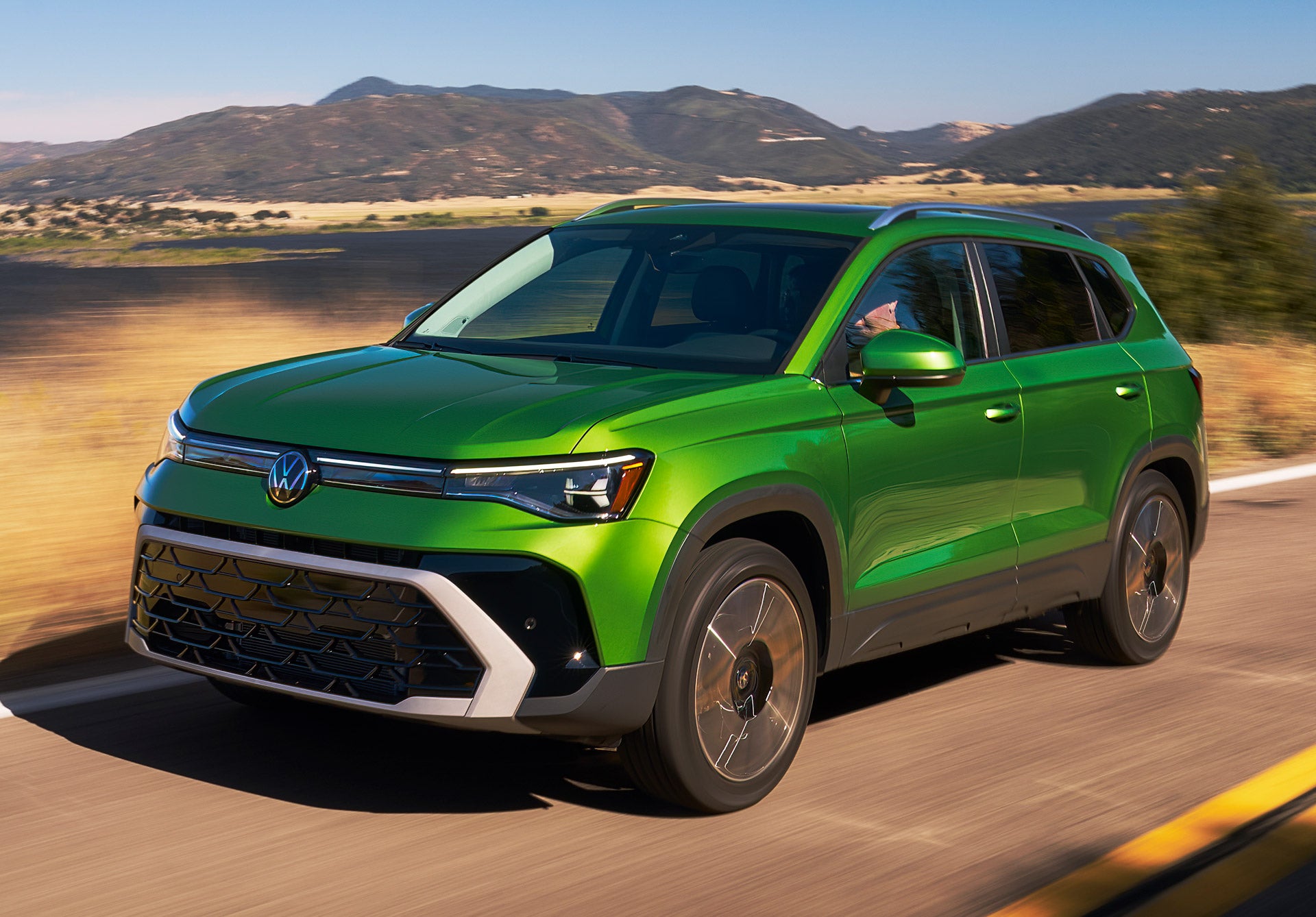
Volkswagen Taos running shot

Volkswagen Taos vs. Jetta for Las Cruces Student Drivers

In this article What's the Real Difference Between These Two? Does Fuel Economy Actually Matter Here, and Which One Wins? Parking, Parking, Parking Do You Actually Need AWD in Las Cruces? So Which One Should You Pick? The honest answer fits in one sentence. If you're parking near NMSU and running the I-10 corridor every week, the 2026 Volkswagen Jetta will almost certainly cost less to fuel and feel more natural in the city. The 2026 Volkswagen Taos earns its higher entry point only when you genuinely need hatch-open cargo flexibility or have a real lifestyle reason to want an SUV silhouette. The short version The 2026 Jetta gets an EPA-estimated 40 mpg highway; the 2026 Taos FWD tops out at 36 mpg highway. That gap adds up across a semester on I-10. Cargo is the strongest card for the Taos: up to 60.2 cubic feet of maximum load space vs. the fixed 14.1-cubic-foot trunk of the Jetta. Neither vehicle needs AWD for typical Las Cruces driving. FWD handles I-10 and I-25 in our climate without compromise. Both come standard with the Volkswagen full IQ.Drive driver-assistance suite, including stop-and-go adaptive cruise and automatic emergency braking. Pick the Jetta for pure commuter efficiency. Pick the Taos if hauling gear or SUV flexibility genuinely changes your daily routine. What's the Real Difference Between These Two? Both cars share a platform, the same 184 lb-ft of torque, and a nearly identical feature checklist, so the difference that actually matters is body shape, and shape carries real-world consequences for how you park, what you haul, and what you spend at the pump. The Jetta is a sedan built to sip fuel, move through traffic, and fit neatly into campus parking. The Taos is a compact SUV built to swallow duffel bags, sit higher off the ground, and offer an optional all-wheel-drive system that Las Cruces conditions rarely call for. Spec 2026 Volkswagen Jetta 2026 Volkswagen Taos FWD Engine 1.5L turbo, 158 hp 1.5L turbo, 174 hp Torque 184 lb-ft 184 lb-ft EPA City / Hwy / Combined 29 / 40 / 34 mpg 28 / 36 / 31 mpg Cargo (behind rear seats) 14.1 cu ft (sealed trunk) 24.9 cu ft Cargo (max, seats folded) 14.1 cu ft 60.2 cu ft Ground clearance N/A (sedan) 6.5 in FWD / 7.6 in AWD Drivetrain options FWD only FWD or 4MOTION AWD Standard driver assists Full IQ.Drive suite Full IQ.Drive suite Fuel tank 13.2 gal 14.5 gal Sources: EPA (fueleconomy.gov); Volkswagen official media (media.vw.com); Volkswagen model specifications. Both vehicles include wireless Apple CarPlay and Android Auto, an 8-inch touchscreen, Volkswagen Digital Cockpit, and the complete IQ.Drive suite across every trim. The suite covers forward collision warning with pedestrian detection, automatic emergency braking, blind-spot monitoring, rear cross-traffic alert, stop-and-go adaptive cruise control, and lane-centering. Adaptive cruise being standard on an entry-level Volkswagen SUV is genuinely uncommon in this segment, and it's a feature that earns its keep on long desert highway runs. The single deciding factor: if your cargo is a laptop bag and a week's worth of groceries, the trunk of the Jetta is more than sufficient and its highway fuel economy pays real dividends across a school year. If your cargo includes bike tires, camping gear, or move-in-day furniture, the fold-flat hatch of the Taos changes the calculation entirely. Does Fuel Economy Actually Matter Here, and Which One Wins? Fuel economy matters on the I-10 corridor more than a single fill-up ever reveals, and on that measure the Jetta wins clearly, though the margin only stacks up over a full semester rather than on any one drive between Las Cruces and El Paso. The EPA rates the 2026 Volkswagen Jetta at 40 mpg highway and 34 mpg combined. The EPA rates the 2026 Taos FWD at 36 mpg highway and 31 mpg combined. Three mpg combined isn't dramatic on any single trip. Across an entire semester of commuting between Las Cruces and El Paso, or logging miles on I-25 toward Albuquerque, you'll notice it at the pump. We'll name the tradeoff plainly. The trunk of the Jetta is sealed and fixed at 14.1 cubic feet, and you can't fold the rear seats flat. It handles luggage, grocery runs, and a reasonable amount of student life without complaint. It won't take a flat-pack bookshelf, a set of mountain bike wheels, or a cooler and two tent bags at the same time. The Taos opens up to 60.2 cubic feet with the rear seats folded and a liftgate that swings wide for awkward shapes. Call it four times the cargo volume. No small difference. Las Cruces sits at the crossroads of I-10 and I-25. Highway miles add up faster here than a new commuter expects. If you have an El Paso internship, a weekend habit of hitting White Sands, or family anywhere north on I-25, the 40 mpg highway figure for the Jetta is working for you constantly. And both engines run on regular 87-octane, per published specs from Volkswagen. No premium fuel premium here. See available 2026 Jetta trims on our lot and compare entry points with the Taos before you decide. Explore Financing Options Parking, Parking, Parking Parking is the axis most comparisons skip, and for an NMSU student or anyone threading the streets around downtown Las Cruces it matters more than raw dimensions suggest, since the two cars are identical in length and separate instead on how they feel to place. The number worth knowing is that both vehicles measure 175.8 inches long. Exactly the same length. The footprint argument doesn't split them. What splits them is body style and the feel of placing the car. The lower sedan profile of the Jetta is easier to navigate in covered structures and closer quarters, and the fixed trunk gives you a clear, intuitive sense of where the rear corners are. Newer drivers tend to build confidence in sedans faster for exactly this reason. The higher seating position of the Taos offers a better sight line over surrounding traffic, which some people find reassuring, especially on I-10 at speed. Neither is hard to park. But if you're a driver who came straight from a Texas or New Mexico high school parking lot and this is your first solo vehicle, the Jetta will feel smaller and easier to place sooner. Do You Actually Need AWD in Las Cruces? For everyday driving around Las Cruces you almost certainly don't need all-wheel drive, and setting aside one real exception, the case against it comes down to simple geography and mild weather rather than any knock on the drivetrain you'd notice here. Las Cruces sits at roughly 3,900 feet in the Chihuahuan Desert, where winters are mild and snow on city streets is rare. Both I-10 and I-25 stay passable through most weather this market sees in a typical year. Front-wheel drive handles the conditions this market actually throws at you without issue. AWD also carries a fuel economy penalty inside the Taos lineup. The EPA rates the 2026 Taos 4MOTION at 25 city / 33 highway / 28 combined, compared to 28/36/31 for the FWD version. Three mpg combined separates the two versions of the same SUV. If you're buying the Taos for Las Cruces daily use, the FWD is both the practical and economical call. The Jetta has no AWD option, which is no disadvantage here. AWD does earn its keep in one case. If you often drive unpaved roads toward the Organ Mountains or make frequent trips to high-elevation mountain routes where conditions are genuinely different, it's worth the fuel tradeoff. For campus-to-apartment-to-I-10 driving, it doesn't. So Which One Should You Pick? The right pick comes down to how you live with the car day to day, and both answers hold up, so the split is clean and easy to make once you're straight about your own cargo, your parking, and how many highway miles you log each week. Both are legitimate calls, and neither leaves you shortchanged on technology or safety gear. Pick the Jetta from our current inventory if you drive meaningful highway mileage, park in tight spots often, and your cargo is people and everyday bags. The EPA's 40 mpg highway figure is real and verifiable, the sedan is simple to place on the road, and every trim comes fully loaded with technology and safety equipment. As a package, the Jetta fits the Las Cruces student commuter profile. Hard to beat for that job. Pick the Taos if you're hauling gear week to week, if the higher seating position clearly matters to you, or if you've always wanted an SUV and you know you'll fill that cargo space. Choose FWD unless you have a specific reason for 4MOTION AWD, and you'll keep fuel economy in a reasonable range for this climate. We'll put it plainly. The Jetta is harder to outgrow over four years of school. The Taos is more rewarding when your life actually fills it up, and genuinely frustrating when it doesn't. Frequently Asked Questions Is the Volkswagen Jetta or Taos better for an NMSU student? For most NMSU students, the Jetta is the more practical fit. The EPA rates the 2026 Jetta at 34 mpg combined and 40 mpg highway, which pays off measurably on I-10 commutes between Las Cruces and El Paso. Its 14.1-cubic-foot trunk handles everyday student cargo without issue. The Taos makes more sense if you regularly transport larger items: it offers up to 60.2 cubic feet of cargo space with the rear seats folded and a hatch that opens wide for bulky loads. Both vehicles carry the full Volkswagen IQ.Drive driver-assistance suite as standard equipment across every trim. Does the Volkswagen Taos need AWD in Las Cruces, NM? For typical Las Cruces and southern New Mexico driving, no. The Chihuahuan Desert climate at roughly 3,900 feet means mild winters with little to no snow accumulation on city roads or on I-10 and I-25. Front-wheel drive handles the conditions most drivers encounter here. The 2026 Taos FWD also earns better EPA fuel economy (28 city / 36 highway / 31 combined) than the 4MOTION AWD version (25 city / 33 highway / 28 combined), so FWD is the more economical and practical call for this market. If you regularly drive rougher terrain near the Organ Mountains, AWD is worth considering. For daily Las Cruces and El Paso corridor driving, it's rarely necessary. Which vehicle holds its value better, the Jetta or Taos? Both Volkswagen models maintain strong residual value in the compact sedan and compact SUV segments respectively. The Taos, as the newer nameplate in the U.S Volkswagen lineup, has built strong market demand. The long history of the Jetta and proven reliability support stable resale value. Your actual resale outcome will depend more on mileage, condition, and market timing than on which model you choose. We'd recommend testing both at our lot before deciding. Value Your Trade-In Sisbarro Volkswagen 1115 S Valley Dr, Las Cruces, NM 88005 (575) 319-9131

2026 Volkswagen Tiguan parked on U.S. 180 desert highway shoulder near Las Cruces, New Mexico

What to Keep in Your Volkswagen for Regular Trips on U.S. 180 between Las Cruces and Deming

That 60-mile run looks simple on the map. The road is signed, it's a freeway, and you've probably driven it a dozen times without a second thought. The honest version reads a little differently. U.S. 180 concurrent with I-10 between Las Cruces and Deming crosses open Chihuahuan Desert with long service gaps, documented dust-storm closures that can drop visibility to near zero, and monsoon flash flooding in late summer that hits without much warning. Keep the right gear in your Volkswagen Tiguan, or whichever Volkswagen you're running, and you've handled the realistic worst-case before it happens. What Goes on the Checklist? Every item below earns its place for this specific corridor, listed in priority order, and none of it is exotic gear you'll struggle to find. Check the kit every six months per the National Safety Council's guidance, and refresh anything you pull out right after a trip so the bag is ready for the next run. Water (at least one gallon per person). The Chihuahuan Desert at roughly 3,900 feet of elevation is dry enough in August that dehydration becomes a real risk if you're stuck roadside for even an hour in midday sun. Pack sealed jugs, not bottles that have been baking in the cargo area for weeks. Jumper cables or a lithium jump starter. Dead batteries rank among the most common roadside problems. A compact lithium jump starter tucks behind the rear seat and works without a second vehicle. Tire repair kit + portable inflator. The 2026 Tiguan comes with all-season tires as standard equipment. A quality portable inflator and a can of tire sealant handle slow leaks and minor punctures fast enough to get you to Deming or back to Las Cruces. First aid kit. Keep one stocked with sterile gauze, bandages, antiseptic wipes, medical tape, and tweezers. The Red Cross recommends supplies sufficient for at least the people in your vehicle. Flashlight with spare batteries (or hand-crank). If a breakdown lands after dark on this stretch, you need to be visible before you need anything else. Reflective warning triangles or flares. Three is the standard recommendation. During a dust-storm closure, they're how other drivers know you're there before they can see you. Reflective safety vest. Step out of the vehicle on the shoulder in a blowing-dust event and you'll want it on. Make wearing it a habit. Rain poncho. Monsoon season in southern New Mexico, roughly July through mid-September, brings fast, heavy downpours. If you climb out to inspect a tire during one, you'll be glad it's there. Windshield sunshade. A parked car on open desert asphalt in August gets dangerously hot inside. The sunshade buys you time and keeps interior surfaces touchable if you have to wait for a tow. Charged battery pack (phone charger). Cell service on the I-10/U.S. 180 corridor thins noticeably in the high-desert sections between exits. A fully charged power bank means your phone's ready to make the call the moment you finally catch a bar. Paper map or downloaded offline map. Phones don't find service on demand out here. Know your exits before you leave. Non-perishable snacks. A granola bar isn't glamorous. It earns its keep when you're waiting with kids. Schedule a Pre-Trip Vehicle Check Why These Items Matter on This Particular Run Scheduling routine service before a regular U.S. 180 run pays off in a way it never does on a quick errand across town, because this corridor asks more of your Volkswagen than the map lets on. The gear matters for three concrete reasons, and each one shows up on this stretch in a way you can plan around. The dust closures are documented and serious. In March 2025, the New Mexico Department of Transportation closed both directions of I-10 from milepost 132 in Las Cruces to milepost 81 near Deming because of blowing dust and severely reduced visibility. That covers nearly the full stretch. Get caught in it without water, warning triangles, and a sunshade, and what felt like a nuisance turns uncomfortable in a hurry and potentially unsafe. Reflective triangles placed behind your vehicle and a vest on your body are the practical answers. Monsoon flooding changes the calculus in late summer. The NWS classifies our region's monsoon season as running from approximately mid-June through mid-September. In July 2025, flooding hit communities along the I-10 corridor south of Las Cruces hard, with NMDOT reporting standing water on the roadway. Ready.gov is direct on this. Six inches of water can cause a vehicle to lose control. Don't drive through a flooded section of roadway. If water is moving across the road ahead of you, stop and wait it out. Services thin out fast west of the metro. Once you're past the Las Cruces exits and into the high desert toward Deming, you're committed. No gas station waits at every exit, no cell signal at every mile marker. You're on your own. Topping off your fuel before you leave town is practical, not paranoid. The EPA rates the front-wheel-drive 2026 Tiguan at 34 miles per gallon on the highway, which means a full tank takes you well beyond Deming in either direction, but you still want to start full. Quick callout. Check that your spare tire, or tire repair kit depending on trim, is properly inflated before any desert highway run. Tire pressure drops roughly one PSI for every 10-degree Fahrenheit drop in temperature (desert mornings versus desert afternoons can swing that math a fair bit). Item / Why It Matters on U.S. 180 Item Why It Matters on This Corridor Water (1 gal/person min.) Chihuahuan Desert heat + potential wait during closures Jump starter Dead batteries are the top breakdown cause; no help nearby Tire inflator + sealant Long service gaps mean you may need to self-rescue First aid kit Response time is longer out here than in town Reflective triangles Dust-storm zero-visibility requires you to mark your position Reflective vest Stepping out on a desert shoulder in any low-visibility event Rain poncho Monsoon downpours arrive fast and soak you before you react Windshield sunshade Interior temps spike quickly parked on open asphalt Phone power bank Cell service is spotty in high-desert sections Offline map Have the route downloaded before you lose signal Atlas owners and Jetta drivers, the kit contents stay the same regardless of which Volkswagen you're running. The Atlas gives you more rear cargo space to lay everything out flat. Smaller sedans do better with a compact, organized bag that won't slide around. The Print-and-Go Recap Browse our current Volkswagen inventory if a more capable setup is on your mind for these runs, but for the vehicle sitting in your driveway right now, use the version below that you can screenshot or print before your next trip west. Before you leave Las Cruces: Fuel tank full. Tire pressure checked (including the spare or repair kit). Phone fully charged, power bank charged. Offline map of the corridor downloaded. Water confirmed in the cargo area. Check NMDOT road conditions for I-10/U.S. 180 (high-wind and dust advisories post quickly during spring and monsoon season). In the cargo area at all times: Compact first aid kit. Reflective warning triangles (three recommended). Reflective safety vest. Tire inflator and sealant. Jumper cables or lithium jump starter. Flashlight with spare batteries. Water (sealed jugs, rotated out often). Windshield sunshade. Rain poncho. Phone power bank. Non-perishable snacks. None of it is exotic, none of it expensive. The kit is what makes a 60-mile desert freeway run feel like what it should be: routine. By the Sisbarro Volkswagen Team | August 2026 Frequently Asked Questions Is U.S. 180 between Las Cruces and Deming a separate road from I-10? Not in the practical sense. On this segment, U.S. Route 180 is concurrent with Interstate 10, meaning they share the same pavement. The U.S. 180 designation branches off separately in Deming toward Silver City to the northwest. Between Las Cruces and Deming, you're on the interstate. We flag the U.S. 180 name because locals and regulars still use it, and it's accurate for that leg, though the driving surface and conditions are all I-10. How often should we refresh the emergency kit in our Volkswagen? The National Safety Council recommends checking your emergency kit every six months. We'd add a practical layer for this corridor. Check water before every trip, since sealed containers that've sat in a hot trunk for weeks aren't reliable hydration, and replace anything you used right away rather than waiting for the biannual check. A quick look before any trip longer than a local errand costs you two minutes and earns you real peace of mind. Get Your Volkswagen Ready for the Road Sisbarro Volkswagen 1115 S Valley Dr, Las Cruces, NM 88005 (575) 319-9131

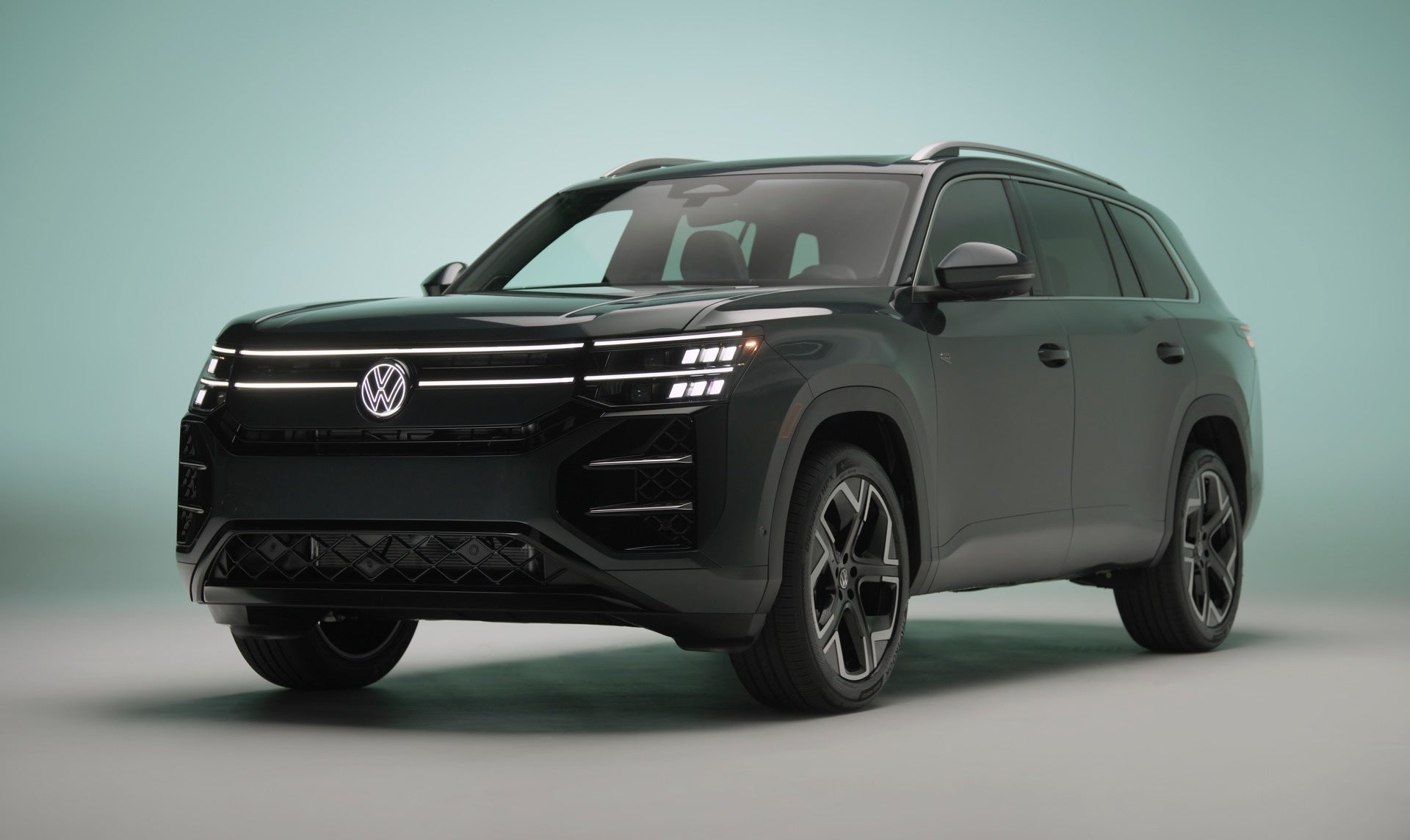
2027 Volkswagen Atlas

What's New for 2027 at Volkswagen

The 2027 model year is almost here. Along with a full lineup of SUVs, sedans, and hatchbacks, Volkswagen is also introducing two new models and reintroducing our electric microbus to the North American market. The first new vehicle coming our way is the 2027 Atlas. The completely redesigned three-row SUV is now bolder than ever. Atlas now exudes a premium feel both inside and out, thanks to a new front fascia design, upgraded interior materials, redesigned controls, and a host of great convenience, technology, and new driver assistance features. All Atlas levels are equipped with a power liftgate, rear sunshades, an auto-dimming driver's side mirror, hatch lights, and front and rear Park Distance Control as standard equipment. The IQ.DRIVE suite of driver assistance features will receive enhancements, including a predictive Adaptive Cruise Control. Under the hood is an updated 2.0-liter turbocharged engine, now rated at 282 horsepower. Fuel economy and tow ratings have yet to be finalized, but we should expect to see improvements in the former while retaining a maximum tow rating near 5,000 pounds. The new three-row 2027 Atlas will be joined by a new 2027 Atlas Cross Sport. The new two-row model will reach our showrooms slightly after its larger sibling. Details will be announced later this summer or early fall. The ID.Buzz electric bus returns for the 2027 model year, with a new Tourer model following in the footsteps of its camper van forebears. The Tourer model includes a fold-out mattress with a retractable platform, window blinds, and a table and chairs for use outdoors. To make your sleep more comfortable, a new Overnight Mode allows the ID.Buzz to recognize and accommodate passengers overnight. Every 2027 ID.Buzz also gains tactile controls on the steering wheel, enhancements to the infotainment system, and a series of premium connected services available through the In-Vehicle Premium Subscription service. These services include a simplified voice command system, myQ Connected Garage, an enhanced Travel Assist feature with more capabilities, and a gaming-based AirConsole that connects with other passengers inside the ID.Buzz. Starting with the 2027 model year, the ID.Buzz can be recharged through a North American Charging Standard (NACS) receptacle. As for the remainder of the 2027 Volkswagen lineup, there will be minor updates. The 2027 Taos will gain a Sport trim, while infotainment systems will get further enhancements across the board. The ID.4 will take a hiatus for 2027, but customers can still shop any remaining 2026 inventory until a new ID.4 is expected to arrive later this decade. Select 2027 Volkswagen models will start to arrive at Sisbarro Volkswagen starting this month. To get up to date on the latest models, contact us, and we can keep you informed on what’s available for the new model year. We still have plenty of 2026 model year vehicles available for immediate delivery as well.

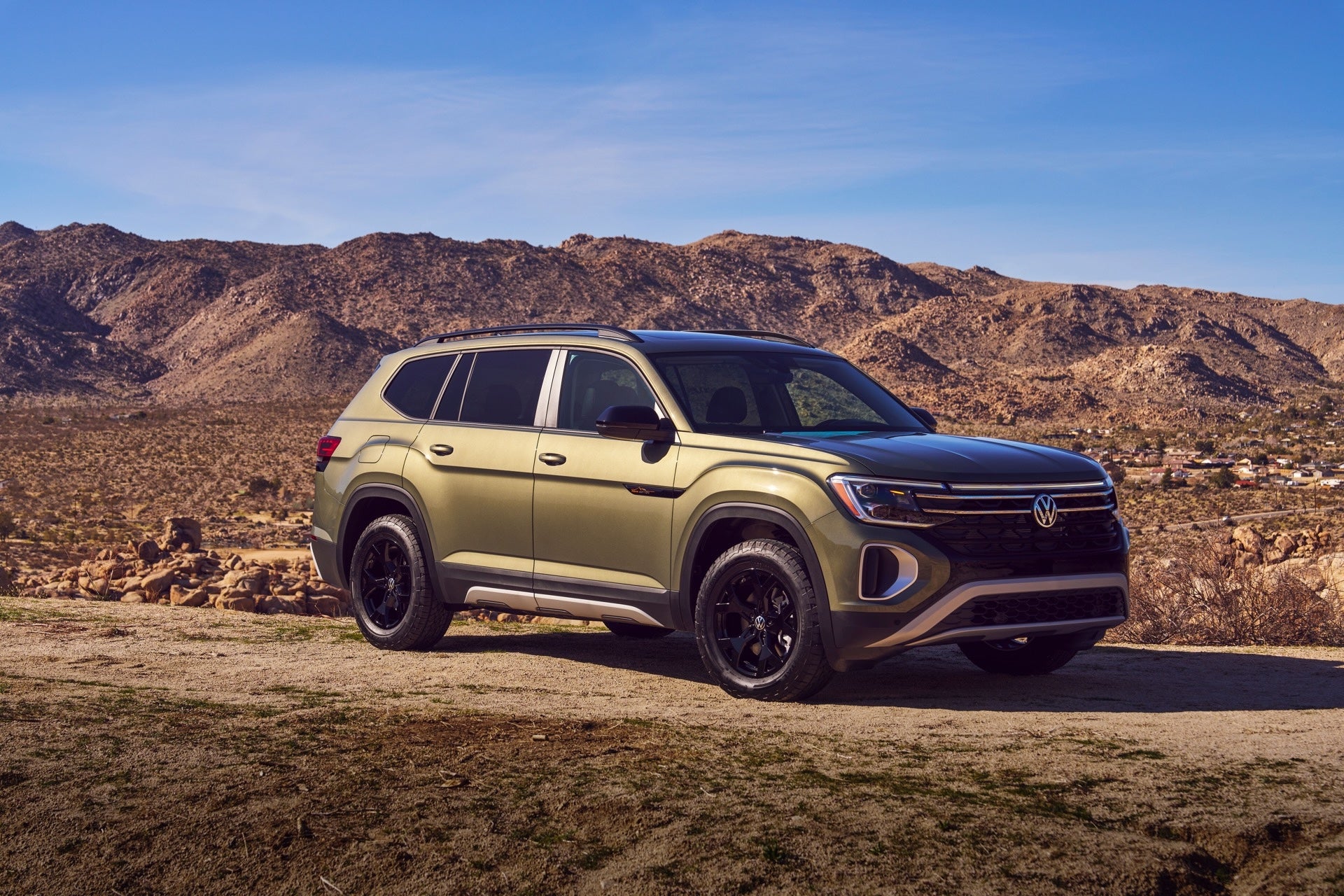
2026 Volkswagen Atlas Peak Edition

​​The 2026 Volkswagen Atlas Peak Edition is Made for New Mexico​

If your family likes to stay active outdoors – whether you're hiking, biking, camping, or exploring New Mexico's natural splendor in some other way – shouldn't your vehicle reflect your lifestyle? Is it even possible to have a vehicle that blends sporting capability with the creature comforts we expect in a daily drive. The answer is absolutely – at least when the answer is the new 2026 Volkswagen Atlas Peak Edition. The Peak Edition is exactly the kind of 2026 Atlas we want for our New Mexico lifestyle. Peak Edition revisions begin outside, where it gains a unique grille, wheel arch protection, and exterior badging to help it stand out from the rest of the Atlas lineup. Peak Edition models also gain unique 18-inch dark-finished alloy wheels, which are wrapped in all-terrain tires for added traction and composure when venturing off the beaten path. Power comes from a 2.0-liter turbocharged engine, which delivers 269 horsepower and 273 pound-feet of torque. It is coupled to an eight-speed automatic transmission, which routes power to all four wheels through the 4MOTION all-wheel-drive system. Atlas Peak Edition is also rated to tow up to 5,000 pound. Here’s something to think about when looking at the 2026 Atlas Peak Edition. If you desire to take on a dirt or gravel road, press the Mode button on the lower center stack and press the Off-Road icon on the touchscreen, effectively locking the 4MOTION system and optimizing traction at all four corners. Drivers and passengers alike will love stepping inside the Atlas Peak Edition. All four doors open wide, making entry and egress easy – and that includes passengers heading for the third row of seats, thanks to a lever-type slide-away feature on both the driver and passenger side. All three rows of seats – including either a second-row bench or captains chairs – are trimmed in unique two-tone V-Tex upholstery, and there are plenty of cupholders and USB-C charging ports throughout the interior to satiate passengers. Atlas Peak Edition provides the driver with an advanced Digital Cockpit Pro instrument cluster, which is still configured in a dual-dial format in a nod to Volkswagens of the past. The steering wheel also incorporates tactile buttons for cruise control, instrumentation, and audio controls, making it easy to adjust various settings without taking hands off the wheel. If you like information and entertainment, it is all there in the12.0-inch center touchscreen. The system offers a variety of options for audio playback and connectivity, and includes App-Connect functionality, including the ability to mirror your iPhone or Android device on the infotainment screen. But what good is an active lifestyle vehicle if there isn't any room for your active lifestyle gear? Fear not; Atlas Peak Edition provides plenty of cargo space, even with all three rows of seats in use. With all three rows upright, Atlas provides 20.6 cubic feet of space, but that grows to 55.5 cubic feet with the third row folded, and jumps again to 96.8 cubic feet with both rows folded flat. The 2026 Atlas Peak Edition is the family SUV made for New Mexico. If it sounds like it's also made for you, contact us at Sisbarro Volkswagen and check one out soon!

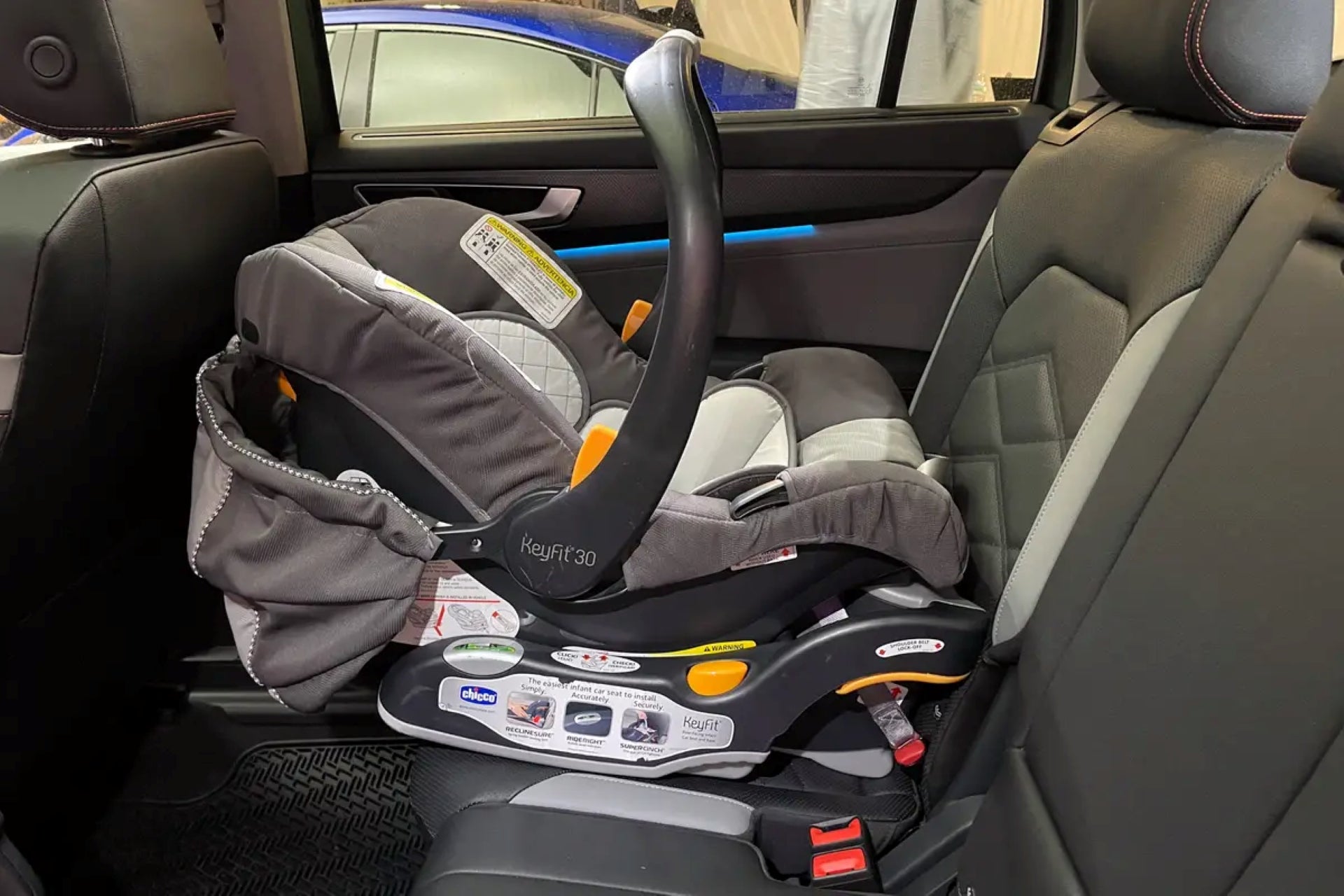
volkswagen-atlas-2026-interior-csc-01

How Well Do Car Seats Fit In a 2026 Atlas

The Volkswagen Atlas, as its name implies, is a large vehicle. The generously sized 3-row crossover was specifically designed for American families and is built in America within the Volkswagen assembly plant in Chattanooga, TN. While it's easy to assume the ample interior space and three rows of seats means the Atlas is adept at accomodating families of all sizes – including small children – Cars.com still had its child safety seat experts recently weigh in on how well the Atlas can accomodate different times of child seats. This Sisbarro Volkswagen post reports on their results. The Testers Cars.com editors Jennifer Geiger and Jennifer Newman, both certified in child safety seat installation, regularly perform these tests. Because testing every single child seat model isn't practical, they select one representative seat from each stage that best exemplifies most models in that category, and they use these seats consistently for all their testing. These seats are: Chicco KeyFit 30 infant-safety seat Graco Contender Extend2Fit 2-in-1 convertible seat (front-facing and rear-facing) Graco TurboBooster seat Seats are installed in the second row because that's where most are installed. For safety reasons, installing child seats in the front row isn't recommended when alternatives exist, mainly due to airbag deployment concerns. Infant and convertible seats are placed behind the front passenger seat, while booster seats are tested behind the driver. The driver’s seat is adjusted for an average 6-foot-tall adult, while the front passenger seat is set for a shorter person. For large families, editors also test the convertible seat in the forward-facing position in the second row to see if three child seats can fit side by side. Cars.com's assessments focus on how easy it is to access the LATCH anchor points and highlighting any potential installation difficulties. When testing rear-facing seats, editors check whether it causes the front passenger seat to be pushed forward into an impractical position. For vehicles with a third row, like the Atlas, editors also evaluate how practical it is to install seats in that row. Each test is graded from A to F, with specific criteria defining each grade: A: Plenty of room for the car seat and the child; it doesn’t impact driver or front passenger legroom. Easy to find and connect to Latch and tether anchors. No fit issues involving head restraint or seat contouring. B: One room, fit, or connection issue. C: Marginal room plus one fit or connection issue. D: Insufficient room, plus multiple fit or connection issues. F: Does not fit or is unsafe. The Atlas Results Were Almost Perfect Of the five primary tests using the second-row seats, the Atlas earned four A’s and one B. It also did very well with third-row seat installation, earning three As. The following are their verbatim comments on the results of each test. 2nd Row Latch: Grade A “ Three sets of  anchors sit in slits in the upholstery, and three clearly marked top tether anchors sit midway down the second-row seatbacks. All anchors are easy to find and use.” 2nd Row Infant Seat: Grade A “ The car seat was easy to install and there was plenty of legroom for the front passenger in front of the car seat.” 2nd Row Rear-Facing Convertible: Grade A “ The seat was easy to install, and as with the infant seat, there was plenty of legroom for the front passenger. We used the Level 2 recline angle for the rear-facing convertible.” 2nd Row Forward-Facing Convertible: Grade A “ Installation was easy, and the convertible fit well. We removed the head restraint to situate the convertible flush against the seatback, and we had no trouble connecting to the top tether anchor. We installed this car seat with the seat belt for caregivers interested in that method.” 2nd Row Booster: Grade B “ The seat fit well after we removed the head restraint to situate the booster flush against the seatback. The buckles are on short stalks, so they might be tough for kids to grasp and use independently.” Will the 2nd row fit three seats? Yes, provided the Atlas in question is equipped with the 2 nd -row bench seat instead of the available captain’s chairs. 3rd Row Access: Grade B “ The second row moved out of the way easily to create a good-size passage to the third row, and the step-in height should be manageable for small kids.” 3rd Row Forward-Facing Convertible: Grade B “ There are no lower anchors in the third row, so we again used the seat belt to install this car seat; the seat fit well after we removed the head restraint. The third row has two top tether anchors on the seatbacks; they’re clearly marked and easy to use. Legroom is tight, though, so we had to slide the second row forward a bit to share legroom.” 3rd Row Booster: Grade A The seat fit well after we removed the head restraint. The buckles are on short but stable bases, which should make them easy to find and grasp. Cars.com has performed this test on other 3-row crossovers and found that some are not very good at accommodating child seats in the third row. The Atlas is far more accommodating, giving you flexibility in your vehicle seating arrangements. If you live in the Sisbarro area and are contemplating a new vehicle to better accommodate your growing family, visit Sisbarro Volkswagen and check out one of the many 2026 Atlas models in our inventory.

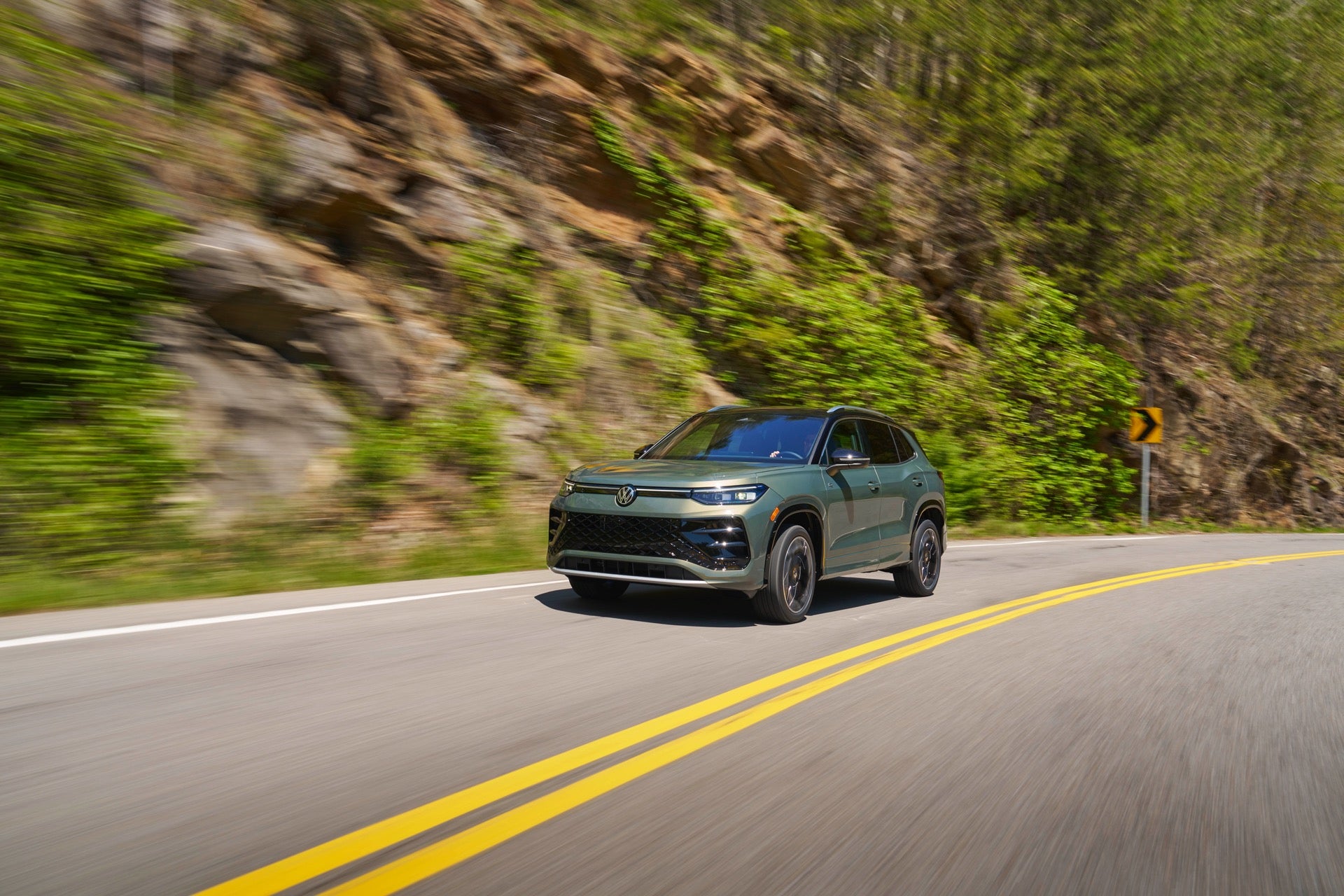
An Avocado Green 2026 Volkswagen Tiguan, Driving On The Highway Towards The Road Trip's Next Destination

​​Take a Scenic Drive in New Mexico This Year in Your Volkswagen​

We call our state of New Mexico the “Land of Enchantment.” With 121,589 square miles of diverse landscape, you can go from desert exploring to skiing and mountain climbing all within its borders. Las Cruces is just a speck on the map. Well…a huge speck in the south-central part of our state. To the north of us is a vast land that is constantly beckoning, imploring that little corner of our brain that loves to get out and drive to go take a Volkswagen on a road trip. Why not do so while exploring what New Mexico has to offer? The Trip Advisor website and app came up with a list of scenic drives you can take within hours of Las Cruces, and it suggested several interesting options, most located just north of our fair city. The Highroad to Taos Scenic Byway, to start, follows a part of New Mexico Highway 76 through the remnants of Old Spain. You get a glimpse of Spanish architecture while traversing through the mountains into Taos. Heading back, you can take the Lowroad from Taos and Santa Fe to our state’s capital. West of Santa Fe is the Jemez Mountain Trail National Scenic Byway. This takes you into the Santa Fe National Forest to the Jemez Pueblo. Along the way, there are some amazing waterfalls and hot springs that bring this mountainous loop drive to life. Keep to the north, and you’ll find another mountain loop known as the Enchanted Circle Drive. Starting in Taos, this loop encircles several alpine peaks while taking you through the history of this state and the land grant given to that area. You will pass through an old mining area that has no longer yielded its treasure. If you like a good rugged road, the Quebrados Backcountry Byway is an experience to drive. It is a 24-mile-long unpaved road that starts in Escondido off Interstate 25 to the north of us. The landscape is worth the trek along this road. This is a great experience that is closer to home. Our state is vast in size, as well as in topography. To enjoy some of these roads, you and your Volkswagen will be racking in the miles happily. We are 353 miles away from Taos, 284 miles to Santa Fe and 149 miles to the start of the Quebrados Backcountry Byway in Escondido. If you are up for an adventure, make sure your Volkswagen is ready to tackle the miles getting there and on these great roads. Before you go, make an appointment to bring your vehicle into the service center at Sisbarro Volkswagen for a thorough fluid check – including an oil change – and other inspections to make sure your Volkswagen is road trip ready. Our service center is still open during construction.

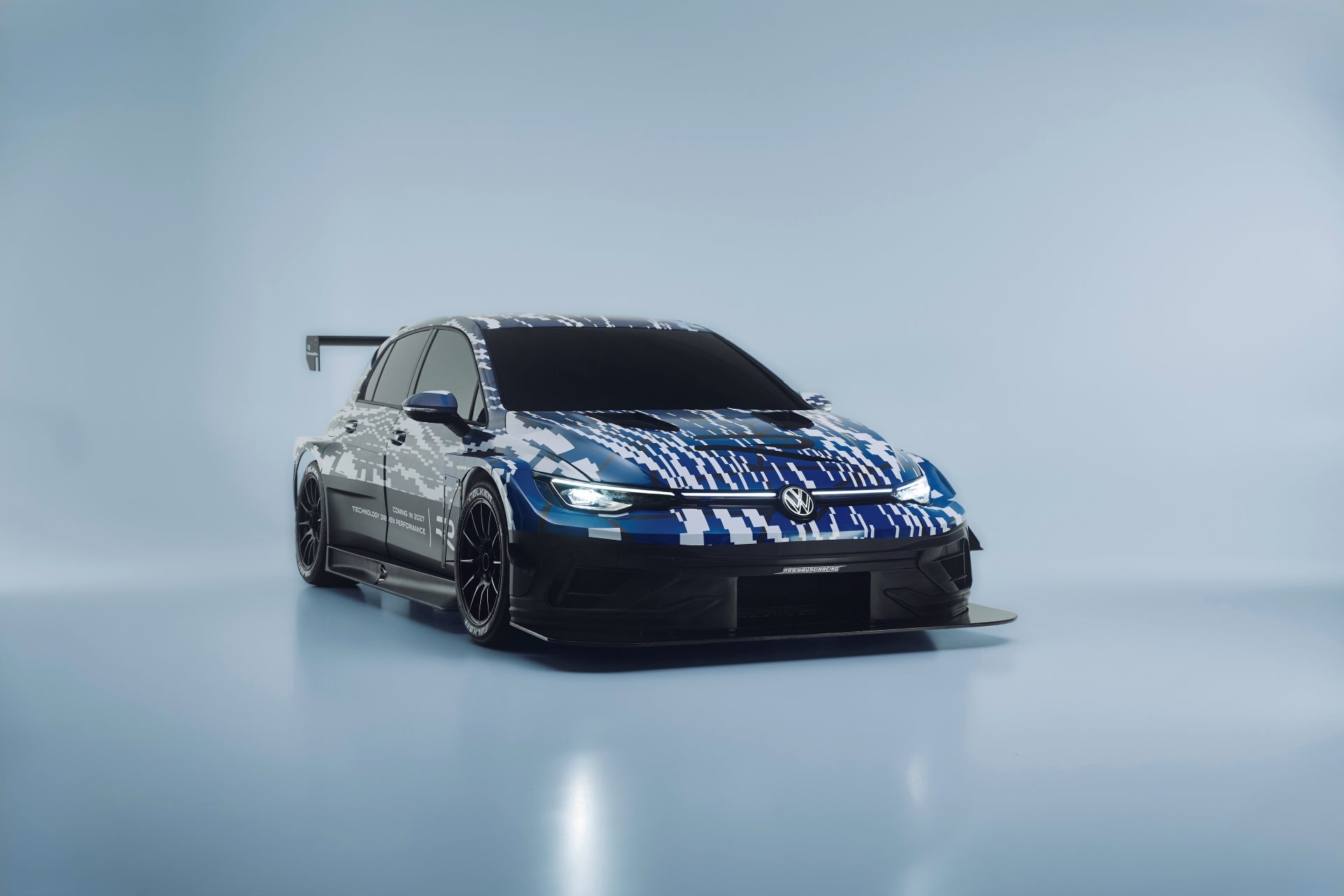
The Swift And High-Performance Racing Car, The Volkswagen Golf R, Pictured And Parked Epically

Golf R to enter the 24h Nürburgring in 2027

Remember the original Volkswagen Golf R32? When first introduced in 2002, it stole the spotlight (and became the brand’s highest-performance offering) by packing a 3.2-liter VR6 engine, 4MOTION all-wheel drive, and a direct-shift DSG transmission into a compact hatchback form. To celebrate the 25 th anniversary of this performance legend, Sisbarro Volkswagen is pleased to announce that Volkswagen is taking the Golf R racing by competing in the 2027 Nürburgring 24-hour endurance race in 2027. Volkswagen says the R in Golf R (and R32) stands for “racing.” Indeed Volkswagen R models have a storied history on race tracks, including four Rally World Championship titles with the Polo R WRC and several electric records with the ID.R sports car. “The 24h Nürburgring is the toughest test for us under real competitive conditions,” says Reinhold Ivenz, Head of Volkswagen R. “The Nürburgring is also our test and development track, and we will meet people at the 24h race who share our passion for performance – which is why the project is a perfect match for Volkswagen R.” Although the Golf R is the best-known Volkswagen R model in the U.S., but there have been several other R variants in other markets, including the aforementioned Polo R,  Arteon R sedan, and Tiguan R crossover. While road-going Volkswagen R models have long been known for their understated and restrained design, their race-spec counterparts, however, can be much more overt, with dramatic modifications made to rear wings, ground effects, and other body components in order to optimize drag, increase downforce, and improve engine cooling. So far, Volkswagen has only previewed the Nürburgring racing vehicle with the Golf R 24H show car that was revealed to the public at the Ring Boulevard of Nürburgring.  Max Kruse Racing, which has a long relationship with Volkswagen, has been tapped to build the Golf R Nürburgring racer. "With the Golf R 24H show car, we are making our vision for 2027 tangible at an early stage. The preparatory work for the real racing car has already begun. Even though we don’t want to reveal much about the technology yet: fans of the 24h Nürburgring can look forward to the most spectacular Golf R to date,” continues Reinhold Ivenz. As always, innovations and technologies developed for racing tend to trickle down into production vehicles. The date of the 2027 24h Nürburgring has not yet been confirmed, though speculation places the race weekend on May 27–30. German engineering and innovation for practical use can be seen and felt in every model Volkswagen makes, as in the Tiguan, which was the runaway winner in an eight-compact-crossover comparison by Cars.com. Volkswagen builds winners, and we invite you to see them at Sisbarro Volkswagen in Las Cruces, NM.

Contact Us

Fill out this form below and we'll contact you shortly
*Required Fields