

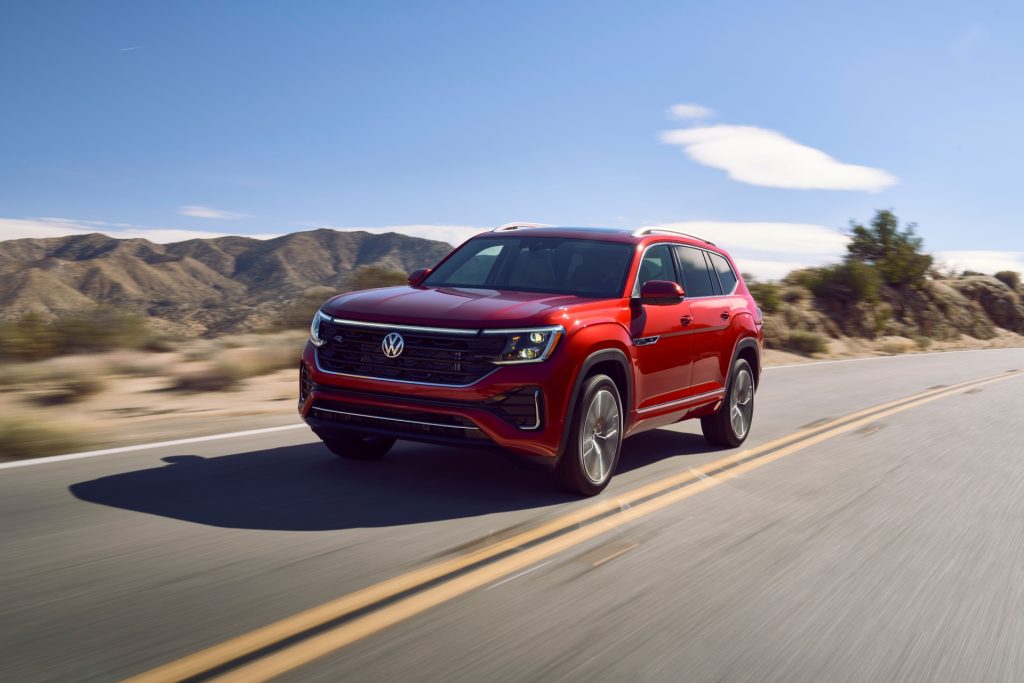
The Volkswagen Atlas, as its name implies, is a large vehicle. The generously sized 3-row crossover was specifically designed for American families and is built in America within the Volkswagen assembly plant in Chattanooga, TN. While it’s easy to assume the ample interior space and three rows of seats means the Atlas is adept at accomodating families of all sizes – including small children – Cars.com still had its child safety seat experts recently weigh in on how well the Atlas can accomodate different times of child seats. This Sisbarro Volkswagen post reports on their results.
The Testers
Cars.com editors Jennifer Geiger and Jennifer Newman, both certified in child safety seat installation, regularly perform these tests. Because testing every single child seat model isn’t practical, they select one representative seat from each stage that best exemplifies most models in that category, and they use these seats consistently for all their testing. These seats are:
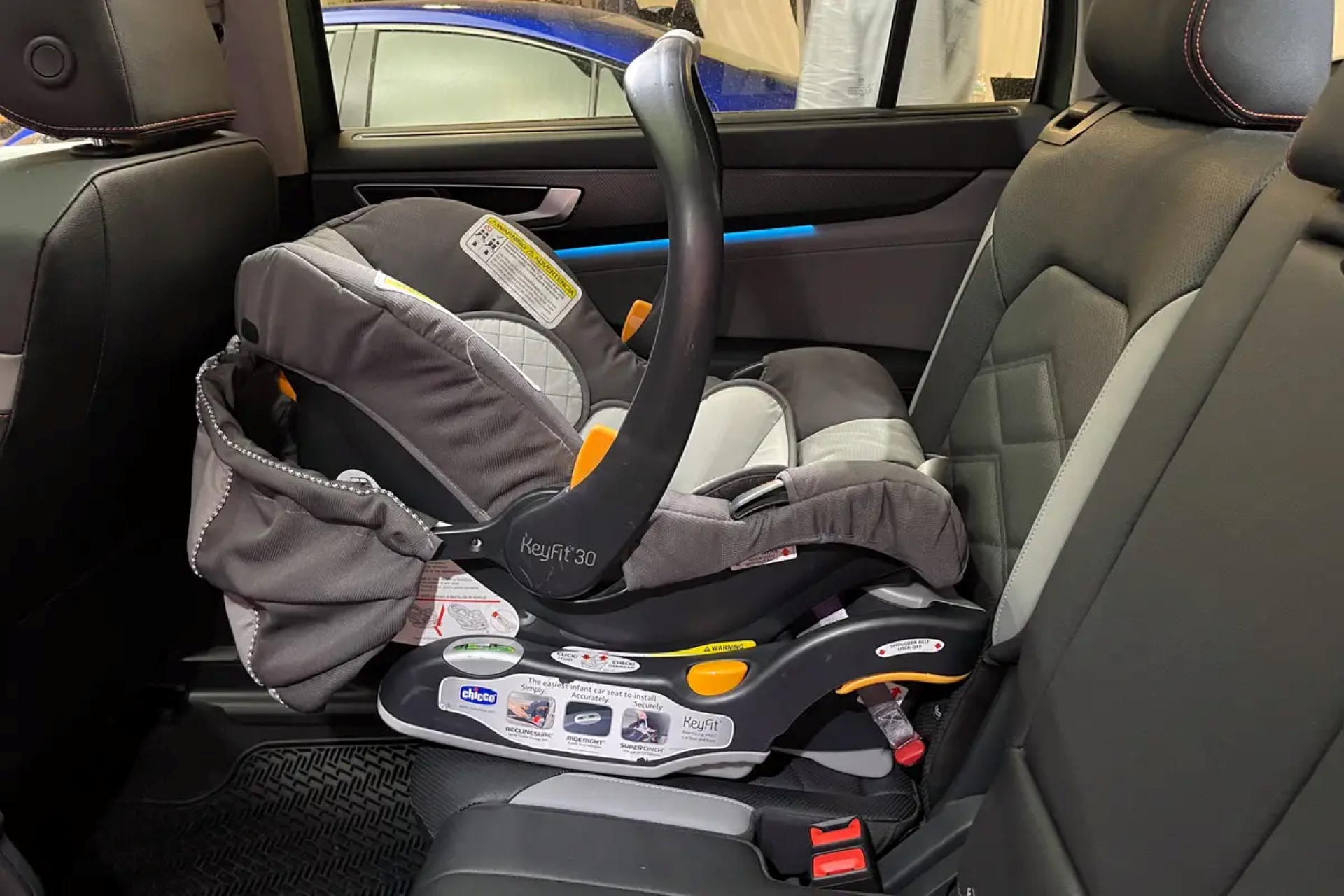
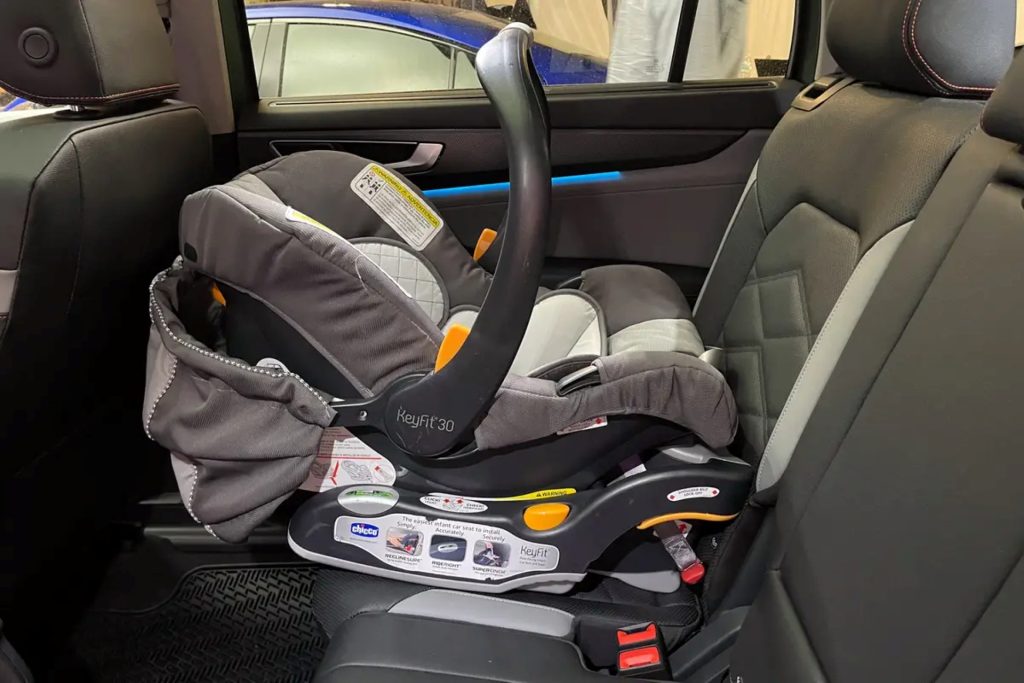
- Chicco KeyFit 30 infant-safety seat
- Graco Contender Extend2Fit 2-in-1 convertible seat (front-facing and rear-facing)
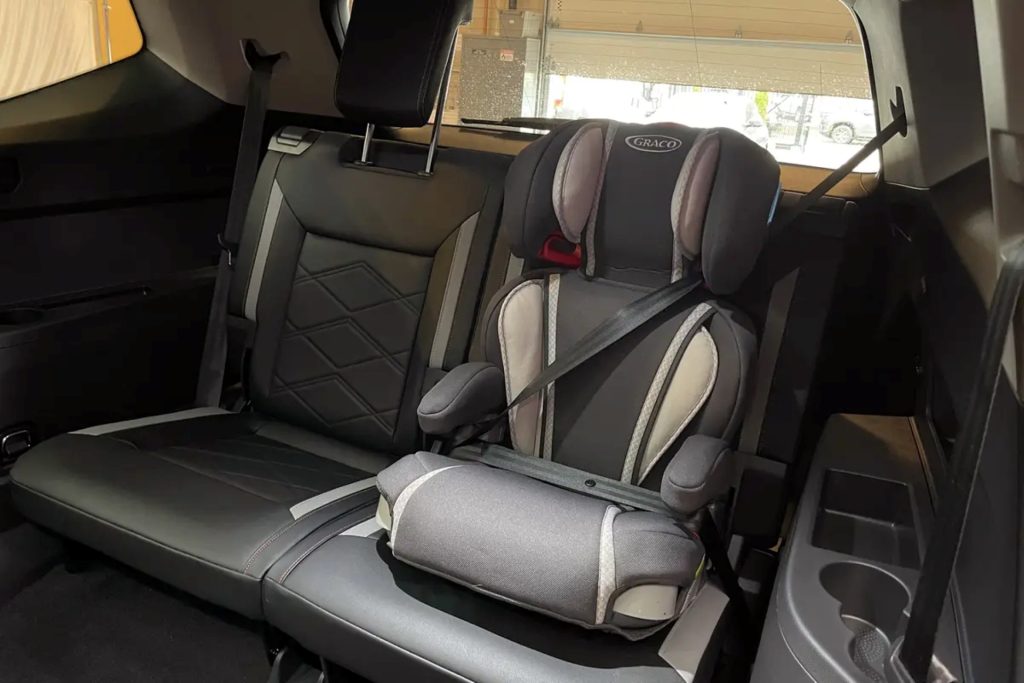
- Graco TurboBooster seat
Seats are installed in the second row because that’s where most are installed. For safety reasons, installing child seats in the front row isn’t recommended when alternatives exist, mainly due to airbag deployment concerns. Infant and convertible seats are placed behind the front passenger seat, while booster seats are tested behind the driver. The driver’s seat is adjusted for an average 6-foot-tall adult, while the front passenger seat is set for a shorter person.
For large families, editors also test the convertible seat in the forward-facing position in the second row to see if three child seats can fit side by side. Cars.com’s assessments focus on how easy it is to access the LATCH anchor points and highlighting any potential installation difficulties.
When testing rear-facing seats, editors check whether it causes the front passenger seat to be pushed forward into an impractical position. For vehicles with a third row, like the Atlas, editors also evaluate how practical it is to install seats in that row. Each test is graded from A to F, with specific criteria defining each grade:
A: Plenty of room for the car seat and the child; it doesn’t impact driver or front passenger legroom. Easy to find and connect to Latch and tether anchors. No fit issues involving head restraint or seat contouring.
B: One room, fit, or connection issue.
C: Marginal room plus one fit or connection issue.
D: Insufficient room, plus multiple fit or connection issues.
F: Does not fit or is unsafe.
The Atlas Results Were Almost Perfect
Of the five primary tests using the second-row seats, the Atlas earned four A’s and one B. It also did very well with third-row seat installation, earning three As. The following are their verbatim comments on the results of each test.
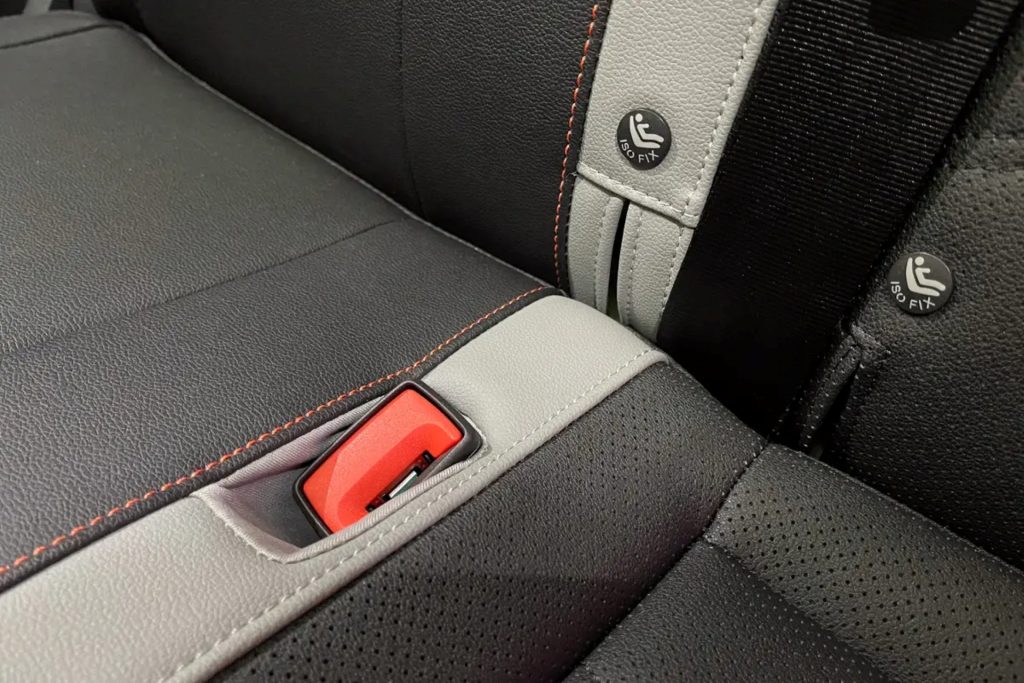
2nd Row Latch: Grade A
“Three sets of [LATCH] anchors sit in slits in the upholstery, and three clearly marked top tether anchors sit midway down the second-row seatbacks. All anchors are easy to find and use.”
2nd Row Infant Seat: Grade A
“The car seat was easy to install and there was plenty of legroom for the front passenger in front of the car seat.”
2nd Row Rear-Facing Convertible: Grade A
“The seat was easy to install, and as with the infant seat, there was plenty of legroom for the front passenger. We used the Level 2 recline angle for the rear-facing convertible.”
2nd Row Forward-Facing Convertible: Grade A
“Installation was easy, and the convertible fit well. We removed the head restraint to situate the convertible flush against the seatback, and we had no trouble connecting to the top tether anchor. We installed this car seat with the seat belt for caregivers interested in that method.”
2nd Row Booster: Grade B
“The seat fit well after we removed the head restraint to situate the booster flush against the seatback. The buckles are on short stalks, so they might be tough for kids to grasp and use independently.”
Will the 2nd row fit three seats?
Yes, provided the Atlas in question is equipped with the 2nd-row bench seat instead of the available captain’s chairs.
3rd Row Access: Grade B
“The second row moved out of the way easily to create a good-size passage to the third row, and the step-in height should be manageable for small kids.”
3rd Row Forward-Facing Convertible: Grade B
“There are no lower anchors in the third row, so we again used the seat belt to install this car seat; the seat fit well after we removed the head restraint. The third row has two top tether anchors on the seatbacks; they’re clearly marked and easy to use. Legroom is tight, though, so we had to slide the second row forward a bit to share legroom.”
3rd Row Booster: Grade A
The seat fit well after we removed the head restraint. The buckles are on short but stable bases, which should make them easy to find and grasp.
Cars.com has performed this test on other 3-row crossovers and found that some are not very good at accommodating child seats in the third row. The Atlas is far more accommodating, giving you flexibility in your vehicle seating arrangements. If you live in the Sisbarro area and are contemplating a new vehicle to better accommodate your growing family, visit Sisbarro Volkswagen and check out one of the many 2026 Atlas models in our inventory.
Connect with us


- July 2026
- June 2026
- May 2026
- April 2026
- March 2026
- February 2026
- January 2026
- December 2025
- October 2025
- September 2025
- April 2025
- February 2025
- November 2024
- September 2024
- August 2024
- July 2024
- June 2024
- May 2024
- April 2024
- March 2024
- February 2024
- January 2024
- December 2023
- November 2023
- October 2023
- September 2023
- August 2023
- July 2023
- June 2023
- May 2023
Archives
- Awards and Recognition
- Comparison
- Electric Vehicle
- Events
- Features
- Finance
- Golf GTI
- Golf R
- Informative
- Las Cruces Used Cars
- Las Cruces Volkswagen Dealer
- Las Cruces Volkswagen Service
- New Inventory
- News
- Pre-Owned Inventory
- Review
- Safety
- Sedan
- Service
- Sisbarro Autoworld Volkswagen Service
- Specs
- SUV
- Technology
- Towing
- Uncategorized
- Volkswagen
- Volkswagen Atlas
- Volkswagen Atlas CrossSport
- Volkswagen ID.4
- Volkswagen ID.Buzz
- Volkswagen Jetta
- Volkswagen Jetta GLI
- Volkswagen Jetta Sport
- Volkswagen New Cars
- Volkswagen Taos
- Volkswagen Tiguan