
Blog / Electric Vehicle

​​The 2027 ID.Buzz Arrives This Fall​

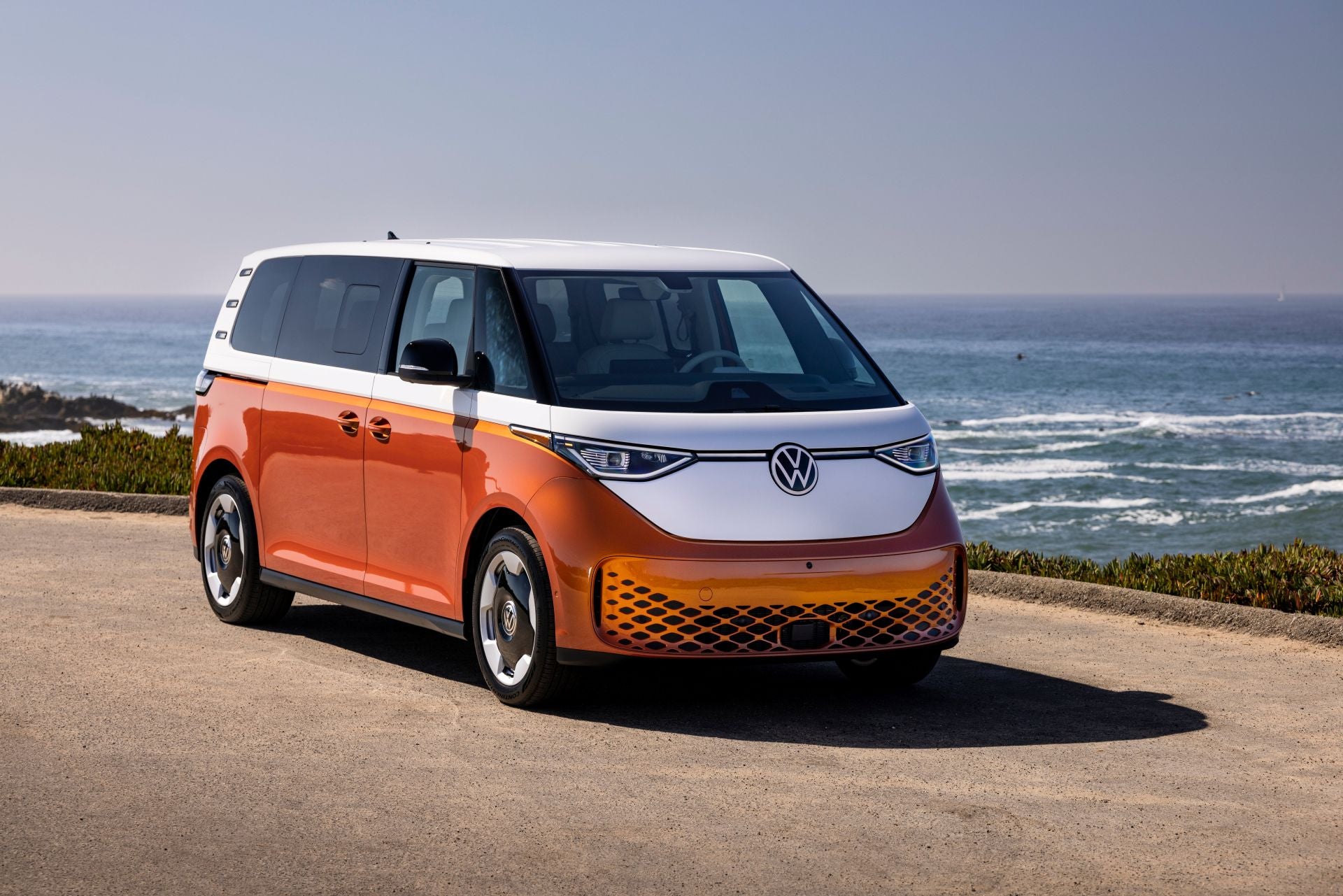
The Volkswagen ID.Buzz Shining On The Coastline, In View Of A Sea To The Horizon

Reports of a pause in production of the Volkswagen ID.Buzz have been greatly exaggerated. At least according to Volkswagen CEO, saying to the press, “We just skip the model year ‘26 with the ID. Buzz. We just go directly from ‘25 to ‘27. Against other rumors, there’s a consistent offer in the market.” 

Trim Levels 

The Volkswagen ID.Buzz debuted in late 2024 as a 2025 model and has a 91-kWh battery with either rear- or 4Motion all-wheel drive. It is currently available in Pro S, Pro S Plus, Pro S Plus with 4Motion, 1st Edition, and 1st Edition with 4Motion. 
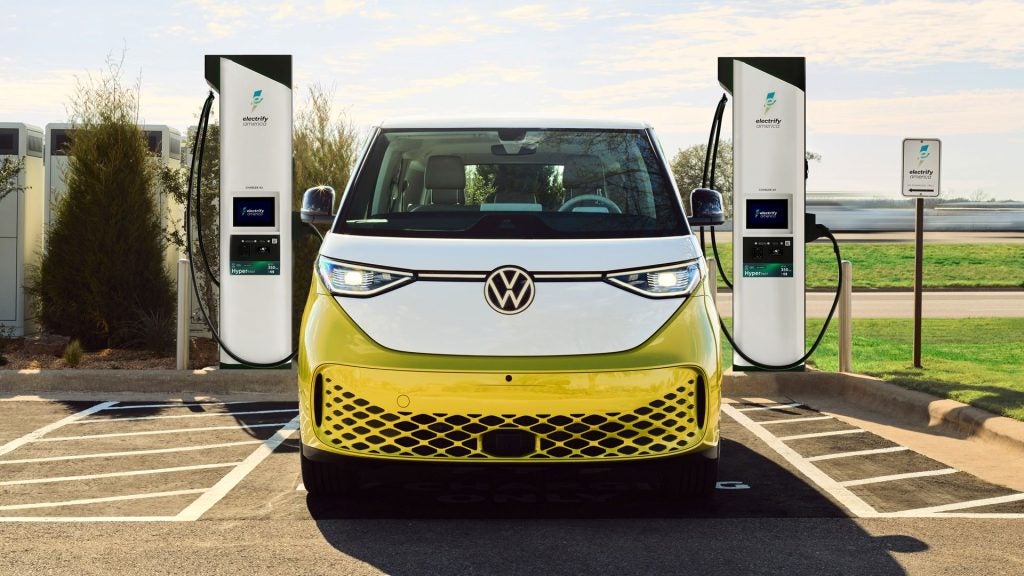
The Electric ID. Buzz Parked Peacefully At A Cool Charging Station

Plenty of Power and Range 

Rear-wheel-drive models have 282 horsepower and can go 234 miles between charges. Stepping up to 4Motion all-wheel drive gets you 335 horsepower along with a range of 231 miles. Many EVs that add horsepower and AWD tend to have far less range. However, ID.Buzz proves you can get power and performance without sacrificing daily usability.  

A Happy Family In The Spacious Cargo Area Of The Stellar ID.Buzz

A Van Is Optimal for Space and Fun 

Minivans are not as popular as SUVs, but there is no doubting the amount of usable space a van offers compared to an SUV. The ID.Buzz, though, is nothing like a traditional minivan. This Volkswagen EV is a van that’s cool in every way possible. Behind the third row of seats, owners will have 18.6 cu-ft of cargo space that becomes 75.5 cu-ft when the last row of seats is folded, which grows even more rapidly to 145.5 cubic feet when all rows are folded flat. This outdoes most SUVs while still being retro and cool to drive and ride in.  
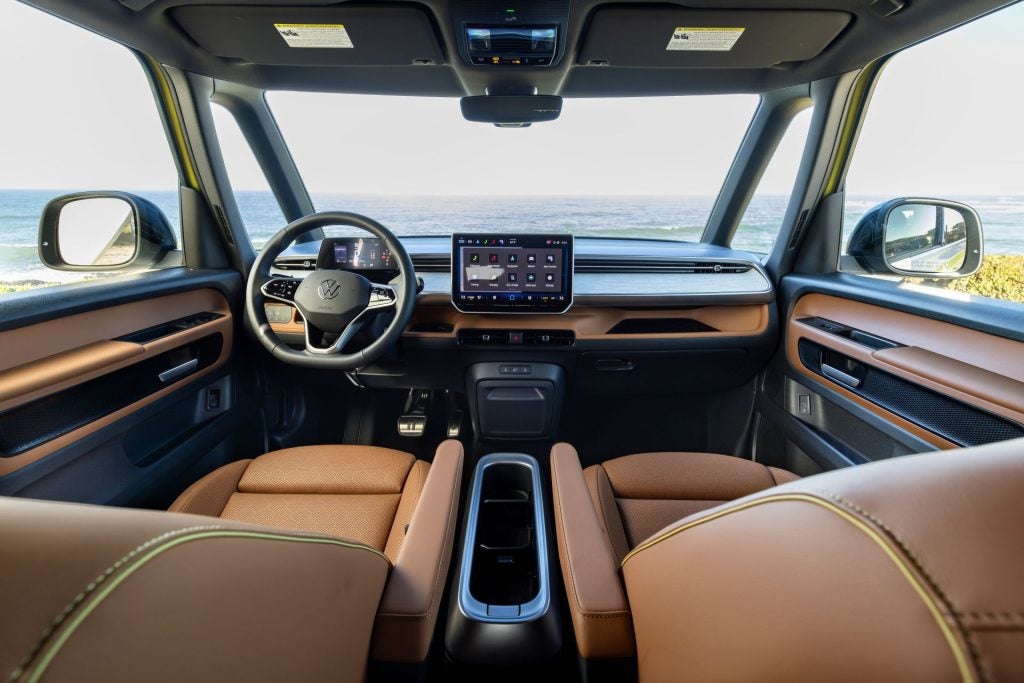
The Leather Upholstered And Technologically Sleek Interior Of The Terrific Volkswagen ID.Buzz

The American ID.Buzz is Special 

The ID.Buzz in Europe offers a short-wheelbase model, but all models in the United States only offer a long wheelbase, which is not only better for the American market; it’s also what buyers prefer because of the extra space it offers. Buyers can also option the ID.Buzz with second row captain’s chairs. Drivers and riders alike will appreciate the 14-speaker Harmon Kardon sound system that delivers clear, clean audio for podcasts, satellite radio, and your favorite music. The configurable 30-color ambient lighting setup offers a unique way to make the interior of your ID.Buzz reflect your personality and emotions. The head-up display system uses a set of cameras that provide a 360-degree viewing angle, allowing you to see all around the vehicle. Standard on all models is a 12.9-inch touchscreen infotainment system, too.  
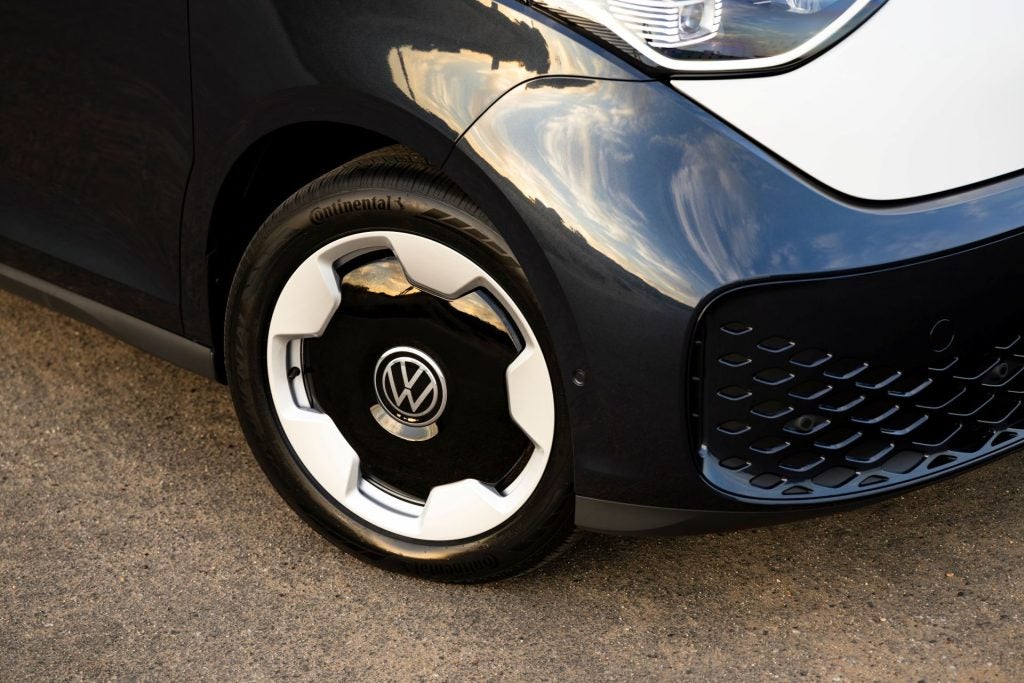
The Sleek Black And White Wheel Of The Fashionable Volkswagen ID. Buzz

Excellent Standard Safety Equipment 

Going along with the great features and tech, the ID.Buzz comes standard with IQ.Drive, the brilliant driver assistance system that includes Travel Assist, Adaptive Cruise Control (ACC), Active Blind Spot Monitor, Rear Traffic Alert, Front Assist, Emergency Assist, and Lane Assist. 
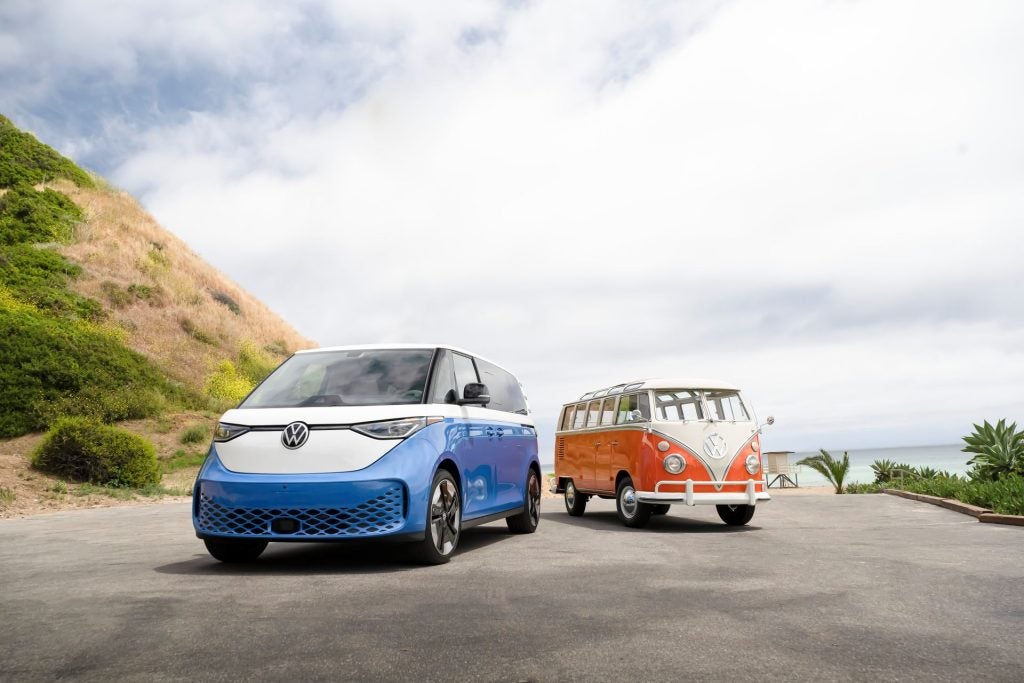
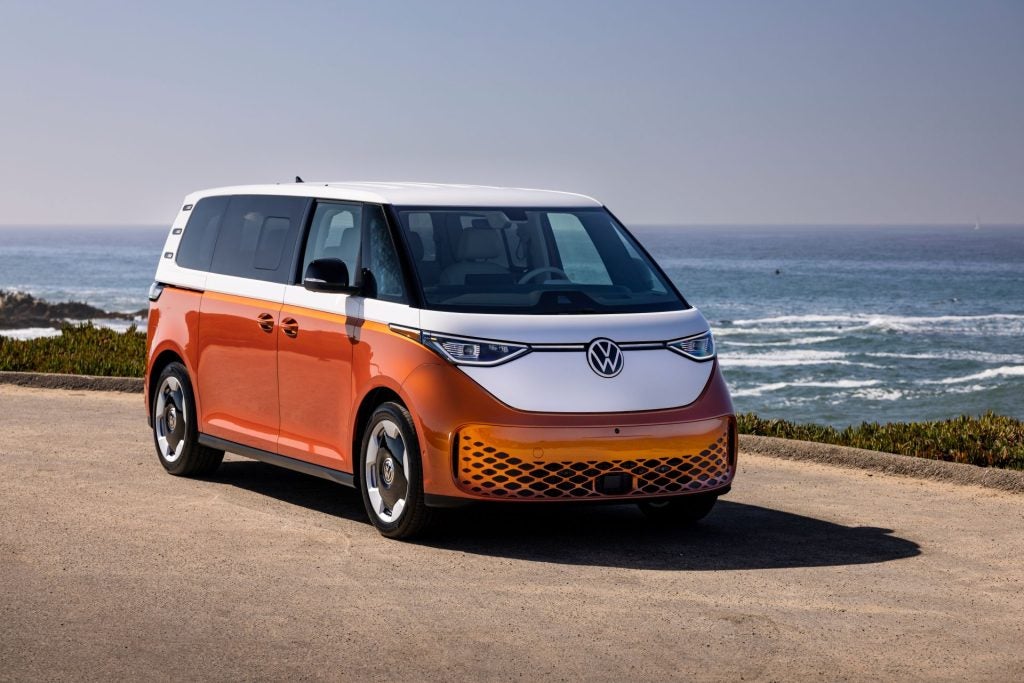
Two Beautiful Versions Of The Volkswagen ID.Buzz, Parked Side By Side, Near The Coast

Is VW Bringing a Camper Version To America? 

Volkswagen has said that there have been internal discussions about offering a camper-style version of the ID.Buzz in America. Currently, production of the 2027 model will start in the summer of 2026, with dealers like Sisbarro Volkswagen receiving new models in the fall.  
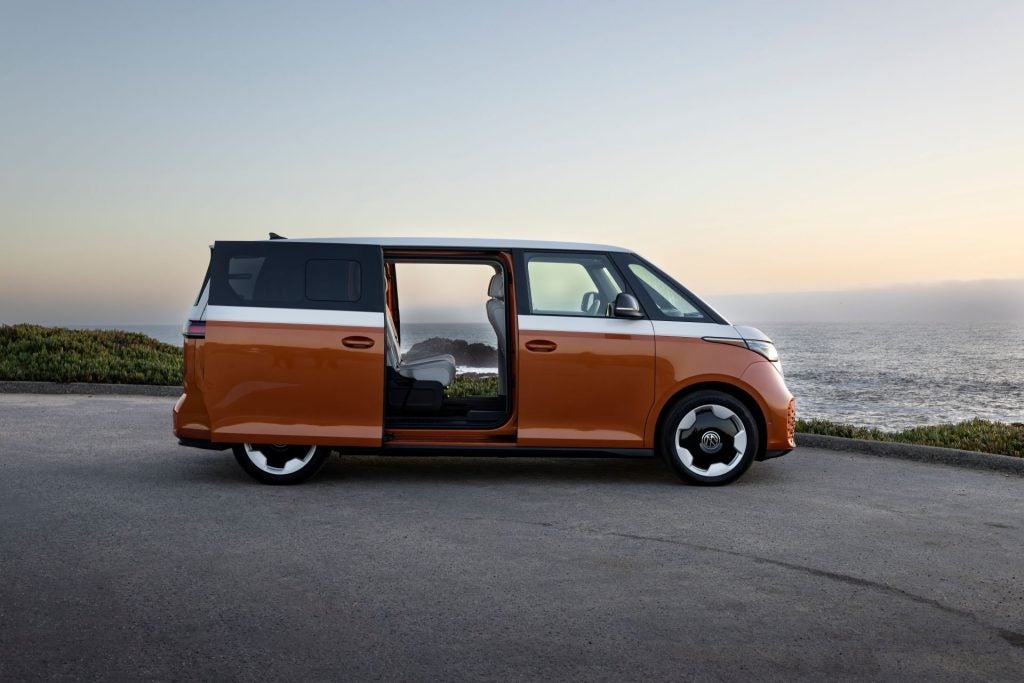
The Sleek Volkswagen ID. Buzz With Its Rear Doors Open, On Edge Of A Hill, With A Glittering Ocean In The Distance

Sisbarro Volkswagen Can Help You 

If you are interested in an ID.Buzz, or want to learn more about it, Sisbarro Volkswagen can answer all your questions and order a new 2027 model if they don’t currently have any available. The helpful sales team can also work with you to get the best price on any new or used vehicle, as well as a great trade-in value for your current vehicle. 

Why Choose Sisbarro Volkswagen  

The summer temperatures are rising, and so are the specials at Sisbarro Volkswagen. Sisbarro Volkswagen is proud to offer the best prices and services on both new and used Volkswagen models. Our sales team will work to find you the car you want, and our finance department will help you get the best possible price. When it’s time to service your car, our service department will work hard to ensure your car or SUV receives the best care imaginable.   

We thank you for trusting us, and we look forward to serving you soon. 
Posted in:

Related Posts

2027 Volkswagen ID. Buzz parked at El Paso International Airport short-term lot

Volkswagen ID. Buzz for El Paso International Airport Runs: Charging, Range, and Parking Questions

The good news is that the Las Cruces-to-ELP round trip sits well inside the EPA-rated range of the Volkswagen ID. Buzz, and you won't need to touch a charger at the airport for most trips. The flip side matters too. Park for more than a day or two and the airport's on-site charging setup won't save you, so you'll want to plan for that before you leave the driveway. That covers the bottom line, and here's the full play. Browse the Volkswagen ID. Buzz at Sisbarro Volkswagen Where Do You Park, and When Do You Need to Arrive? For a quick pickup you'll want the short-term lot right out front, and for a multi-day stay the on-site long-term lots take over, though those long-term lots carry no EV chargers at all, so you'll charge before you arrive rather than at the terminal. El Paso International Airport (ELP) sits at 6701 Convair Road, about 4 miles northeast of downtown El Paso, which puts it roughly 45 to 50 miles from Las Cruces via I-10. The drive itself is dead-simple. The airport runs compact by major-hub standards, but the parking picture has a few layers worth knowing before you pull in. Arrive By Best Lot ID. Buzz Fit Note Key Tip Drop-off only (under 10 min) Short-term lot, front of terminal Sliding doors make loading fast; pull forward to stay clear of traffic First 10 minutes are free 1-2 hours (pickup / waiting) Short-term lot Blink Level 2 chargers in this lot near the exit; 4 stalls available Good for a short top-up while waiting 1-3 days Long-term lots (on-site) No EV chargers in long-term; plan your charge before you arrive Two long-term lots; 5,738 total spaces on property 4+ days Long-term lots or off-site Off-airport shuttles run to the terminal; van-sized vehicles fit easily Leave with a full charge from home Running late (under 30 min to flight) Short-term or Premium Reserved Premium Reserved is covered and closest to the main entrance Don't rely on finding a spot at drop-off in peak periods The short-term lot sits directly in front of the main terminal, and the Premium Reserved area is covered. For a van the size of the ID. Buzz, those sliding rear doors are a genuine advantage in the tighter bays. You won't swing a wide door arc into the neighboring car's side panel. On a packed lot, that pays off. The Maneuvering and Fit Picture The Volkswagen ID. Buzz is a long-wheelbase three-row van, and it's bigger than it looks in photos, which means the size helps you in some airport bays and costs a little patience in others. Knowing where each shows up saves you the hassle. See current ID. Buzz availability In a tight bay, the sliding rear doors let passengers load and unload without drama. The upright greenhouse and large windows give genuinely good outward visibility, which helps when you're inching into a space with traffic behind you. Where the Buzz asks for patience is a covered or low-clearance structure. The Premium Reserved area is covered but surface-level, so clearance isn't a concern there. Multi-story garages at other spots in El Paso are where you'd want to verify height limits before committing. Explore financing options for the Volkswagen ID. Buzz For the I-10 run from Las Cruces, the van is genuinely comfortable. Three rows, climate control, quiet cabin. The person you're picking up from baggage claim will appreciate it more than they would a sedan. Insider note: The boxy shape of the ID. Buzz is aerodynamically honest. Volkswagen rates the EPA range at 234 miles for the rear-wheel-drive model and 231 miles for the 4Motion all-wheel-drive, and those figures hold up well at I-10 highway speeds because Volkswagen tuned the platform for real-world family driving, not wind-tunnel numbers alone. At about 95-100 miles total, a Las Cruces-to-ELP round trip leaves you with substantial range margin, so you're not sweating the return leg. Etiquette note: At ELP's short-term Blink stalls, the 4 charging terminals are shared among all EV drivers. If you're just picking someone up and don't need a charge, leave the stalls free for someone who does. It's a small lot and a short list of chargers. Before You Go: The Print-and-Go Checklist A good airport run in the ID. Buzz isn't complicated, and you won't need a charger at ELP for a short stay, but a little prep before you roll out of Las Cruces is what keeps the day seamless. Charge at home, confirm your lot, and mind the I-10 traffic. The rest takes care of itself. [ ] Charge to at least 80% at home the night before (the round trip runs around 95-100 miles; 80% gives you plenty of buffer) [ ] If you own a 2027 ID. Buzz, verify your NACS adapter is in the vehicle (Volkswagen confirmed standard NACS ports on 2027 models, opening Tesla Supercharger access along the I-10 corridor) [ ] Check the ELP parking map at elpasointernationalairport.com before you leave so you know which lot you're targeting [ ] For stays of 3 days or more, plan to charge at home or a nearby DC fast charger before your return drive, not at the airport (ELP's on-site stalls are Level 2 Blink units at 4 terminals in the short-term lot; they add range slowly, not rapidly) [ ] Use the three-zone Climatronic climate control to pre-condition the cabin while still plugged in at home on hot September days; that protects your range for the highway run [ ] If you're dropping someone off, account for departure-day morning traffic on I-10 through Anthony and the outskirts of El Paso [ ] For multi-day parking, confirm long-term lot availability on the ELP website ahead of peak travel weekends Schedule a pre-trip service check at Sisbarro Volkswagen The Volkswagen ID. Buzz handles this corridor naturally. Las Cruces to ELP is exactly the trip you'll want this vehicle for. A manageable distance, a family to move, and cargo to load without wrestling a hatch. Point the ID. Buzz at ELP and go enjoy the drive. By the Sisbarro Volkswagen Team | September 2026 Schedule a Pre-Trip Service Check Sisbarro Volkswagen 1115 S Valley Dr, Las Cruces, NM 88005 (575) 319-9131

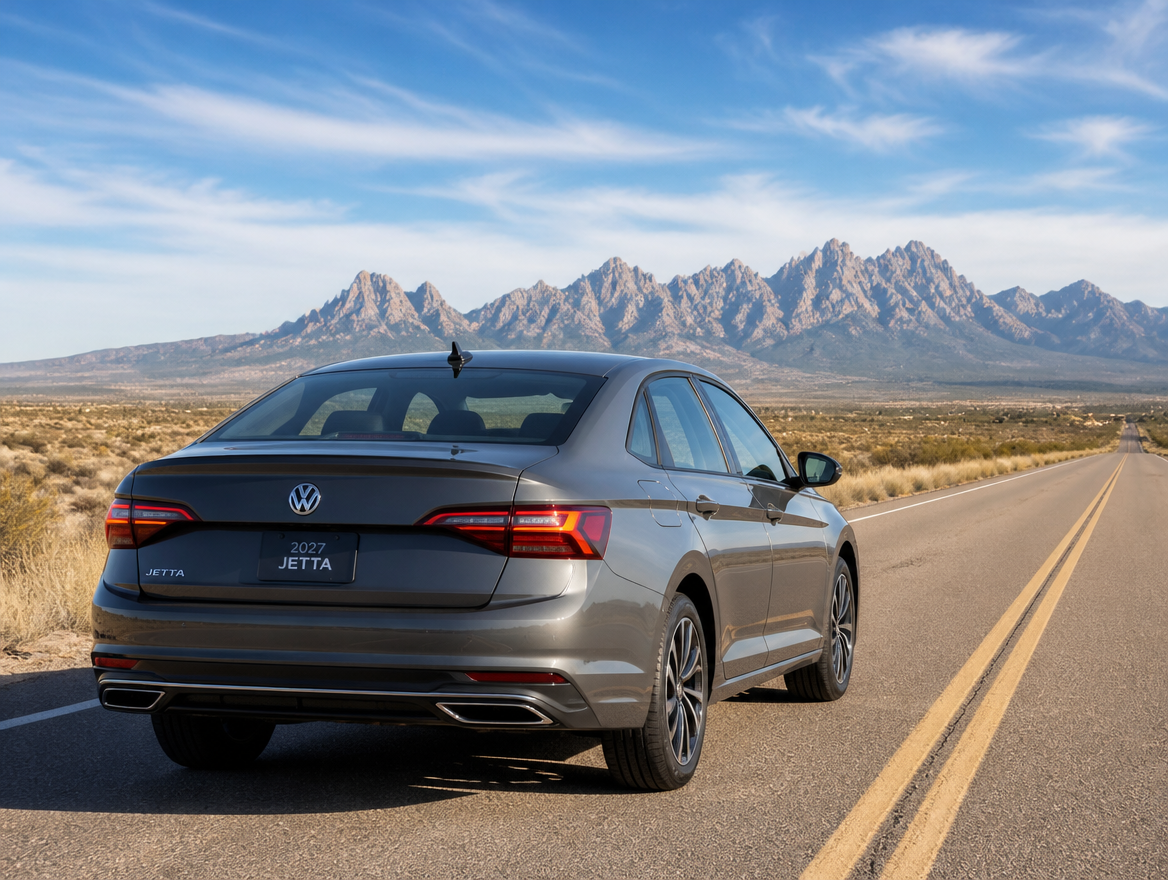
2027 Volkswagen Jetta driving on a New Mexico desert highway with the Organ Mountains in the background

Volkswagen Jetta Fuel-Economy Guide for Long-Distance New Mexico Driving

Las Cruces sits at the crossroads of I-10 and I-25. Convenient for plenty of reasons, and costly in one way, because every meaningful destination in New Mexico means you've actually got to drive there. Albuquerque is 225 miles north. Santa Fe pushes 290. White Sands is under an hour east on US-70, but if you're making a day of it, you're already thinking about the next stop after that. Skip the spreadsheet if you're already sold on a 2027 Volkswagen Jetta. The EPA rates it at 40 mpg on the highway, paired with a 13.2-gallon tank. On paper, that's a theoretical highway range of up to 528 miles before you're running on fumes. In practical New Mexico driving, that means Las Cruces to Albuquerque and back. Roughly 450 miles round-trip. On close to a single tank of regular 87-octane gasoline. A number worth knowing before you start planning road trips around this car. Will It Go the Distance? Yes, it'll go the distance with room to spare on most New Mexico runs out of Las Cruces, though the longest single legs like the Santa Fe push will have you dipping past the halfway mark on the tank before you roll into town. The table below maps the real routes against the EPA figures. The EPA rates all four standard 2027 Volkswagen Jetta trims (S, Sport, SE, SEL) at 29 mpg city and 40 mpg highway. The S trim earns a 34 mpg combined rating, and the Sport, SE, and SEL each come in at 33 mpg combined. They all run on regular 87-octane fuel. Route from Las Cruces Approx. Distance (miles) Estimated Fuel Used (at 40 mpg hwy) Fuel Stops Needed Las Cruces to El Paso, TX (I-10 south) ~45 miles one-way ~1.1 gallons None Las Cruces to White Sands (US-70 east) ~52 miles one-way ~1.3 gallons None Las Cruces to Truth or Consequences (I-25 north) ~75 miles one-way ~1.9 gallons None Las Cruces to Socorro (I-25 north) ~148 miles one-way ~3.7 gallons None Las Cruces to Albuquerque (I-25 north) ~225 miles one-way ~5.6 gallons None (half tank) Las Cruces to Santa Fe (I-25 north) ~290 miles one-way ~7.3 gallons None (just over half tank) Las Cruces to Albuquerque and back (round-trip) ~450 miles ~11.3 gallons 0-1 depending on start All fuel estimates calculated at the EPA highway figure of 40 mpg (S trim); 13.2-gallon tank capacity per the published specifications of Volkswagen. One thing the table leaves out is New Mexico's elevation gradient. Las Cruces sits at roughly 3,900 feet above sea level, while Albuquerque climbs to about 5,300 feet. Driving north on I-25, you gain real altitude over those 225 miles, and a turbocharged engine like the 1.5L TSI has to work a little harder on grades that wouldn't register in Kansas. So your real-world highway number heading north will likely sit a touch below 40 mpg on the climb and a touch above on the return. Plan for 37 to 39 mpg on that northbound leg and the math still works out fine. Browse 2027 Volkswagen Jetta inventory at Sisbarro Volkswagen How to Maximize Every Gallon on the Long Drive The EPA figure comes from a controlled test cycle, so treat it as a strong baseline you can plan around, knowing that real speeds, real wind, and real elevation all pull it in both directions out here. A handful of factors move the needle on a New Mexico highway run, and most of them cost nothing to fix. Speed is the biggest lever. The EPA's highway cycle averages around 48 mph in the test protocol. At sustained 75-plus mph on I-25 (which is legal and very common out here), aerodynamic drag rises sharply and fuel economy drops. Our service team has seen the difference first-hand. A Jetta running 70 mph will consistently return real-world numbers much closer to the EPA highway figure than the same car running 80 mph for a long stretch. Tire pressure swings with the weather. The Chihuahuan Desert climate in Las Cruces runs wide swings between overnight temperatures and afternoon highs, especially in late fall and winter. Cold mornings can pull a few PSI out of your tires before you've left the neighborhood. Underinflated tires increase rolling resistance, and that'll cost you mpg. Check pressure before a long run, not just at your annual service. Air conditioning adds load. In the summer heat this factor matters a lot. Running the A/C on a hot day in southern New Mexico puts a real load on the engine, and on a moderate October day like today it barely registers. Know the season you're driving in and plan accordingly. Cargo and passengers add up. The 2027 Volkswagen Jetta is designed as a five-passenger sedan with 14.1 cubic feet of trunk space. A full car (four passengers plus luggage) versus a solo driver at highway speed is a meaningful curb-weight difference, and the EPA figure is based on a specific test weight. Loading the car fully won't ruin the efficiency story, but it nudges the number down a few mpg. Chihuahuan Desert tip: High desert air at 3,900 feet is thinner and drier than sea-level air. Modern turbocharged engines like the 1.5L TSI in the Jetta adjust fuel delivery electronically for altitude, so you won't lose dramatic efficiency climbing north. The adjustment's real but measured. The Volkswagen Taos is the larger alternative for a New Mexico road trip. It rates at 28 mpg highway, and the 40-mpg highway figure of the Jetta gives a real efficiency edge on long open-road runs where the two cars most directly compete. Before You Leave Las Cruces: A Five-Step Pre-Trip Check Run through these before an I-25 trip. It takes about ten minutes and pays off every time. Fill the tank to full at home or nearby. Partial fills make range math harder on the road, and Las Cruces fuel is typically easier to find than the stretches between Socorro and Albuquerque. Check tire pressure cold (before you've driven more than a mile). The recommended pressure of the Jetta is on the driver's door placard, not the tire sidewall. This matters more in fall, when overnight temperatures drop fast. Set cruise control early. The adaptive cruise of the Jetta works well on I-25 in light traffic. Consistent speed is the single most reliable fuel-economy tool on a long New Mexico straightaway. Pre-cool the cabin before departure in summer, not while driving. Running the A/C at its hardest load for ten minutes in a parking lot, then setting a moderate cabin temperature for the road, is more efficient than max-cooling at highway speed. Check the weather for the pass sections north of Truth or Consequences. Winds through that corridor can be significant in fall and winter, and headwinds at 75 mph cost real mpg on an otherwise flat run. Road Ready: The Jetta Makes the Case Simply For the right driver, the Jetta makes its efficiency case easily, though there's a genuine tradeoff worth naming before you decide, because a compact sedan gives you compact-sedan space and no amount of great mileage changes that. The 2027 Volkswagen Jetta offers 37.4 inches of rear legroom and 14.1 cubic feet of trunk. For two adults on an Albuquerque day trip, that's genuinely comfortable. For four adults with luggage, it gets tight. If your New Mexico road trips regularly involve four or five people plus gear, the efficiency argument weakens, because you'll probably be eyeing something with a larger footprint anyway. But for the commuter making the El Paso or Albuquerque run, or the NMSU student heading home to Albuquerque for a long weekend, the math is hard to argue with. Forty mpg highway on regular fuel. A 13.2-gallon tank. A car that covers the Las Cruces-to-Santa Fe corridor without a planned fuel stop. Interested in the sportier Jetta GLI? It gives you 228 horsepower and a 7-speed DSG, though the EPA highway rating of the Jetta GLI drops to 35 or 36 mpg depending on transmission choice. The standard Jetta is the efficiency choice, and in a state where the nearest city sits 200 miles away, that counts for plenty. Schedule a Pre-Trip Service Check Come see it on our lot. We're here to answer the real questions: which trim fits your routine, how the highway numbers hold up in your actual driving mix, and what it takes to get into one. Explore Financing Options Sisbarro Volkswagen 1115 S Valley Dr, Las Cruces, NM 88005 (575) 319-9131

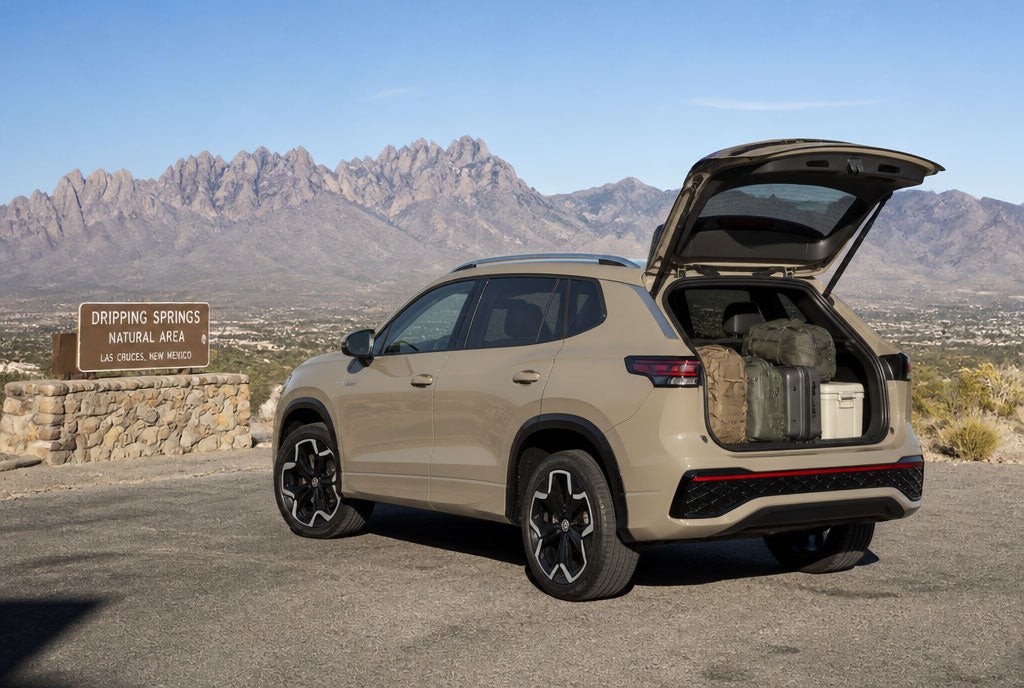
2027 Volkswagen Tiguan packed for a Thanksgiving road trip near Las Cruces, NM, with Organ Mountains in the background

Volkswagen Thanksgiving Road-Trip Checklist for Las Cruces Families

The I-25 run north from Las Cruces to Albuquerque covers 224 miles and climbs more than 1,100 feet in elevation. In November that climb earns your attention, because you leave the Chihuahuan Desert floor in the mid-60s and arrive somewhere noticeably colder, especially if you push through to Santa Fe or beyond. Your Volkswagen SUV is built for this corridor, so the prep work stays simple. Do it now, before the Wednesday crush, and Thanksgiving travels with far less drama. the Volkswagen Atlas What Goes on the Checklist? Everything you need before pulling out of the driveway sits in the four clusters below, and the fair version is that none of it takes long, though skipping it is exactly how a holiday drive goes sideways, so run the whole list the weekend before rather than the night of. Print it, work through it once, and you're done. Vehicle [ ] Tire pressure checked cold (desert mornings read lower than afternoon; Volkswagen lists the correct PSI on the door-jamb sticker, not the tire sidewall) [ ] Tire tread depth confirmed (tires below 2/32 of an inch increase stopping distance sharply in wet or sandy conditions; a penny test takes 30 seconds) [ ] Engine oil level verified [ ] Coolant, brake fluid, and windshield washer fluid topped off [ ] Wiper blades tested (low-angle November sun along I-25 creates strong glare on a dirty windshield) [ ] Headlights, taillights, and brake lights functioning [ ] Fuel tank filled before departure (the stretch between Hatch and Truth or Consequences on I-25 runs roughly 57 miles with limited fuel options) Cargo & Packing [ ] Luggage loaded against the seatback, not stacked loose above seat height [ ] Fragile dishes or casseroles secured in a cooler or a hard-sided bag, not sliding free in the cargo area [ ] One blanket and a light jacket per passenger accessible from the seat (not buried under luggage) [ ] Water bottles per person (the drive can run three hours or more with holiday traffic) [ ] Snacks accessible without the driver digging behind the second row Connectivity & Navigation [ ] Destination entered in navigation before pulling out of the driveway [ ] Phone paired to App-Connect (the Atlas and Tiguan both support wireless Apple CarPlay and Android Auto as standard) [ ] Download any offline maps if you're continuing north past Albuquerque, where cell coverage can thin out [ ] Podcasts, audiobooks, or playlist downloaded for the stretch between Truth or Consequences and Albuquerque, where radio stations drop out Just in Case [ ] Roadside assistance contact saved (Volkswagen Roadside Assistance number in your owner's manual or app) [ ] First-aid kit in the car [ ] Phone charger and a portable battery pack (cold nights can drain a phone faster than expected) [ ] A physical paper map of New Mexico as backup (really) Why These Items Actually Matter on the I-25 Corridor A checklist is easy to ignore when nobody tells you why it exists, so each cluster below ties back to something real about this drive, whether that's the elevation gain, the desert temperature swing, or the thin fuel options north of Hatch. Read the reasons once and the items stick. Tire Pressure Is a Desert-Morning Issue Las Cruces runs about 71 freezing nights per year, according to climate records for the I-25 corridor, and cold air pulls pressure out of a tire overnight. A tire that reads correctly at 2 p.m. on a 65-degree afternoon can read 3 to 4 PSI lower at 6 a.m. on a 28-degree morning. Volkswagen specifies the correct cold inflation pressure on the driver's door-jamb sticker for a solid mechanical reason. Underinflation increases flex in the sidewall, which generates heat, which is the primary mechanical cause of tire failure. Check the tires cold, before you pull out of the driveway. It takes two minutes. Schedule a pre-trip tire and fluids check with our service team and we'll handle the rest. Cargo Packing Changes by Which Volkswagen You Drive Here the Atlas and the Tiguan split apart, and the difference matters the minute a family starts loading up for Thanksgiving. The 2027 Atlas offers 21.2 cubic feet of cargo space behind the third row. Call that enough for a week's worth of luggage for two passengers, though it gets tight once you add the third-row occupants' bags. Fold that row flat and you jump to 55.9 cubic feet, which handles almost any family load. With both rear rows folded, you're at 95.4 cubic feet total, per the specifications of Volkswagen. The practical point for Thanksgiving is blunt. Seven passengers and a full week of luggage will not both fit behind that third row, so pack light or ship the bulky items ahead. The 2027 Tiguan is a five-passenger SUV now, and the third row is simply gone after 2025. It carries 33.8 cubic feet behind the second row. Fold the seats and you get 69.8 cubic feet. For a family of four or five on a two- to three-day trip, that's plenty. The packing advantage of the Tiguan is that it frees you from choosing between a third row and a full cargo area. Browse available Tiguan models Tip: Pack the heaviest bags first, flat against the floor. Coolers and hard-sided bags go in last so they sit on top and don't shift into the back of the third-row seat. The cargo space of the Atlas is 21.2 cubic feet behind the third row; every inch counts. The Hatch-to-Truth-or-Consequences Gap Is Real We're not trying to alarm anyone, but the I-25 stretch between Hatch (exit 41) and Truth or Consequences (exit 79) runs roughly 57 miles with limited services. On a normal Tuesday it's fine. On the Wednesday before Thanksgiving with an extra 40,000 vehicles on New Mexico highways, a fuel stop in Hatch before you get on the interstate is worth the five minutes. The same logic applies to Elephant Butte if you're stopping anyway. Item Why It Matters on This Drive Tire pressure (cold check) Desert morning temps drop fast; low pressure increases sidewall flex and affects handling Tread depth check Wet caliche and sandy shoulders on I-25 exits demand grip Windshield washer fluid Low-angle November sun creates glare; a dirty windshield makes it worse Fuel in Hatch 57-mile gap to Truth or Consequences; holiday volume makes fuel stops slower Cargo under seat height Unsecured items shift on the 1,100-ft elevation-change grade north of Las Cruces App-Connect connected Long radio-dead zones between Hatch and Albuquerque; navigation and audio matter Blanket accessible from seat Temperatures in the car drop after sunset on the return leg; kids get cold faster Schedule a Pre-Trip Service Check Your Print-and-Go Recap Run the whole thing the Saturday before Thanksgiving and the morning-of scramble disappears, though the one piece worth repeating on departure day is the cold tire check, since pressure reads differently after a freezing night. Work the list once and you're set. Saturday before (vehicle): Tire pressure cold. Tread depth. Oil. Coolant. Brake fluid. Washer fluid. Lights and wipers. Full tank. Day before (packing): Bags loaded flat and under seat height. Fragile dishes secured. Blankets and jackets within reach. Water and snacks accessible up front. Navigation entered and phone paired to App-Connect. Morning of: Quick visual on tire sidewalls (any obvious low?). Confirm fuel. Confirm first-aid kit and portable charger are in the car. Book a service visit before you leave town and let our team run through the vehicle side so you can focus on the packing and the people. So that wraps the checklist. Whether it's a short drive or a long one, a Volkswagen Atlas or Tiguan prepped this way handles the I-25 corridor with confidence. Safe travels from the Sisbarro Volkswagen team. We'll see you on the other side of the holiday. Frequently Asked Questions Do I need AWD for a Thanksgiving road trip from Las Cruces to Albuquerque? For most years, no. Las Cruces averages just 2.6 inches of snow per year, and the I-25 corridor between Las Cruces and Albuquerque is well-maintained by the New Mexico Department of Transportation. November conditions in this stretch are typically dry and mild during daylight hours. That said, if you're continuing north past Albuquerque toward Santa Fe or Taos, conditions at higher elevations can change quickly, and available 4MOTION all-wheel drive on the Atlas or Tiguan does add traction on wet or icy grades. For the Las Cruces-to-Albuquerque run specifically, a front-wheel-drive Volkswagen with good tires and correct cold tire pressure is generally sufficient. How much cargo space does the Volkswagen Atlas have for a family Thanksgiving trip? The 2027 Atlas offers 21.2 cubic feet of cargo space behind the third row, which expands to 55.9 cubic feet with the third row folded and 95.4 cubic feet with both rear rows folded flat, per the specifications of Volkswagen. A family of five traveling two to three days with a mix of luggage and a dish or two can usually manage comfortably by folding one third-row seat and keeping the other up. For a full seven-passenger load, plan to pack each person's bag in a soft-sided duffel that fits under or beside the seat rather than stacking above seat height. The Tiguan, now a five-passenger SUV, offers 33.8 cubic feet behind the second row and 69.8 cubic feet with it folded, per the specifications of Volkswagen. Get a Trade-In Estimate While You're Here Sisbarro Volkswagen 1115 S Valley Dr, Las Cruces, NM 88005 (575) 319-9131